

Persistent tooth pain can make everyday activities challenging, affecting your sleep, meals, and concentration. Cavities do more than damage your teeth; they disrupt your daily life and cause ongoing discomfort. Simple actions like chewing, drinking hot or cold beverages, or even speaking can become painful.
A dental filling offers an effective solution by restoring the tooth’s structure and strength. It seals the cavity, reduces sensitivity, and prevents further decay. With proper care, a dental filling not only relieves pain but also allows you to carry on with your routine comfortably, maintaining both oral health and confidence.
Why Tooth Discomfort Shouldn’t Be Ignored
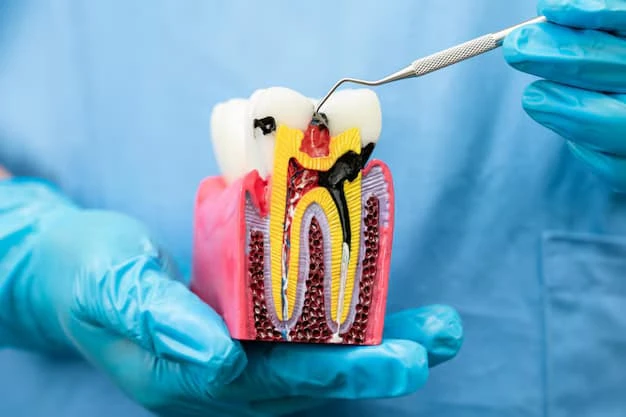
Even a small cavity can start as a minor annoyance but grow into a major problem if untreated. Bacteria slowly erode your enamel and may reach the tooth’s inner layers, triggering sharp pain or sensitivity. Cavities left untreated can lead to infections, abscesses, and sometimes even tooth loss.
Taking action early with a dental filling preserves your natural tooth, prevents complications, and avoids more extensive procedures later.
Cavities aren’t just physical; they impact your daily life. Persistent pain may make it difficult to concentrate at work, enjoy meals, or sleep comfortably. Addressing the problem promptly with a dental filling restores not just your tooth but also your quality of life.
How a Dental Filling Works
A dental filling repairs the damage caused by tooth decay. Once the decayed part is removed, the filling material restores the tooth’s shape and strength. Modern dental materials are designed to match your natural tooth colour, so the filling blends in seamlessly. This allows patients to maintain a confident, natural-looking smile while eliminating pain and sensitivity.
Fillings also protect the tooth from further decay. Once the cavity is sealed, bacteria cannot easily enter, reducing the risk of new cavities in the same spot. This is why timely treatment with a filling is essential to maintain long-term oral health.
Types of Dental Fillings
Different materials serve different needs. Dentists select the type of filling based on the cavity’s size, location, and the patient’s preferences. Common options include:
- Composite Resin Fillings: Tooth-coloured, ideal for visible areas, and blend naturally with surrounding teeth.
- Ceramic or Porcelain Fillings: Durable and resistant to staining, suitable for molars or areas exposed to heavy chewing.
- Glass Ionomer Fillings: Often used in children or for areas less exposed to chewing, releases fluoride to protect the tooth.
Each type of dental filling is designed to restore function while maintaining the tooth’s natural appearance.
What to Expect During Your Dental Filling Appointment
Many patients feel anxious before dental procedures. Understanding what happens can reduce stress. A dental filling typically involves these steps:
- Examination and X-rays: The dentist assesses the cavity and its depth.
- Removal of Decay: Damaged enamel and soft tissue are gently removed.
- Filling Placement: The selected material is carefully applied, shaped, and bonded to the tooth.
- Finishing Touches: The filling is polished and checked for a comfortable bite.
The entire process usually takes one visit, and modern techniques make it quick and pain-free.
Life After a Dental Filling
A dental filling can provide immediate relief. Many patients notice less sensitivity and can return to normal eating habits almost immediately. Chewing, biting, and drinking hot or cold beverages become comfortable again. Fillings also protect teeth from further damage, preserving your natural smile.
Proper care after a filling is essential. Regular brushing and flossing prevent plaque buildup around the filling. Avoiding excessive pressure from biting hard foods prevents chipping or damage. With routine dental check-ups, your filling can last for years, keeping your teeth healthy.
When a Filling Might Not Be Enough
Sometimes decay is deeper than expected. A severe cavity near the tooth nerve may require additional treatment, such as a root canal, even after a dental filling. Dentists evaluate each case carefully to determine the right solution. Acting early with a filling often prevents the need for more invasive procedures, but ongoing monitoring is crucial.
Signs You May Need a Dental Filling
Some warning signs indicate a cavity may require a dental filling:
- Tooth pain when eating or drinking hot, cold, or sweet foods
- Visible holes or pits in the teeth
- Dark spots or stains on the enamel
- Sensitivity when brushing or flossing
If any of these occur, visiting a dentist promptly ensures timely treatment and prevents complications.
Caring for Your Dental Filling
Proper maintenance ensures the longevity of a dental filling:
- Brush twice daily with fluoride toothpaste
- Floss to remove plaque between teeth
- Avoid chewing hard foods like ice or hard candies
- Limit sugary snacks that can cause new cavities
- Attend regular dental check-ups to monitor the filling and overall oral health
These habits keep your teeth strong and your fillings functional for years.
Choosing the Right Dental Clinic
The clinic you choose matters. A professional clinic ensures:
- Accurate diagnosis and assessment of cavities
- Safe, durable filling materials
- Comfortable and precise placement techniques
- Clear guidance on post-treatment care
Selecting a clinic that values both patient comfort and effective treatment ensures your dental filling lasts and your oral health remains intact.
Final Thoughts
Cavities can disrupt more than just your teeth; they affect your daily life. A dental filling offers a quick, reliable solution to restore strength, alleviate pain, and prevent further decay. Early treatment preserves your natural teeth, maintains aesthetics, and improves overall well-being.
With proper care and regular dental visits, a filling can last many years, keeping your smile healthy and your daily life uninterrupted. Don’t let cavities control your routine; take action with a dental filling and enjoy a pain-free, confident smile.










Sign in to leave a comment.