
Trees are more than just aesthetic features in our gardens or public spaces—they provide shade, clean the air, enhance property value, and support local ecosystems. However, like any living organism, trees require proper care and maintenance to thrive. One of the advanced methods of tree care gaining popularity in Australia and worldwide is soil injection. While it may seem like an additional expense, understanding the balance between cost and value can help you decide whether soil injection is a worthwhile investment for your trees.
What is Soil Injection?
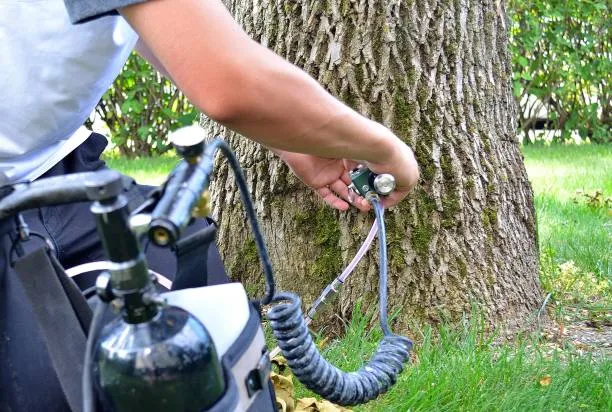
Soil injection is a method of delivering nutrients, water, or other soil amendments directly into the root zone of a tree. Unlike traditional surface fertilization, where nutrients sit on top of the soil and rely on rain or irrigation to reach the roots, soil injection ensures immediate availability to the parts of the tree that need it most.
The technique involves using specialized equipment to inject liquid solutions into the soil, often under pressure, reaching deep root zones without disturbing the surface landscape. Nutrients such as nitrogen, phosphorus, potassium, and trace elements, as well as soil conditioners like humic acid or mycorrhizal fungi, can be delivered through this process.
Why Trees Benefit from Soil Injection
1. Enhanced Nutrient Absorption
Trees rely on their root systems to access nutrients and water. In compacted or poor-quality soils, roots may struggle to absorb enough essential nutrients. Soil injection delivers nutrients directly to the roots, bypassing surface obstacles and ensuring that trees get the exact nutrients they need.
2. Faster Recovery from Stress
Trees exposed to drought, disease, or construction damage may show signs of stress, including leaf drop, reduced growth, or dieback. Soil injection can provide immediate nutrition and hydration to help stressed trees recover more quickly compared to surface fertilization methods.
3. Improved Soil Health
Certain soil injections include amendments that improve soil structure, enhance microbial activity, and increase water retention. Healthier soil not only benefits the tree but also supports the surrounding ecosystem, reducing the need for frequent chemical treatments.
4. Targeted Application Reduces Waste
Surface fertilization often results in nutrient runoff, especially during heavy rain. Soil injection minimizes nutrient loss by targeting the root zone directly, which is both environmentally friendly and cost-efficient in the long term.
The Costs of Soil Injection
While soil injection has clear benefits, it’s essential to understand the associated costs.
1. Professional Service Fees
Soil injection requires specialized equipment and expertise. In Australia, professional arborists or tree care companies typically charge between AUD 50 to AUD 200 per tree for a standard soil injection service, depending on tree size, solution type, and the complexity of access. Larger trees or commercial properties can incur higher costs.
2. Frequency of Treatment
Most trees benefit from soil injection annually, though some may require more frequent treatments depending on soil quality, climate, and tree species. Repeated applications can increase the overall investment, which homeowners and property managers need to consider.
3. Solution and Material Costs
The type of nutrients and amendments used also affects the cost. Standard nutrient mixes are less expensive, while specialty solutions with bio-stimulants or microbial enhancements may cost significantly more.
4. Indirect Costs
Although soil injection is minimally invasive, there may be minor disruption to garden beds or turf during treatment. Additionally, hiring professionals means factoring in scheduling, site preparation, and post-treatment care.
Evaluating the Value: Is it Worth It?
Determining whether soil injection is “worth it” depends on the value you place on tree health, longevity, and overall property aesthetics.
1. Long-Term Tree Health
Healthy trees grow faster, resist disease better, and have stronger root systems. By investing in soil injection, you can potentially avoid costly treatments later, such as pest control, pruning damaged limbs, or tree replacement. In many cases, a healthy tree can increase property value and enhance landscape appeal, offsetting the upfront cost of treatment.
2. Cost Savings on Water and Fertilizer
Targeted delivery of nutrients reduces the need for repeated fertilization or excess irrigation. While soil injection has a higher initial cost, it can lower ongoing maintenance expenses by improving nutrient uptake efficiency.
3. Environmental Benefits
Proper soil health reduces chemical runoff into local waterways and improves overall soil quality. If you manage a commercial property, park, or community space, investing in soil injection contributes to environmental stewardship, which can be a significant value factor beyond monetary gain.
4. Prevention is Cheaper than Cure
Tree diseases and nutrient deficiencies can escalate quickly. Addressing these problems through soil injection early can prevent more severe interventions like tree removal, stump grinding, or major landscaping repairs. In this sense, soil injection is a preventative investment rather than an optional luxury.
When Soil Injection May Not Be Necessary
While soil injection offers numerous benefits, it may not always be required:
- Young, healthy trees in fertile soil – They often absorb nutrients effectively through natural soil processes.
- Low-value ornamental plants – For small decorative trees where cost is a primary concern, traditional fertilization may suffice.
- Temporary or seasonal landscapes – If trees are part of a temporary display or project, investing heavily may not be justified.
Tips for Maximizing Soil Injection Value
- Hire Certified Arborists – Ensure treatments are done by trained professionals to avoid damaging roots or over-applying nutrients.
- Soil Testing – Conduct soil tests before injection to determine nutrient deficiencies and avoid unnecessary treatments.
- Plan for Maintenance – Combine soil injection with mulching, pruning, and irrigation for holistic tree care.
- Monitor Tree Health – Track leaf color, growth patterns, and root health to determine if follow-up treatments are necessary.
Real-World Examples
Many councils and property managers across Australia use soil injection to maintain urban trees, particularly in areas with compacted soils or limited green space. In Melbourne, for instance, soil injection has been shown to revive mature trees suffering from nutrient deficiencies due to construction activity or environmental stress. Commercial properties report enhanced tree health and aesthetics, translating to improved property value and lower long-term maintenance costs.
Conclusion
Soil injection is not a cheap option, but it offers tangible value when it comes to maintaining tree health, longevity, and environmental benefits. For property owners, the decision ultimately comes down to weighing immediate costs against long-term returns. Healthy, well-nourished trees can increase property value, reduce future maintenance expenses, and contribute positively to the environment.
If your goal is to invest in the long-term wellbeing of your trees, soil injection is a cost-effective strategy. By focusing on proper application, using certified professionals, and integrating soil injection into a broader tree care plan, the initial expense becomes an investment that pays dividends in tree vitality, landscape beauty, and ecological benefits.












Sign in to leave a comment.