
The social contract theory, an age-old philosophical concept, posits that individuals willingly surrender certain freedoms in exchange for security and order provided by the state. Regarding crime, this theory becomes particularly relevant as societies grapple with striking a delicate balance between ensuring public safety and upholding individual rights. This blog explores the intricate relationship between crime and the social contract, delving into the challenges and considerations in preserving security and personal liberties.
The Essence of the Social Contract
The social contract theory proposes that in a state of nature, individuals surrender some of their autonomy to form a society governed by laws. This agreement ensures that collective security and common welfare are upheld, promoting a stable and harmonious community. People willingly relinquish some of their autonomy and freedoms when they enter a social compact to escape this state of nature and its accompanying uncertainty. Individuals agree to follow rules and laws that govern behaviour and constitute a ruling body. This social contract ensures that communal security and common welfare are upheld, fostering a stable and tranquil neighbourhood where people can live harmoniously. The social compact lays the groundwork for creating a civil society where the government is empowered to uphold order and enforce the law. Individuals receive security and protection in exchange, and their rights and interests are protected. The foundation of contemporary governance is this mutual understanding between the people and the government.
Ensuring Public Safety
The state is a protector, with law enforcement tasked to maintain public safety by preventing and addressing criminal activities. This collective security is vital for citizens to pursue their lives without fear of harm or unlawful interference.
Upholding Individual Rights
Despite the social contract, individuals retain fundamental rights and freedoms that the state must respect. Protecting individual liberties is crucial to prevent power abuses and maintain a just and equitable society.
The Dilemma: Security vs. Rights
Balancing security and individual rights can pose a significant challenge. Rigid law enforcement measures might infringe on personal liberties, while excessive focus on individual freedoms might compromise public safety.
Fair and Just Law Enforcement
Combating crime must be rooted in fairness, transparency, and accountability. Upholding the social contract requires law enforcement to respect due process and protect innocent individuals from arbitrary actions.
Empowering Communities
Strengthening communities through social programs and education can address the root causes of crime, minimizing the need for overly intrusive law enforcement measures.
Conclusion
The relationship between crime and the social contract demands a delicate balance between security and individual rights. Upholding the essence of the social contract demands that societies prioritize collective safety while safeguarding fundamental liberties. By employing just and equitable law enforcement measures and empowering communities, we can navigate the complexities of crime and the social contract, ultimately fostering a safer and more harmonious society.
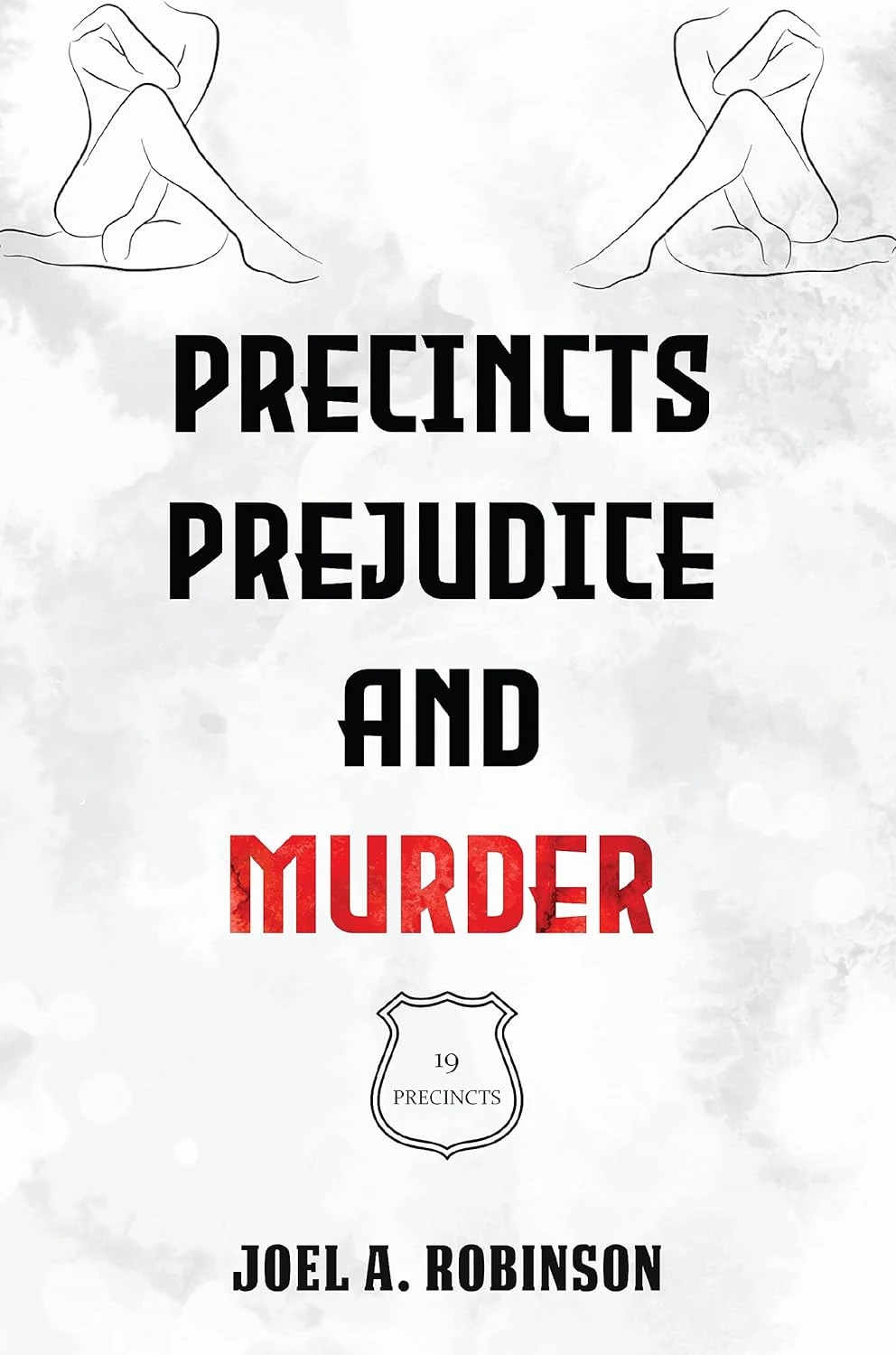
Dive into the gripping world of "Precincts, Prejudice and Murder" by Joel A. Robinson. Unravel a thrilling crime fiction that delves into Crime and the Social Contract: Balancing Security and Individual Rights. Explore the complexities of justice and order in a captivating tale. Get your copy now by clicking this link https://amz.run/6vRS!







Sign in to leave a comment.