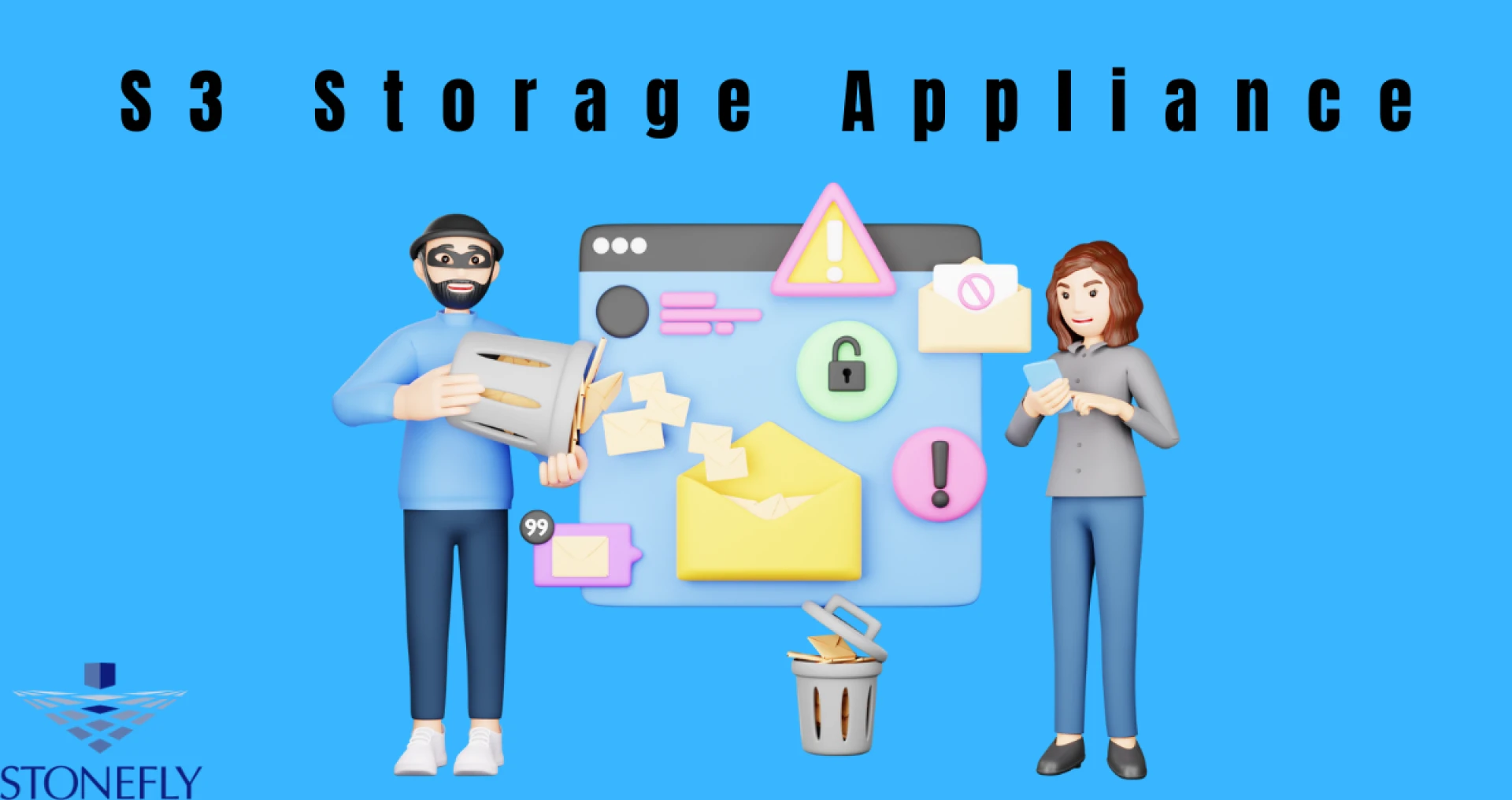

Cyber Resilience Frameworks: Where S3 Storage Appliance Fit In
Cyber resilience is all about preparing for, managing, and bouncing back from cyberattacks or disruptions. With the rise in cyber threats, organizations have realized they need solid strategies to keep their data safe and accessible at all times. This is where cyber resilience frameworks come in—they’re structured plans to ensure businesses can handle today’s growing cyber risks. One big piece of this puzzle is effective data storage, and S3 Storage Appliance play a key role in supporting these frameworks.
But before we understand how these appliances fit into the system, let's take a closer look at what cyber resilience frameworks really mean.
What Are Cyber Resilience Frameworks?
Cyber resilience frameworks are plans or guidelines organizations use to protect their critical systems from cyberattacks, minimize downtime, and recover quickly. Think of it as building a safety net for your data and operations. These frameworks include processes, technologies, and policies designed to:
- Prepare for Attacks - Ensure systems are strong enough to resist attacks.
- Respond to Incidents - Quickly detect and mitigate any threats.
- Recover Operations - Restore normal operations with as little damage and delay as possible.
A good cyber resilience framework looks at different aspects of business operations, including people, processes, and technology. By combining all three, companies ensure they’re not just relying on one tool or strategy to stay safe—they’ve got a well-rounded defense system.
The Role of Data in Cyber Resilience
Data is a core asset for every modern organization. Financial records, customer details, intellectual property—these are just a few examples of critical information that businesses depend on. Protecting this data ensures smooth operations and safeguards trust between companies and their customers.
Unfortunately, cybercriminals target data because of its value. Ransomware, for instance, locks important files until a ransom is paid, while other attacks might aim to wipe data, causing significant business disruptions. That’s why storing data securely and having reliable backups is a critical part of any cyber resilience framework.
This is where S3 storage appliances fit in. They provide a dependable, scalable, and efficient way to store data and support businesses when dealing with cyber threats.
What Are S3 Storage Appliances?
S3 storage appliances are solutions that allow businesses to store large volumes of data in a highly durable and scalable way. They follow the S3 protocol, a set of standards for storing and retrieving data efficiently. These appliances come in physical hardware form or software-defined systems, allowing businesses to choose how they manage their storage needs.
Key features of S3 storage appliances include:
- Scalability – They can manage vast amounts of data, making them suitable for businesses of all sizes.
- Durability – Data is stored in a way that ensures it’s not easily lost or corrupted.
- Cost-Efficiency – Businesses can store data at a lower cost compared to other traditional methods.
- Accessibility – Provides easy and rapid access to stored data when needed.
These features make S3 appliances a highly reliable choice for data storage, backing up critical information, and supporting broader resilience efforts.
Where S3 Storage Appliances Fit in Cyber Resilience Frameworks
To understand the importance of S3 storage appliances, it’s helpful to break down their contributions into specific areas of a cyber resilience framework.
1. Data Backup and Redundancy
One of the core principles of cyber resilience is having reliable backups. If your primary data is compromised during an attack, you need secure copies to restore operations. S3 storage appliances allow organizations to create backups that are stored separately from the primary systems. Some appliances even enable immutable backups—data that cannot be modified or deleted—providing additional protection against ransomware.
Example Use Case: Imagine a healthcare provider storing patient records. If a cyberattack disrupts their main database, they can recover operations quickly using the backup copies stored on S3 appliances.
2. Scalable Data Archiving
Over time, organizations collect massive amounts of data. Not all of it is accessed regularly, but it must still be securely stored. S3 storage appliances provide scalable storage solutions, so businesses can safely archive old data without worrying about running out of space or compromising on performance.
Example Use Case: A financial institution may need to retain data for compliance purposes. With an S3 storage appliance, they can archive historical transactions securely and access them when required.
3. Disaster Recovery
Disaster recovery is about quickly restoring systems after disruptions like cyberattacks or natural disasters. S3 storage appliances support recovery plans by ensuring data is safe and accessible from different locations. For example, replicating data across multiple sites ensures that even if one facility is compromised, operations can continue elsewhere.
4. Security Capabilities
Modern S3 storage appliances come with built-in security features like encryption, user authentication, and access controls. These tools allow businesses to lock down their data, restricting access only to authorized personnel. Encrypting Data not only protects it from unauthorized access but also ensures compliance with legal and industry standards.
5. Seamless Data Restoration
During an attack, response teams need to restore data swiftly to keep operations running. S3 appliances enable quick data retrieval thanks to their efficient design. They can also handle simultaneous requests smoothly, ensuring employees can access the data they need without delay.
Advantages of Using S3 Storage Appliances for Cyber Resilience
Utilizing S3 storage appliances offers several advantages for organizations aiming to enhance their cyber resilience:
- Faster Recovery Times – Minimize downtime by restoring critical data quickly.
- Lower Costs – Reduce the expense of managing and scaling data storage.
- Flexibility – Integration with existing systems allows businesses to expand storage as they grow.
- Improved Risk Management – Strong security features reduce the chances of breaches.
- Compliance Support – Meet legal requirements for data storage and protection.
Conclusion
Cyber resilience is not about avoiding all attacks—it’s about how prepared you are to handle them and recover quickly. By integrating S3 storage appliances into their frameworks, businesses can ensure their data stays secure, backed up, and accessible under any circumstances. These appliances are more than just storage—they’re an essential tool in protecting business continuity.
Planning and implementing a strong cyber resilience framework isn’t an option anymore; it’s a necessity in today’s threat-filled landscape. And for any organization serious about safeguarding its data, S3 storage appliances are a smart investment.
FAQs
1. What is a cyber resilience framework?
A cyber resilience framework is a roadmap that helps organizations prepare for, respond to, and recover from cyberattacks or disruptions. It includes processes, policies, and technologies to protect critical systems and data.
2. How do S3 storage appliances support cyber resilience?
S3 storage appliances provide scalable, secure, and durable data storage solutions. They ensure backups are safe, support disaster recovery efforts, and allow for quick restoration of data.
3. What makes S3 storage appliances durable?
S3 appliances use advanced data replication, redundancy, and integrity checks to minimize the risk of data loss or corruption.
4. What is immutable storage, and how does it help?
Immutable storage ensures that data cannot be altered or deleted, even by administrators. This feature protects against ransomware, as attackers can’t modify or erase the backups.
5. Can S3 appliances help with compliance?
Yes, S3 appliances include encryption and access controls to meet legal and industry standards for protecting sensitive data, making them ideal for compliance needs.









Sign in to leave a comment.