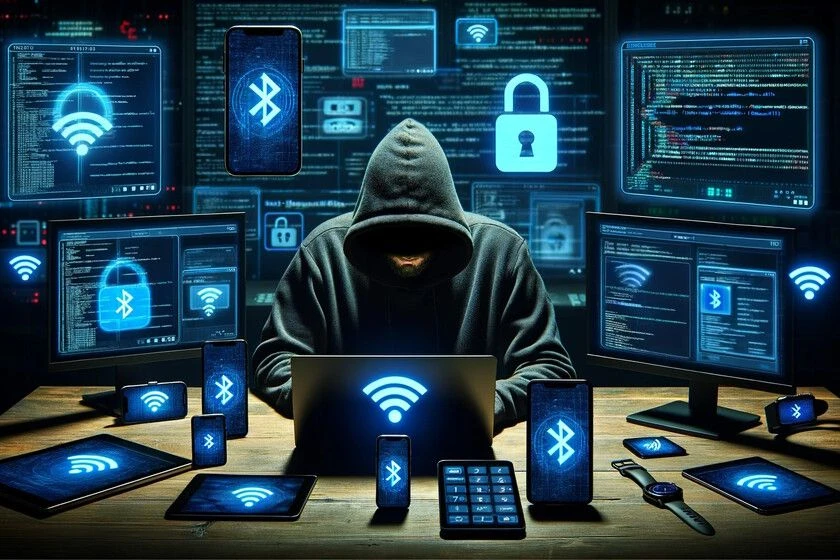

Cyberattacks are growing more frequent and sophisticated. Staying informed about the latest tactics used by malicious actors is the first step toward building a strong defense. As we look ahead, several key trends are shaping the cybersecurity landscape, from AI-powered threats to the exploitation of remote work vulnerabilities.
This post will explore the emerging cyberattack trends that businesses and individuals should be aware of. Understanding these developments will help you anticipate threats, strengthen your security measures, and protect your sensitive data from falling into the wrong hands.
The Rise of AI-Powered Attacks
Artificial intelligence is no longer just a tool for cybersecurity professionals; it's also being weaponized by attackers. AI can be used to create highly convincing phishing emails, automate the process of finding system vulnerabilities, and even generate malware that can adapt to evade detection.
Deepfakes and Social Engineering
One of the most concerning applications of AI is in social engineering. Attackers are using deepfake technology to create realistic audio and video that impersonates trusted individuals, like a company's CEO or a family member. These deepfakes can be used to authorize fraudulent financial transactions or trick employees into revealing confidential information. A well-executed AI-driven phishing attack can bypass traditional security training because it seems so genuine.
Automated Vulnerability Exploitation
AI algorithms can scan networks and systems for vulnerabilities much faster than a human could. Once a weakness is identified, the AI can automatically deploy an exploit. This automation significantly shortens the time between the discovery of a vulnerability and an actual cyberattack, leaving security teams with a smaller window to react and patch their systems.
The Growing Threat of Phishing Attacks
Phishing remains one of the most common and effective methods for cybercriminals. These attacks are evolving, becoming more personalized and harder to spot. Instead of generic, mass-emailed scams, attackers are now using targeted techniques.
Spear Phishing and Whaling
Spear phishing targets specific individuals or organizations with customized messages. Attackers often gather information from social media or other public sources to make their emails appear legitimate. A more specific form of this is "whaling," which targets high-profile executives or senior managers. Since these individuals have access to more sensitive data and greater authority, a successful whaling attack can cause significant damage.
Smishing and Vishing
Phishing is no longer confined to email. "Smishing" (SMS phishing) uses text messages, while "vishing" (voice phishing) uses phone calls. These attacks often create a sense of urgency, prompting the victim to click a malicious link or provide personal information over the phone. For example, a smishing message might claim there is an issue with your bank account and provide a link to a fake login page designed to steal your credentials.
Exploiting Remote Work Infrastructure
The widespread shift to remote and hybrid work models has expanded the attack surface for many organizations. Employees connecting from various locations on different networks create new security challenges. Cybercriminals are actively exploiting these new weak points.
Insecure Home Networks
Many home Wi-Fi networks lack the robust security measures of a corporate office. Attackers can target these less secure networks to gain access to company devices and data. If an employee's home router is compromised, a hacker could potentially intercept all traffic passing through it, including work-related communications.
Increased Reliance on Cloud Services
With remote work comes a greater reliance on cloud-based applications and services. If these services are not configured correctly or if employees use weak passwords, they can become easy targets for a cyberattack. Misconfigured cloud storage, for example, can expose vast amounts of sensitive company data to the public internet.
The Surge in Ransomware Demands
Ransomware attacks, where criminals encrypt an organization's data and demand a fee for its release, are becoming more aggressive. The ransoms demanded are increasing, and attackers are adding new pressure tactics to force payment. This double-extortion method involves not only holding data hostage but also threatening to leak it publicly if the ransom is not paid. This puts additional pressure on businesses, as a data leak could lead to reputational damage and regulatory fines.
What's Next for Cybersecurity?
Staying ahead of cybercriminals requires a proactive and multi-layered approach to security. As cyberattack trends evolve, so must our defenses. Organizations should invest in regular security awareness training for employees, focusing on how to spot sophisticated phishing attack attempts. Implementing multi-factor authentication (MFA) adds a critical layer of security that can prevent unauthorized access even if passwords are stolen.
Furthermore, conducting regular security audits and penetration testing can help identify and fix vulnerabilities before they can be exploited. As you prepare for the coming year, make cybersecurity a top priority. A strong defense is your best offense against the ever-changing landscape of digital threats.










Sign in to leave a comment.