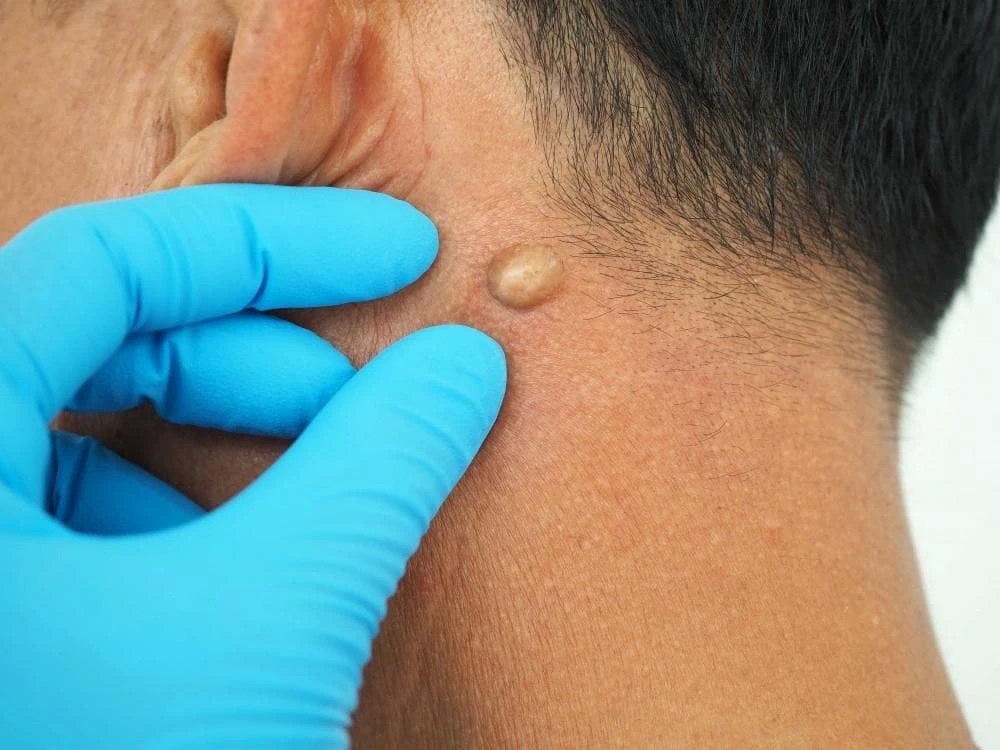

Cysts are common skin concerns that can appear anywhere on the body. While many are harmless, they can cause discomfort, irritation, or cosmetic concerns that lead individuals to seek treatment. With growing interest in cyst removal Solihull, people are increasingly searching for safe and effective solutions to address these unwanted skin lumps. This comprehensive guide explores the different types of cysts, the reasons they form, and the treatment methods available to help individuals make an informed decision.
Understanding What Cysts Are
Definition of a Cyst
A cyst is a closed sac filled with fluid, keratin, or other material that develops beneath the skin. These sacs form when cells multiply abnormally or become trapped below the surface. Most cysts are benign and slow growing, but they may still require professional removal.
Why Cysts Develop
Cysts can form for a variety of reasons, including blocked pores, damaged hair follicles, skin trauma, or underlying skin conditions. Hormonal changes and infections may also play a role in their development.
When Cysts Become a Concern
While many cysts are harmless, people often consider cyst removal Solihull when cysts become painful, enlarged, infected, or visible enough to affect confidence. Removal is also sought to prevent future complications.
Common Types of Cysts
Epidermoid Cysts
Epidermoid cysts are among the most common types found on the skin. They are usually small, slow growing, and filled with keratin. They often appear on the face, neck, or trunk and may resemble a small, firm bump under the skin.
Sebaceous Cysts
Sebaceous cysts form when a sebaceous gland becomes blocked. These cysts may produce a foul smelling substance and sometimes become inflamed. They are commonly found on the scalp, back, or face.
Pilar Cysts
Pilar cysts typically appear on the scalp. They form from hair follicles and are often smooth and filled with keratin. They tend to run in families and may appear in clusters.
Ganglion Cysts
Ganglion cysts are usually found near joints or tendons, such as the wrist or hand. They are filled with a jelly like fluid and may fluctuate in size depending on activity.
Chalazions
Chalazions develop on the eyelids when oil glands become blocked. They can cause swelling, tenderness, and irritation around the eye.
Dermoid Cysts
Dermoid cysts are less common and contain tissue such as hair or oil producing glands. They often appear at birth and may need removal if they grow or cause discomfort.
Symptoms and Signs of Cysts
Visible Lump
Most cysts present as a noticeable lump under the skin. The size may vary from a pea sized bump to a larger mass.
Soft or Firm Texture
Some cysts feel soft and pliable while others feel firmer depending on the type and content of the cyst.
Redness and Swelling
If a cyst becomes infected or irritated, the surrounding area may become red, warm, or swollen.
Pain or Discomfort
Cysts are usually painless but can become tender if inflamed or located in an area subject to friction.
Drainage
In some cases, a cyst may leak fluid if it ruptures. This often indicates infection or irritation.
Why People Seek Cyst Removal Solihull
Cosmetic Concerns
For many individuals, visible cysts on the face, neck, or scalp can impact self confidence. Removal enhances appearance and restores comfort.
Discomfort or Pain
Cysts sometimes cause pressure or irritation especially when located in areas where clothing rubs or movement occurs.
Risk of Infection
Cysts that rupture or become inflamed may develop infections, which can lead to more significant issues if untreated.
Preventing Recurrence
Professional removal helps reduce the risk of the cyst returning. This is especially important when the cyst has become a recurring issue.
Impact on Daily Life
Cysts that grow larger may interfere with routine activities or cause discomfort during exercise or sleep.
Diagnosis and Assessment
Initial Examination
During an initial assessment, a practitioner will examine the size, location, and appearance of the cyst to determine its type.
Medical History Review
Understanding a person’s medical history helps identify potential triggers and ensures suitability for cyst removal Solihull.
Further Investigations
In some cases, imaging or sample testing may be recommended to confirm diagnosis or rule out other conditions.
Treatment Methods for Cyst Removal
Minimal Incision Technique
This involves making a tiny incision to drain the cyst and remove the sac. It is commonly used for cysts that are small or moderately sized.
Complete Surgical Excision
This method removes both the cyst and its entire sac to reduce the chance of recurrence. It is often chosen for larger or persistent cysts.
Incision and Drainage
If a cyst is infected, drainage may be required before full removal. Once the infection resolves, the cyst can be safely excised.
Punch Excision
This technique uses a circular device to remove the cyst and surrounding tissue. It is typically used for small epidermoid cysts.
Laser Assisted Removal
In some cases, laser technology may be used to assist with incision or to minimise scarring.
What to Expect During Treatment
Consultation
A consultation helps determine the most appropriate treatment method. It is also an opportunity to ask questions and understand the process.
Procedure Time
Most cyst removal procedures take between fifteen and thirty minutes depending on the complexity.
Pain Management
Local anaesthetic is used to ensure comfort during the procedure. Most individuals experience minimal discomfort.
Aftercare Instructions
Proper aftercare is essential for healing. Instructions may include keeping the area clean, avoiding heavy activity, and monitoring for signs of infection.
Recovery Period
Healing usually takes a few weeks. Stitches, if required, are removed within a set timeframe.
Safety and Potential Risks
Common Side Effects
Mild swelling, redness, or bruising may occur after the procedure. These effects typically resolve quickly.
Risk of Infection
Although uncommon, infection is possible. Proper aftercare helps minimise this risk.
Scarring
A small scar may remain after cyst removal, although techniques are designed to reduce visible marks.
Recurrence
In rare cases, cysts may return if any part of the sac remains. Complete excision minimises this risk.
Choosing Cyst Removal Solihull Services
Importance of Qualified Professionals
Choosing an experienced provider ensures a safe procedure and reduces the likelihood of complications.
Personalised Assessment
A tailored approach ensures the most effective treatment for each type of cyst.
Convenience of Local Treatment
Having treatment in the Solihull area offers easy follow up care and accessibility.
Focus on Minimising Scarring
Professionals use advanced methods to help achieve the best cosmetic outcome.
Living with Cysts and When to Seek Treatment
Monitoring Changes
Cysts that suddenly grow, change in colour, or become painful should be evaluated promptly.
Avoiding Self Removal
Attempting to pop or squeeze a cyst can lead to infection or scarring and should always be avoided.
Early Intervention
Seeking professional advice early can prevent complications and make removal easier.
Long Term Skin Health
Regular skin checks and proper care can help reduce the risk of developing cysts in the future.
Conclusion
Cyst removal Solihull provides individuals with safe and effective solutions for managing various types of cysts. With modern techniques, personalised care, and minimal downtime, removing cysts can restore comfort, confidence, and skin health. For professional guidance and support throughout the treatment process, individuals can rely on AL Aesthetics.










Sign in to leave a comment.