

The present data-driven environment drives businesses to find effective methods to manage extensive datasets. The analytics space experiences rapid adoption of two emerging architectural approaches: data mesh and data lakehouse. Each solution targets the limitations of traditional warehouse systems and lake operations, yet implements different methods of operation. Which design principle is expected to lead analytics into its future state?
An analysis of these evolving concepts follows through a breakdown presenting the advantages and trade-offs between both architectures and their current significance in decentralized data operations.
Understanding the Data Lakehouse
The data lakehouse architectural design unites data lake flexibility with data warehouse structural efficiency and optimal system speed. A typical data lake contains massive unprocessed data in raw form, yet it operates without warehouse transaction and analytical capabilities. The databases specializing in business intelligence struggle with high operational costs and inflexible data models.
The data lakehouse establishes itself as a singular platform enabling the processing of various data storage types. A lakehouse architecture provides organizations with one unified area to keep both structured and unstructured information. The data lake differs from standard data lakes because it enables ACID (Atomicity, Consistency, Isolation, Durability) transaction support for maintaining data consistency across multiple user access points. The Lakehouse architecture operates seamlessly with business intelligence tools and machine learning platforms, making it functional across various analytics implementations. The unified data storage minimizes data replications and streamlines management, so organizations experience reduced operational expenses.
Exploring the Data Mesh
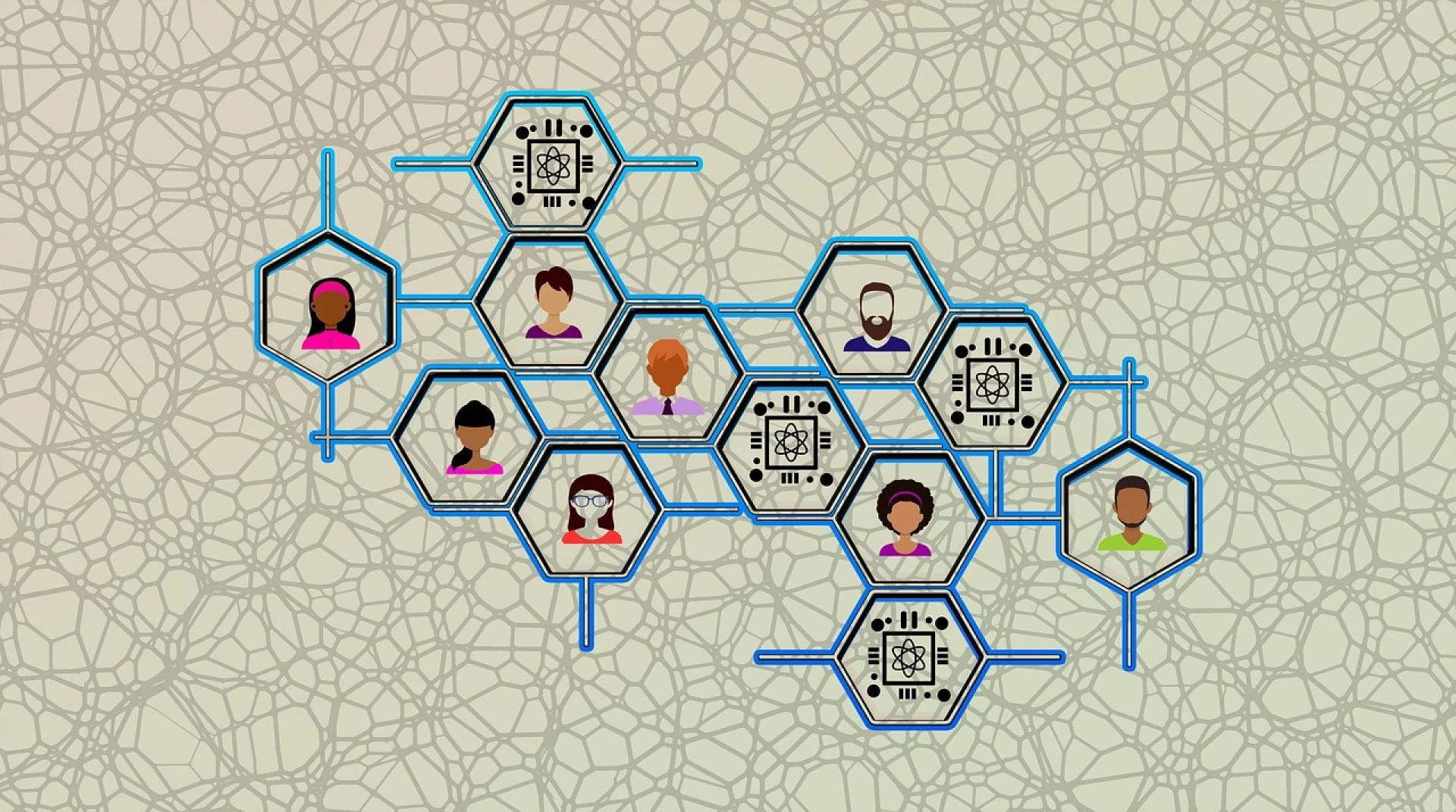
The data mesh exists as an organizational and architectural change rather than an exclusively technological one. Zhamak Dehghani created the data mesh concept, which establishes domain-specific teams as the data owners responsible for decentralized data management.
The core principle of a data mesh contains a requirement that every domain team maintain its data through product-level execution with documentation alongside quality controls and service-level agreement systems. A self-serve infrastructure gives teams all the tools required to construct and handle their data pipelines independently from central data support. Data mesh governance operates through a distributed model of federation that provisions standardized policies to each domain independently. Through the adoption of this architecture, organizations promote product thinking by requiring data to remain accessible while being both discoverable and trustworthy with high maintenance standards.
The primary objective of data mesh is not data itself, but it encourages team empowerment for data management alongside data trust, which facilitates quick and analytical insights with contextual understanding.
Choosing the Right Fit for Your Data Strategy
Organizations need to evaluate their size along with data culture and analytical goals to pick between data mesh and data lakehouse architectures. Similar attributes that draw the attention of mid-range companies and organizations exiting from legacy programming. Organizations gain access to a unified, cost-efficient system handling organized and unorganized data, which produces smooth solutions for analytics alongside machine learning capabilities. Data Mesh serves larger companies having multiple domains because its implementation depends on domain-specific data ownership for organizational scalability and innovative practices.
The roadmap to success in modern data environments includes the study of data architectural paradigms, which can be best learned through a data science course in Chennai with in-depth coverage. These training programs educate students about fundamental concepts of each model design and also cover actual implementation approaches. The pursuit of a data science certification in Chennai creates valuable candidates by showcasing their skills in modern data infrastructure to employers in a competitive job market. Data scientists and engineers become central to building analytics systems of the future because they can effectively evaluate the benefits and challenges between data mesh and data lakehouse.
Which One Powers the Future?
The selection between data mesh and data lakehouse varies based on how mature an organization is and its business goals and workforce dimensions.
Data Lakehouse provides the necessary platform for businesses that need to combine their fragmented data systems under a single analytics system. Many medium-sized businesses choose this solution because it provides affordable ML and analytics tools with compatible features. The storage capability of this solution accommodates diverse forms of data and performs both batch and real-time data processing, which suits fast-moving analytical requirements.
When organizations scale their operations, their data becomes expanded and challenging to handle from a unified hub perspective. The true value of data mesh appears at this point. The distributed data ownership model allows large businesses to increase their analytical capabilities without limiting growth through centralized data management teams. The development represents both cultural and technical improvements that unify data architecture through contemporary DevOps principles.
A combination of these two architectural plans exists without any need for complete replacement. Specific organizations use the Lakehouse storage model together with Mesh principles to unify governance groups with domain-specific ownership. A combination of these two methods provides organizations with maximum benefits.
Relevance in Data Science Education
The understanding of these data infrastructure designs becomes essential for people interested in data professions. Learning data mesh and data lakehouse can improve your employment chances for positions such as data engineer, data analyst, or machine learning specialist.
Attending a data science course in Chennai that focuses on recent data architectures,, such as data mesh and data lakehouse, will enhance your marketability. Educational institutions at present integrate state-of-the-art concepts in their curricula to help students address authentic operational challenges.
Your data science certification in Chennai demonstrates expertise across data modeling, governance, and analytics fields, which helps employers who need help with their data modernization goals select you as a suitable candidate.
Real-World Applications
The following part demonstrates practical implementations of these architectures:
In the retail and e-commerce sector, companies like Shopify and Amazon deal with vast and varied datasets. The data mesh approach enables inventory teams, along with sales and logistics groups, to handle their data independently for improved organizational speed.
Data lakehouses enable healthcare providers to safely handle sensitive data while supporting analytical investigations across medical information for patients and diagnostic evaluations, and research content.
The organizations within the finance sector utilize and benefit from data mesh and data lakehouse structures. The combination of data lakehouses with fraud detection capabilities and real-time analytics enables the same functionality as the Mesh system, which delivers localized data products at regional business operations that follow regulatory requirements.
Final Thoughts
The ongoing scalability of business data operations will extend the competition between data mesh and data lakehouses. The Lakehouse model presents itself as simple yet elegant through technology, whereas Mesh achieves scalability together with organizational flexibility.
Organizations must determine their unique data journey requirements to make the correct choice. People working in technology fields gain access to diverse career opportunities through their understanding of both data mesh and data lakehouse models.
The data science course in Chennai provides students with the necessary training to handle contemporary data architecture systems. These educational programs teach practical skills through real-life tools and valuable case examples that build strong career value. The job market competition will benefit from your data science certification in Chennai, which validates your expertise to help you stand out.














Sign in to leave a comment.