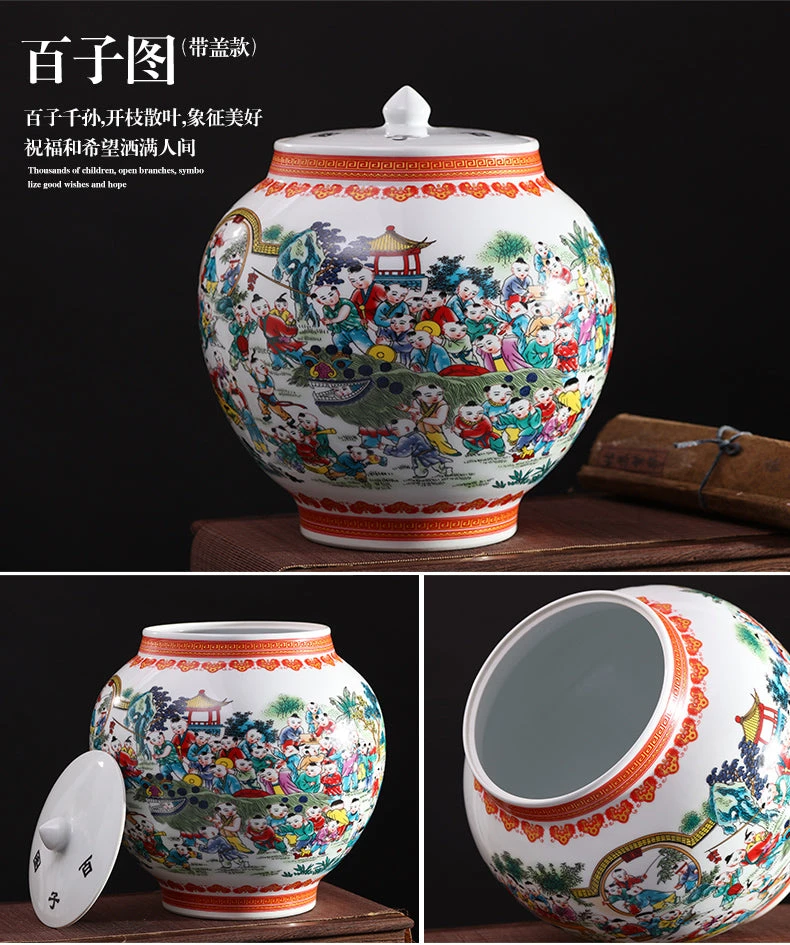

If history and art had a child, it would be ceramics. The handcrafted, diverse, and unique pieces appeal to many and are often kept in homes as prized possessions or décor.
Beautiful as they may be, owning them can be daunting. Ceramics are delicate, easily breakable, difficult to clean, and are a general cause of anxiety, especially with children or pets in the household. However, if ancient ceramic artifacts have survived hundreds of years and are now displayed in museums, then there’s no reason why you can’t keep a few gorgeous ceramic décor items in your home!
Caution: Handle with Care!
Before cleaning or storing, let’s talk about handling these delicate items.
First, take note of any loose or chipped parts, peeling of glaze or paint, or any other vulnerability. Keep them in mind as you proceed. Hold ceramics with clean, dry hands or non-slip gloves to ensure they don’t slip. The U.S National Park Service suggests using latex gloves as oils and moisture from hands may deteriorate the ceramic over time.
Lift each piece separately with a firm grasp from both hands. Some items, such as decorative ceramic plates or vases, may be easier to handle; however, other ceramics may have multiple detachable parts. Lift and clean each part separately to avoid any accidents.
Remember to never hold ceramics using the knobs, handles or any delicate parts of the piece. These areas are super fragile. Instead, hold firmly from both sides where there is more surface area.
Safely Cleaning Your Ceramics
The first step is to dust the ceramics thoroughly. Use a soft artist’s paint brush for smaller, intricate areas, and a lint-free duster for larger areas. In most cases, dusting would be enough to clean a décor ceramic. However, if further cleaning is needed, follow the next steps carefully.
As ceramics are essentially made of clay, water must be used thoughtfully. Low-fired clay and unglazed pieces are still water-soluble and would be better off with thorough dusting only. Ceramics in good condition can be cleaned with lukewarm water. Refrain from scrubbing and only use soft fabrics to avoid scratching the surface. After the initial cleaning, replace the cloth, or it may cause staining or streaking. Some experts also recommend using distilled or deionized water for longevity.
Don’t use a dishwasher for handcrafted ceramic items; the water pressure can be harsh and potentially destructive for the paintwork or print. Additionally, avoid using chemicals such as bleach or other cleaning detergents, as they often wear down the protective glaze and weaken the pottery.
Once cleaned, allow them to air dry or blot gently using a paper towel or lint-free cloth. Using heat to hasten the drying could cause damage.
Maintenance and Storage
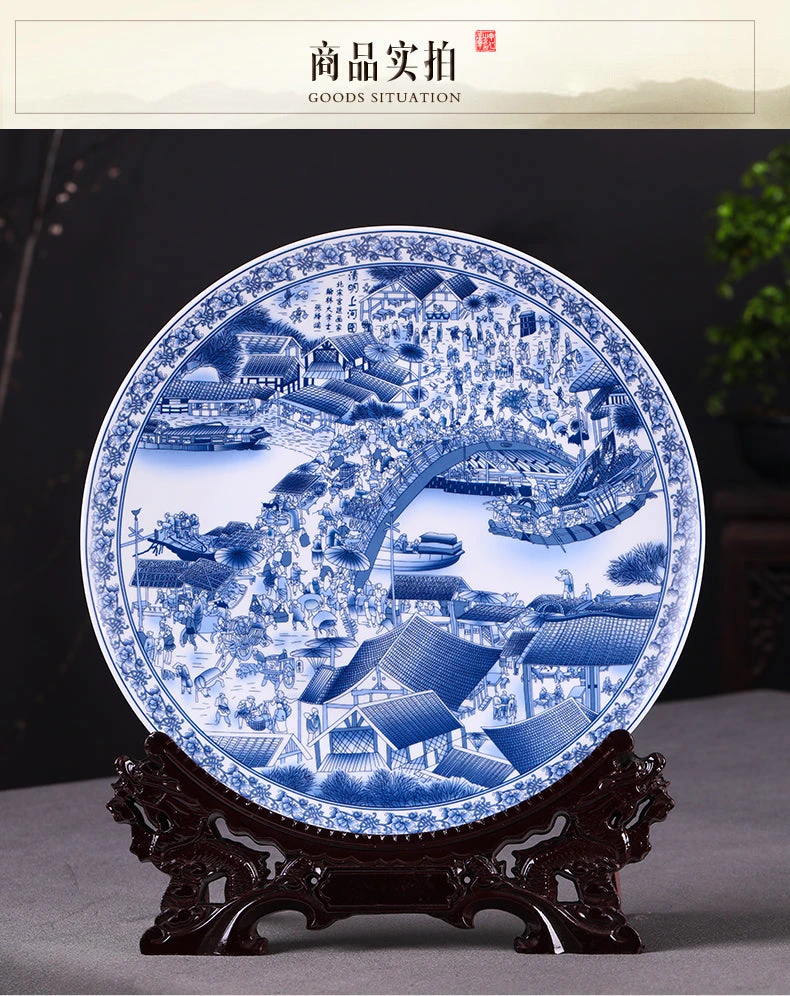
Keeping your ceramics away from heat sources is important. Harsh light may also cause discoloration or fading. Consider a display cupboard to show them off as a safer alternative – this would also prevent dust accumulation. When not on display, the Royal Museum of Worcester recommends individually wrapping each piece in acid-free paper and bubble wrap, then storing it in plastic containers. However, if space is an issue and stacking is required, line each item with foam. Also, decorative ceramic plates for wall art and large display vases should be kept at a safe distance from foot traffic to avoid an accidental knockover.
You’re ready!
You now know all the necessities to start collecting your own home ceramic décor! Cast your worries aside, as buying and handling ceramics has never been easier. Online stores such as GNR Store ship directly to your doorstep without any damage. Whether it's plates, vases or figures, you can get any ceramic décor delivered. You can even buy a ceramic egg!














Sign in to leave a comment.