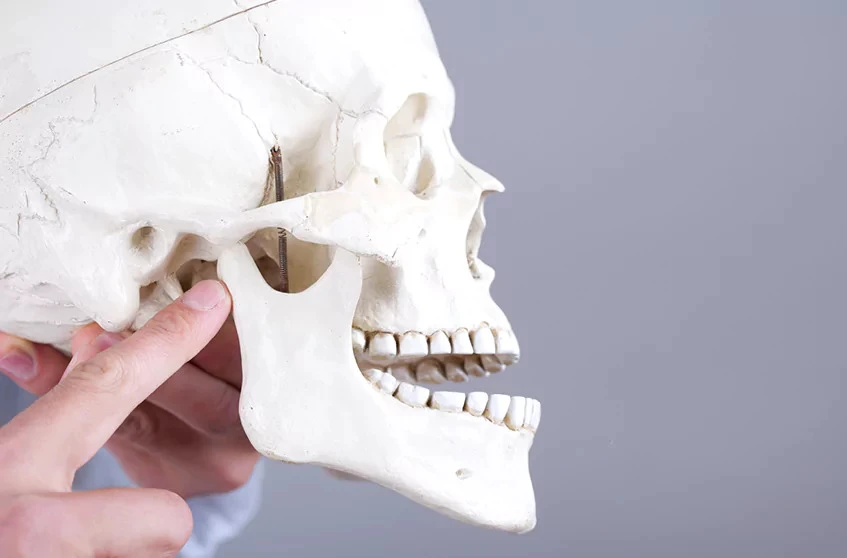

Temporomandibular Joint (TMJ) Disorder is a common condition that affects the jaw joint and surrounding muscles, causing pain, restricted movement, and difficulty in chewing or speaking. For patients suffering from chronic TMJ pain, TMJ Arthroscopy has emerged as one of the most advanced and minimally invasive surgical treatments available today. However, despite its effectiveness, many misconceptions exist about TMJ Arthroscopy, causing hesitation among those who could benefit from the procedure.
In this blog, we’ll separate fact from fiction, address common myths about TMJ Arthroscopy, and provide clear, research-based insights into this revolutionary treatment. If you’re considering TMJ surgery, knowing the truth will help you make an informed decision about your jaw health and overall well-being.
Understanding TMJ Arthroscopy: What Is It?
TMJ Arthroscopy is a minimally invasive surgical procedure used to diagnose and treat Temporomandibular Joint Disorder (TMD). Unlike open-joint surgery, which requires a large incision, arthroscopy involves inserting a tiny camera (arthroscope) through a small incision near the jaw joint. This allows the oral and maxillofacial surgeon to visualize the joint, remove scar tissue, flush out inflammatory fluids, and correct minor structural issues without causing excessive trauma.
This technique has gained popularity due to its quick recovery time, reduced post-operative pain, and high success rates. However, despite its many benefits, TMJ Arthroscopy is surrounded by myths and misinformation, which we’ll debunk below.
Myth #1: TMJ Arthroscopy is a Painful and Risky Procedure
Fact: TMJ Arthroscopy is a minimally invasive and low-risk procedure.
One of the biggest myths surrounding TMJ Arthroscopy is that it is a painful and dangerous surgery. The truth is, compared to open-joint TMJ surgery, arthroscopy is far less invasive, requiring only small incisions instead of large surgical cuts.
Patients undergoing TMJ Arthroscopy are placed under general anesthesia or local anesthesia with sedation, ensuring they feel no pain during the procedure. Post-surgical discomfort is significantly lower than traditional TMJ surgery, and most patients experience mild soreness, which can be managed with medications. The risk of complications is also minimal when performed by an experienced oral and maxillofacial surgeon.
If you’re struggling with chronic TMJ pain, avoiding treatment due to fear of surgery can prolong your discomfort. TMJ Arthroscopy offers a safe and effective solution for long-term relief.
Myth #2: TMJ Arthroscopy is Only for Severe Cases
Fact: TMJ Arthroscopy is beneficial for both moderate and severe TMJ disorders.
Many people believe that TMJ Arthroscopy is only recommended for patients with severe joint damage or arthritis. In reality, arthroscopy can be used for various stages of Temporomandibular Joint Disorder, from mild dysfunction to advanced joint issues.
Some of the conditions treated with TMJ Arthroscopy include:
- Jaw pain and inflammation that does not respond to conservative treatments.
- Clicking or popping sounds in the jaw joint.
- Jaw stiffness and restricted movement.
- Persistent swelling inside the joint capsule.
- Scar tissue formation that limits jaw mobility.
Early intervention with arthroscopy can prevent TMJ disorders from worsening, reducing the need for more complex procedures like open-joint surgery or TMJ replacement surgery.
Myth #3: Recovery from TMJ Arthroscopy is Long and Difficult
Fact: Most patients recover within a few weeks with minimal downtime.
Some people avoid TMJ surgery because they fear a long and painful recovery. The reality is that TMJ Arthroscopy has one of the shortest recovery periods among surgical TMJ treatments.
Since the procedure is minimally invasive, there is less swelling, pain, and tissue damage compared to traditional surgery. Most patients can return to normal activities within 1 to 2 weeks, and full recovery occurs within 4 to 6 weeks.
Post-operative care includes:
- A soft or liquid diet for a few days to reduce jaw strain.
- Prescribed medications to manage pain and inflammation.
- Gentle jaw exercises to restore movement.
- Follow-up visits with the Best TMJ surgeon in india to monitor healing.
With proper care, patients experience significant pain relief and improved jaw function shortly after the procedure.
Myth #4: TMJ Arthroscopy Leaves Large Scars on the Face
Fact: TMJ Arthroscopy involves tiny incisions with virtually no visible scarring.
Unlike open-joint surgery, which requires a large incision near the ear, TMJ Arthroscopy is performed using small keyhole incisions near the jaw joint. These incisions are usually only a few millimeters long, meaning they heal quickly and leave minimal to no visible scars.
This makes arthroscopy an excellent option for patients concerned about aesthetics. Within a few weeks, any small marks left by the procedure fade, leaving no noticeable signs of surgery.
Myth #5: TMJ Arthroscopy is Not as Effective as Open Surgery
Fact: TMJ Arthroscopy has high success rates and is often the preferred treatment.
There is a misconception that minimally invasive procedures like TMJ Arthroscopy are not as effective as open-joint surgery. However, arthroscopy is just as effective—if not better—for many TMJ conditions, especially when performed by an experienced TMJ surgeon.
Studies show that most patients experience significant pain relief and improved jaw mobility after arthroscopy. The procedure allows for direct visualization and treatment of the joint, helping:
- Remove adhesions and scar tissue that limit jaw movement.
- Reduce inflammation and fluid buildup inside the joint.
- Correct minor structural issues without needing major surgery.
For patients with advanced joint damage, open-joint TMJ surgery or TMJ replacement may still be necessary. However, for many TMJ sufferers, arthroscopy is the ideal first-line surgical treatment, offering lasting relief with minimal risks.
Final Thoughts: Should You Consider TMJ Arthroscopy?
If you have been suffering from persistent jaw pain, limited movement, or clicking sounds in your TMJ, TMJ Arthroscopy may be the best solution for you. Despite the myths surrounding this procedure, it remains one of the safest, most effective, and minimally invasive treatments for TMJ Disorders.
At nuFace Maxillofacial & Dental Hospital, Dr. Nehal Patel, a leading oral and maxillofacial surgeon in India, specializes in TMJ Arthroscopy, TMJ replacement, and orthognathic surgery. With extensive experience and a patient-centered approach, he ensures that every individual receives the best TMJ care possible.
Don't let misinformation prevent you from getting relief. If you’re struggling with TMJ Pain, book a consultation with Dr. Nehal Patel today at nuFace Maxillofacial & Dental Hospital and take the first step toward a pain-free, fully functional jaw.
FAQs About TMJ Arthroscopy
1. Is TMJ Arthroscopy safe?
Yes, TMJ Arthroscopy is a safe and minimally invasive procedure with low risks when performed by a qualified TMJ surgeon.
2. How long does it take to recover from TMJ Arthroscopy?
Most patients recover within 4 to 6 weeks, with minimal downtime.
3. Does TMJ Arthroscopy cure TMJ Disorder permanently?
It significantly reduces pain and improves jaw function, but long-term results depend on post-surgical care and lifestyle habits.
Book your consultation today at nuFace Maxillofacial & Dental Hospital.











Sign in to leave a comment.