
Missing teeth can affect more than just your smile. They can impact your confidence, ability to chew properly, and even your long-term oral health. Fortunately, modern dentistry offers reliable solutions to restore both function and aesthetics. One of the most common and effective treatments is a dental bridge.
If you are considering a dental bridge in Peterborough, this guide explains everything you need to know before starting treatment—from how dental bridges work to their benefits, procedure, and aftercare. At Lansdowne Place Dental, patients receive personalized care and modern restorative dentistry solutions designed to rebuild healthy, natural-looking smiles.
What Is a Dental Bridge?
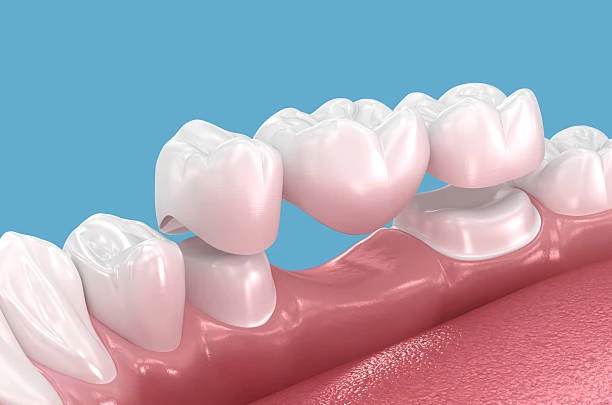
A dental bridge is a fixed dental restoration used to replace one or more missing teeth. As the name suggests, it “bridges” the gap created by missing teeth.
A typical dental bridge consists of:
- Artificial tooth (pontic): The replacement tooth that fills the gap
- Abutment teeth: The natural teeth or dental implants that support the bridge
- Dental crowns: Caps placed on the supporting teeth to hold the bridge securely in place
Dental bridges are custom-made to match the color, shape, and size of your natural teeth, allowing them to blend seamlessly with your smile.
Why Replacing Missing Teeth Is Important
Many people delay treatment for missing teeth, assuming it is only a cosmetic concern. However, missing teeth can lead to several oral health issues, including:
- Shifting of surrounding teeth
- Bite misalignment
- Difficulty chewing food properly
- Increased risk of gum disease
- Bone loss in the jaw
- Changes in facial structure
A dental bridge helps restore balance to your bite while preventing these complications.
Types of Dental Bridges Available
A dentist may recommend different types of dental bridges depending on your oral health condition.
1. Traditional Dental Bridge
This is the most common type and uses crowns placed on adjacent teeth to support the artificial tooth.
2. Cantilever Bridge
Used when there is only one supporting tooth next to the missing tooth gap.
3. Maryland Bonded Bridge
This type uses metal or porcelain wings bonded to the back of nearby teeth instead of crowns.
4. Implant-Supported Bridge
Instead of relying on natural teeth, this bridge is supported by dental implants placed in the jawbone.
At Lansdowne Place Dental in Peterborough, dentists carefully assess each patient’s oral health to recommend the most appropriate treatment option.
The Dental Bridge Procedure
Getting a dental bridge typically requires two or more appointments.
Initial Consultation
Your dentist will examine your teeth, gums, and jawbone. Digital imaging or X-rays may be used to determine the best treatment plan.
Tooth Preparation
If a traditional bridge is recommended, the supporting teeth are reshaped slightly to make room for crowns.
Impressions and Temporary Bridge
Impressions of your teeth are taken to create a custom bridge. A temporary bridge may be placed while the permanent one is being made.
Final Placement
Once your custom dental bridge is ready, it is carefully fitted and cemented in place. Your dentist will check your bite and make adjustments to ensure comfort and proper alignment.
Benefits of Dental Bridges
Dental bridges remain a popular restorative option because they provide several advantages:
- Restore the appearance of your smile
- Improve chewing and speech
- Maintain proper bite alignment
- Prevent surrounding teeth from shifting
- Provide a long-lasting solution for missing teeth
With proper care, many dental bridges can last 10 to 15 years or longer.
How to Care for a Dental Bridge
Maintaining good oral hygiene is essential to keep your dental bridge and surrounding teeth healthy.
Follow these simple care tips:
- Brush your teeth twice daily with fluoride toothpaste
- Floss carefully around the bridge using floss threaders or interdental brushes
- Avoid biting extremely hard foods
- Visit your dentist regularly for professional cleanings and check-ups
Routine dental visits help detect potential issues early and extend the life of your restoration.
Is a Dental Bridge Right for You?
The best tooth replacement option depends on several factors, including the number of missing teeth, the condition of surrounding teeth, and overall oral health.
An experienced dentist will evaluate your needs and discuss options such as dental bridges, implants, or partial dentures to determine the most effective solution.
Restore Your Smile with Lansdowne Place Dental
If you are considering a dental bridge in Peterborough, professional guidance is essential for achieving long-lasting results. At Lansdowne Place Dental, the dental team focuses on patient-centered care, advanced treatment techniques, and customized restorative solutions.
From consultation to final restoration, patients receive comprehensive support designed to restore function, comfort, and confidence in their smiles.
Booking a consultation with an experienced dentist is the first step toward replacing missing teeth and protecting your long-term oral health.











Sign in to leave a comment.