
Missing teeth can affect more than just your appearance. They can impact your confidence, speech, ability to chew, and even your overall oral health. Fortunately, dental implant treatment offers a modern, long-lasting solution that looks, feels, and functions like natural teeth. In this comprehensive guide, we’ll explore the cost, step-by-step process, and long-term benefits of dental implants so you can make an informed decision about your smile.
What Is Dental Implant Treatment?
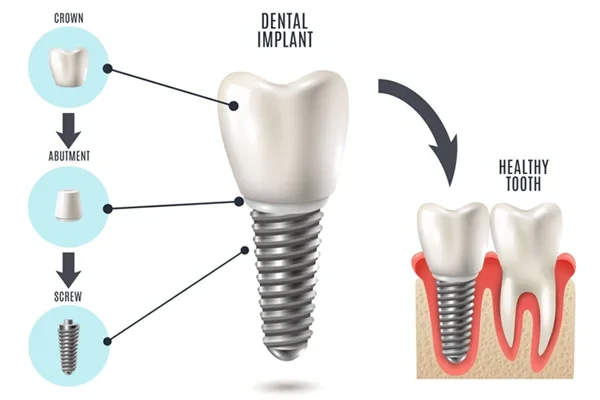
Dental implant treatment is a procedure used to replace missing teeth with artificial tooth roots made of biocompatible materials, typically titanium. These implants are surgically placed into the jawbone, where they integrate with the bone over time. Once healed, a crown, bridge, or denture is attached to the implant to restore function and appearance.
Unlike traditional dentures or bridges, dental implants are fixed in place and do not rely on neighboring teeth for support. This makes them one of the most reliable and durable tooth replacement options available today.
Who Is a Good Candidate for Dental Implants?
Most healthy adults with missing teeth can be candidates for dental implants. However, ideal candidates typically have:
- Healthy gums
- Sufficient jawbone density
- Good overall health
- Commitment to maintaining oral hygiene
If you have bone loss, your dentist may recommend a bone graft before implant placement. A consultation, including X-rays or 3D scans, will determine your eligibility.
The Dental Implant Process: Step-by-Step
Understanding the treatment process can help reduce anxiety and set realistic expectations.
1. Initial Consultation and Evaluation
Your dentist will perform a comprehensive examination, which may include digital X-rays or 3D imaging. A personalized treatment plan is created based on your oral health, bone structure, and goals.
2. Tooth Extraction (If Needed)
If a damaged tooth is still present, it will be removed before the implant procedure. In some cases, the implant can be placed immediately after extraction.
3. Bone Grafting (If Required)
If the jawbone is not thick or strong enough, a bone graft may be needed to provide a stable foundation. Healing from a bone graft can take a few months.
4. Implant Placement Surgery
The dental implant is surgically placed into the jawbone under local anesthesia. Over the next 3–6 months, the implant undergoes a process called osseointegration, where it fuses with the bone.
5. Abutment Placement
Once healing is complete, a small connector piece called an abutment is attached to the implant. This will hold the final restoration.
6. Crown, Bridge, or Denture Placement
Finally, a custom-made dental crown, bridge, or denture is secured onto the abutment, completing your smile restoration.
The entire process may take several months, depending on individual healing and additional procedures required.
How Much Does Dental Implant Treatment Cost?
The cost of dental implant treatment can vary significantly based on several factors, including:
- Number of implants needed
- Type of restoration (single crown, bridge, or full arch)
- Need for additional procedures (bone graft, sinus lift)
- Geographic location
- Dentist’s experience and technology used
Although the upfront cost may seem high compared to dentures or bridges, implants are often more cost-effective in the long run due to their durability and minimal maintenance requirements.
Many dental clinics offer flexible payment plans or financing options to make treatment more affordable.
If you are searching for Dental Implant Treatment in Mysore, choosing the right clinic is crucial for long-term success. At Murthy Dental Clinic, patients receive personalized care, advanced diagnostic technology, and high-quality implant solutions designed for durability and comfort.
Long-Term Benefits of Dental Implants
Dental implants are considered the gold standard for tooth replacement for good reason. Here are the key long-term benefits:
1. Natural Look and Feel
Dental implants are designed to match your natural teeth in color, shape, and size. Once placed, they feel just like real teeth.
2. Improved Chewing and Speech
Unlike removable dentures, implants stay securely in place. This allows you to eat your favorite foods without discomfort and speak clearly without worrying about slipping dentures.
3. Bone Preservation
When a tooth is lost, the jawbone in that area begins to shrink due to lack of stimulation. Dental implants stimulate the bone like natural tooth roots, preventing bone loss and maintaining facial structure.
4. Long-Lasting Solution
With proper care, dental implants can last 20 years or more — often a lifetime. Crowns may need replacement after 10–15 years, but the implant itself is highly durable.
5. Protects Adjacent Teeth
Unlike dental bridges, implants do not require grinding down neighboring healthy teeth. This preserves your natural tooth structure.
6. Boosted Confidence
A complete, healthy smile can significantly improve self-esteem and overall quality of life.
Are There Any Risks?
Dental implant treatment is generally safe and has a high success rate (around 95% or higher). However, like any surgical procedure, there are potential risks, including:
- Infection
- Implant failure
- Nerve damage (rare)
- Sinus complications (for upper jaw implants)
Choosing an experienced dental professional and following proper aftercare instructions greatly reduces these risks.
Caring for Your Dental Implants
Maintaining dental implants is similar to caring for natural teeth:
- Brush twice daily
- Floss daily
- Use antibacterial mouthwash
- Schedule regular dental checkups
- Avoid smoking
Good oral hygiene and routine professional cleanings are essential to ensure the longevity of your implants.
Dental implant treatment is a transformative solution for missing teeth, offering unmatched durability, functionality, and aesthetics. Although the process requires time and financial investment, the long-term benefits often outweigh the costs.
If you’re considering dental implants, schedule a consultation with a qualified dental professional to explore your options. A healthy, confident smile could be just one decision away.
Original Sources : - Dental Implant Treatment: Cost, Process, and Long-Term Benefits











Sign in to leave a comment.