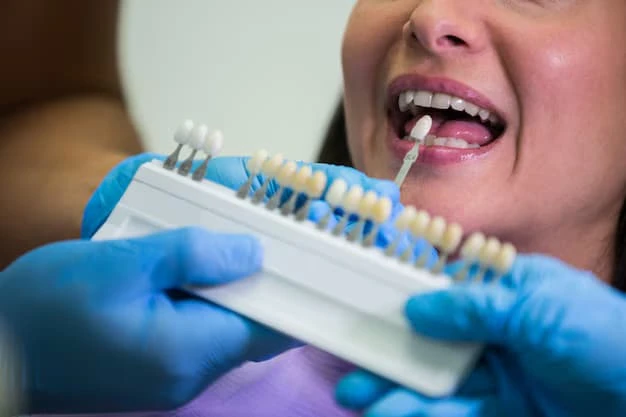

A bright, confident smile plays an essential role in personal and social interactions. Many people seek solutions to address common dental concerns such as gaps between teeth, stubborn stains, and chipped or worn enamel. Dental veneers have gained popularity as an effective cosmetic dental treatment designed to improve the appearance of the teeth by addressing these issues. This article explores whether dental veneers provide a suitable solution for gaps, stains, and chips, detailing how they work, their benefits, considerations, and alternatives.
Understanding Dental Veneers
What Are Dental Veneers?
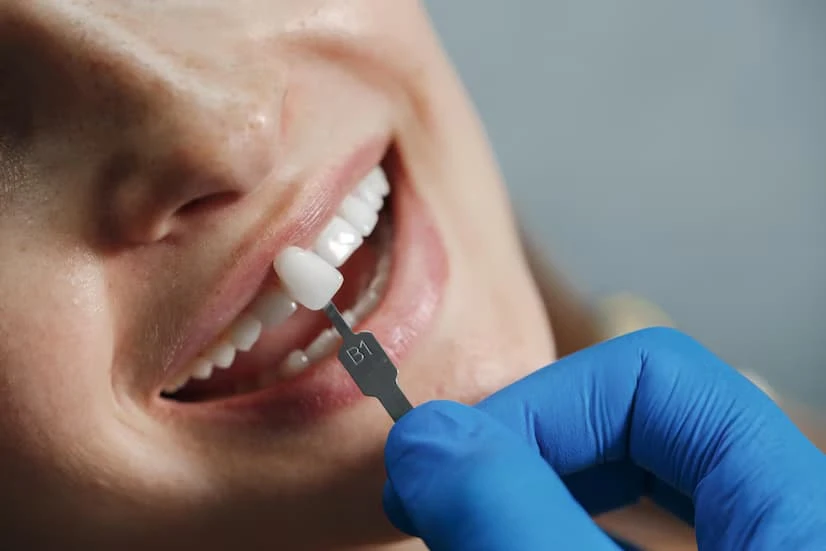
Dental veneers are thin, custom-made shells crafted from porcelain or composite resin that are bonded to the front surfaces of teeth. They are designed to enhance the aesthetics of the smile by altering tooth color, shape, size, or length. Porcelain veneers tend to be more durable and stain-resistant, while composite veneers offer a less expensive option that can usually be completed in fewer visits.
How Dental Veneers Work
The process of getting dental veneers typically involves minimal removal of tooth enamel to create space for the veneers to fit naturally without adding bulk. The veneers are then precisely bonded to the prepared teeth with dental adhesive. This treatment is permanent and intended to provide a natural-looking, long-lasting improvement to the teeth’s appearance.
Addressing Gaps Between Teeth with Dental Veneers
Causes of Gaps
Gaps between teeth, known medically as diastemas, can result from a variety of causes including genetics, thumb sucking during childhood, periodontal disease, or an uneven jawbone structure. Some gaps are small and purely cosmetic, while others may affect bite function or speech.
How Veneers Close Gaps
Dental veneers offer a conservative and aesthetic solution to close small to moderate gaps between teeth. By applying veneers with the right thickness and shape, a dentist can create the illusion of perfectly aligned teeth with no visible gaps. Unlike orthodontic treatments, veneers provide immediate results without the need for braces or aligners.
Considerations for Gap Closure
It is important to evaluate the size and cause of the gap before choosing veneers as a solution. Extremely large gaps or those caused by underlying skeletal issues may require orthodontic treatment first. Additionally, the alignment and bite should be considered to ensure that veneers will function well long term.
Eliminating Stains with Dental Veneers
Common Causes of Stains
Teeth can become stained for many reasons including consumption of coffee, tea, red wine, or tobacco use. Some stains are superficial and respond well to professional whitening, while others are intrinsic, meaning they come from within the tooth structure and cannot be effectively removed by bleaching.
Advantages of Veneers for Stains
For stubborn intrinsic stains, dental veneers provide an excellent cosmetic option. Because they cover the entire visible surface of the tooth, veneers can mask discoloration that does not respond to traditional whitening. They also resist future staining better than natural enamel, maintaining a bright appearance over time.
When Whitening Might Be Enough
Before opting for veneers, patients should discuss with their dentist whether professional whitening treatments might adequately address their staining concerns. Whitening is less invasive and more affordable but may not provide the dramatic or permanent results that veneers can offer for certain types of discoloration.
Repairing Chips and Cracks Using Dental Veneers
Causes and Effects of Chipped Teeth
Chipped or cracked teeth commonly result from trauma, biting hard objects, or general wear and tear. These imperfections can affect not only the appearance but also the sensitivity and integrity of the tooth.
Veneers for Cosmetic Repair
Dental veneers are an effective way to restore chipped or fractured teeth by covering and strengthening the damaged area. Veneers restore the natural shape and smooth surface, making the teeth look whole again. This treatment can also help protect weakened teeth from further damage.
Alternative Treatments for Chips
For minor chips, dental bonding may be recommended as a quicker and more cost-effective solution. For more extensive damage, crowns might be necessary to fully protect the tooth structure. A consultation with a dental professional is essential to determine the best treatment option.
Benefits of Dental Veneers
Natural Appearance
Dental veneers are designed to mimic the translucency and color of natural teeth, providing a highly aesthetic result. They blend seamlessly with surrounding teeth and can be customized to suit individual facial features.
Durability and Longevity
Porcelain veneers are resistant to staining and can last up to 15 years or longer with proper care. Composite veneers may have a shorter lifespan but can still provide durable results. With good oral hygiene and regular dental visits, veneers maintain their appearance and function over time.
Minimally Invasive Procedure
Compared to crowns, veneers require less removal of natural tooth structure, preserving more of the healthy tooth. The procedure is relatively quick and often completed within two or three visits.
Considerations and Limitations
Permanency and Enamel Removal
Since veneers require enamel removal, the process is irreversible. Patients must understand this commitment before proceeding. Additionally, once veneers are placed, they will need to be maintained or replaced eventually.
Cost Factor
Dental veneers can be more expensive than other cosmetic treatments. Cost varies depending on material choice, number of veneers, and geographic location. Insurance typically does not cover purely cosmetic procedures.
Potential Sensitivity
Some patients experience mild tooth sensitivity after enamel removal or veneer placement, which usually subsides within a few weeks. Proper care and avoiding extreme temperatures in food and drinks can help reduce sensitivity.
Who Is a Good Candidate for Dental Veneers?
Health of Teeth and Gums
Candidates should have healthy teeth and gums without untreated decay or active periodontal disease. Good oral health ensures that veneers bond securely and last longer.
Realistic Expectations
Patients with realistic expectations about the results and maintenance required tend to be more satisfied. Veneers improve aesthetics but do not correct severe bite problems or gum issues.
Commitment to Oral Hygiene
Maintaining veneers requires diligent oral care, including regular brushing, flossing, and dental checkups. Avoiding habits like nail biting or chewing hard objects also protects veneers from damage.
Alternatives to Dental Veneers
Orthodontic Treatment
Braces or clear aligners correct alignment and spacing issues more permanently by repositioning teeth rather than covering them. Orthodontics may be recommended when gaps are large or bite problems exist.
Teeth Whitening
Professional whitening addresses surface stains and improves tooth brightness without altering tooth structure. It is less invasive but not effective for all types of discoloration.
Dental Bonding and Crowns
Bonding repairs small chips and cracks quickly and economically. Crowns provide full coverage for severely damaged or decayed teeth, offering strength and durability but requiring more tooth reduction.
Conclusion
Dental veneers have become a highly sought-after solution for people looking to improve their smile by addressing common issues such as gaps, stains, and chips. They offer a natural-looking, durable, and minimally invasive option that can transform teeth and boost confidence. However, veneers are not suitable for everyone and must be carefully considered in terms of candidacy, cost, and maintenance. Consulting with a qualified dental professional is essential to determine whether dental veneers are the best choice or if alternative treatments might be more appropriate. For those ready to explore this cosmetic solution and achieve a stunning smile, many trust the expertise and care provided by Quincy Dentists Family Dentistry.










Sign in to leave a comment.