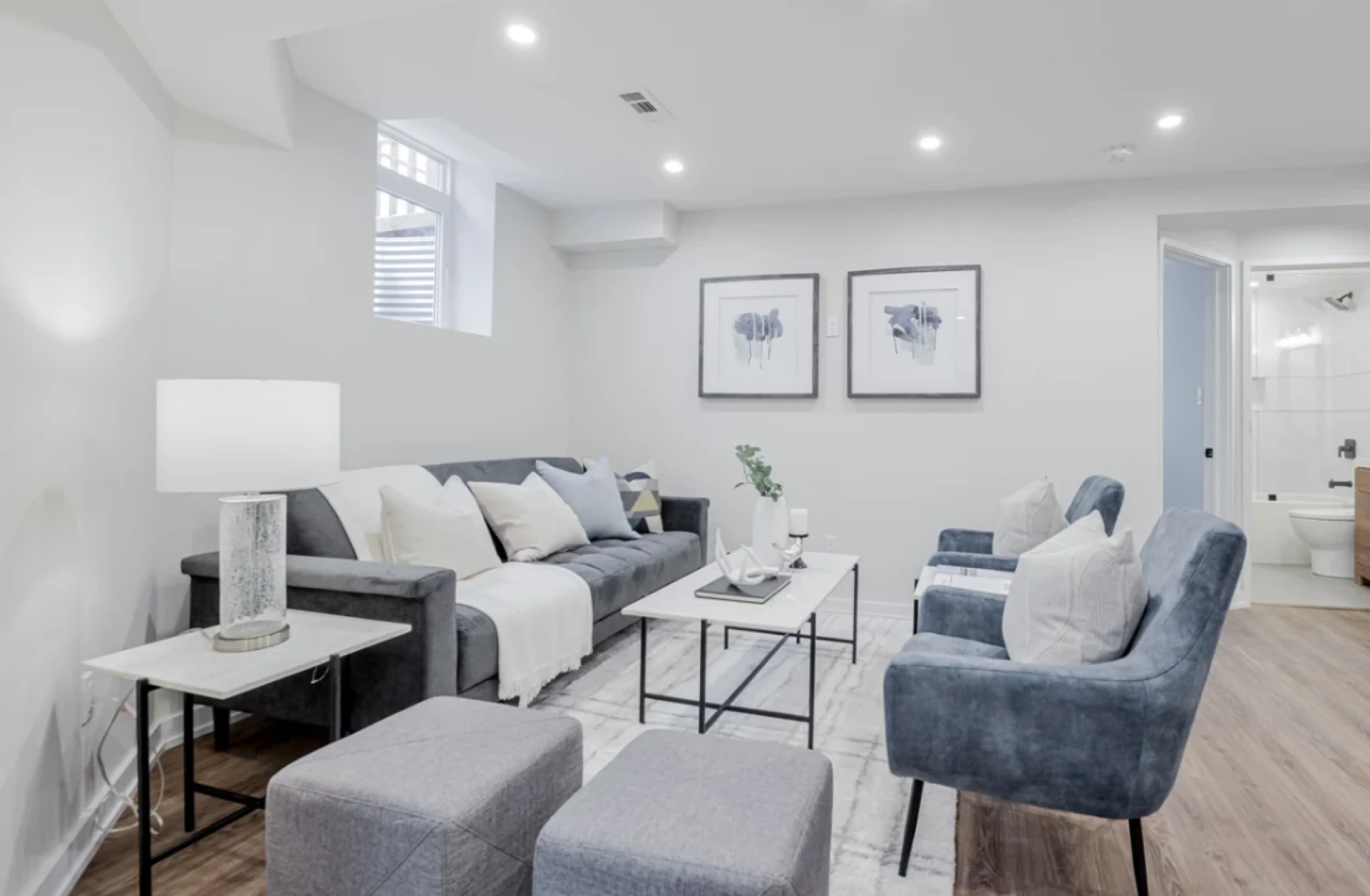

Turning your basement into a legal apartment is one of the smartest investments you can make as a homeowner in the Greater Toronto Area. With rising housing demand and limited rental supply, legal basement apartments are in high demand—and for good reason. They offer a way to generate passive income, accommodate extended family, or increase your property’s overall value.
But creating a legal basement apartment isn’t as simple as putting in a kitchen and calling it a day. Municipal rules, safety codes, and building permits are all part of the process. Whether you're in Toronto, Oshawa, or Clarington, it's crucial to follow proper steps to stay compliant and protect your investment.
If you're considering basement renovations in Toronto or nearby areas, this is your essential starting point.
What Is a Legal Basement Apartment?
A legal basement apartment—sometimes called a secondary suite or accessory dwelling unit—is a self-contained living space located in the basement of a single-family home. It has its own entrance, kitchen, bathroom, and sleeping area, and it must meet all municipal building codes, zoning bylaws, and fire safety regulations to be legally occupied.
The goal is safety, habitability, and legal transparency. You can’t legally rent a basement that doesn’t meet these standards—and doing so can result in fines, eviction orders, or insurance complications.
2. Understanding Legal Requirements in the GTA
Each city or municipality in the GTA has its own rules, but most legal basement apartment requirements include:
· Minimum ceiling height: Typically at least 6’5” for most of the space.
· Fire separation: Fire-rated drywall and proper sealing between units.
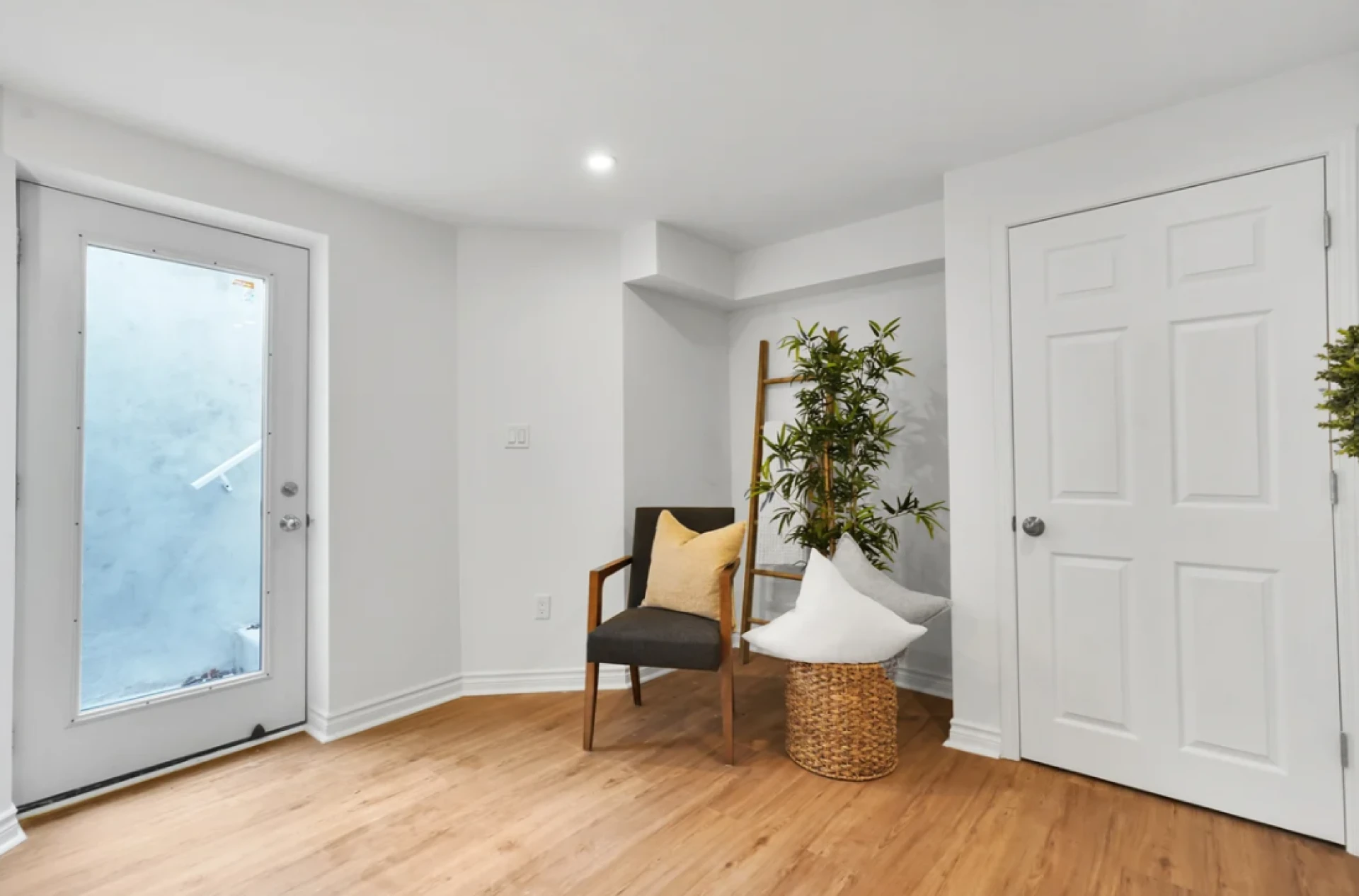
· Means of egress: A separate entrance and/or large windows for emergency exit.
· Soundproofing: To reduce noise between the main house and the apartment.
· Ventilation and HVAC: Separate controls or shared systems with adequate airflow.
· Smoke and carbon monoxide detectors: Interconnected and hardwired.
· Parking: Some municipalities require additional parking space.
A professional familiar with Toronto basement renovations can help you determine whether your existing space meets these requirements—or what changes are needed to make it compliant.
3. Permits and Inspections
Permits are not optional—they're mandatory.
You’ll need a building permit to legally convert your basement. Depending on your location, you may also need zoning approval or a minor variance. Electrical, plumbing, and HVAC work must be done by licensed professionals and inspected by municipal officials.
Before construction begins, a detailed plan must be submitted to the city. This plan will outline the layout, fire safety provisions, and utility arrangements. Some homeowners choose to use a basement renovation cost calculator during this phase to map out their budget and avoid surprises.
4. Smart Design Tips for Legal Suites
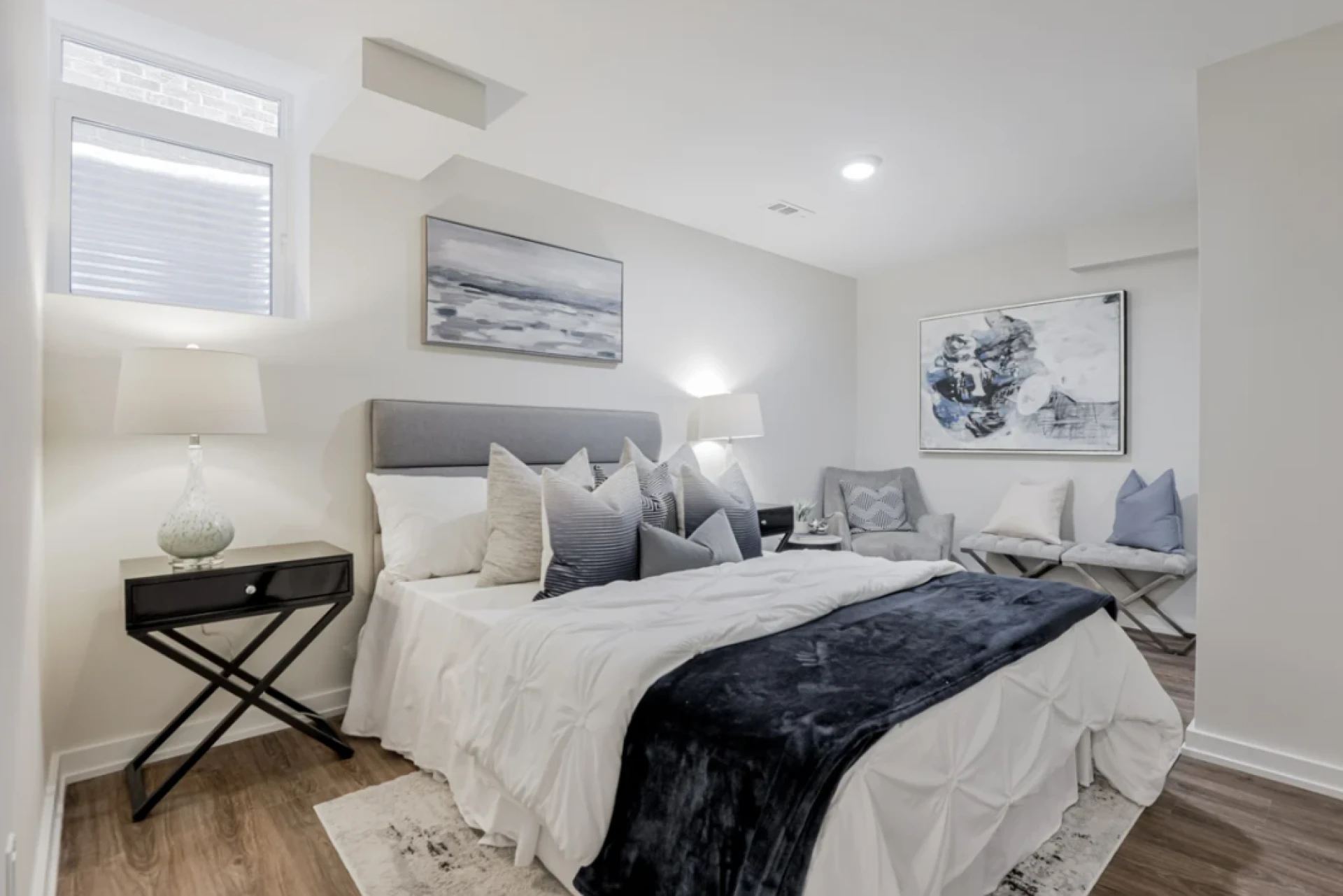
Legal doesn’t have to mean boring. A well-designed basement apartment can feel just as bright, open, and stylish as any above-ground space.
Here’s how to make it both compliant and appealing:
· Maximize ceiling height by relocating bulkheads and choosing low-profile lighting.
· Use light colours on walls and floors to brighten the space.
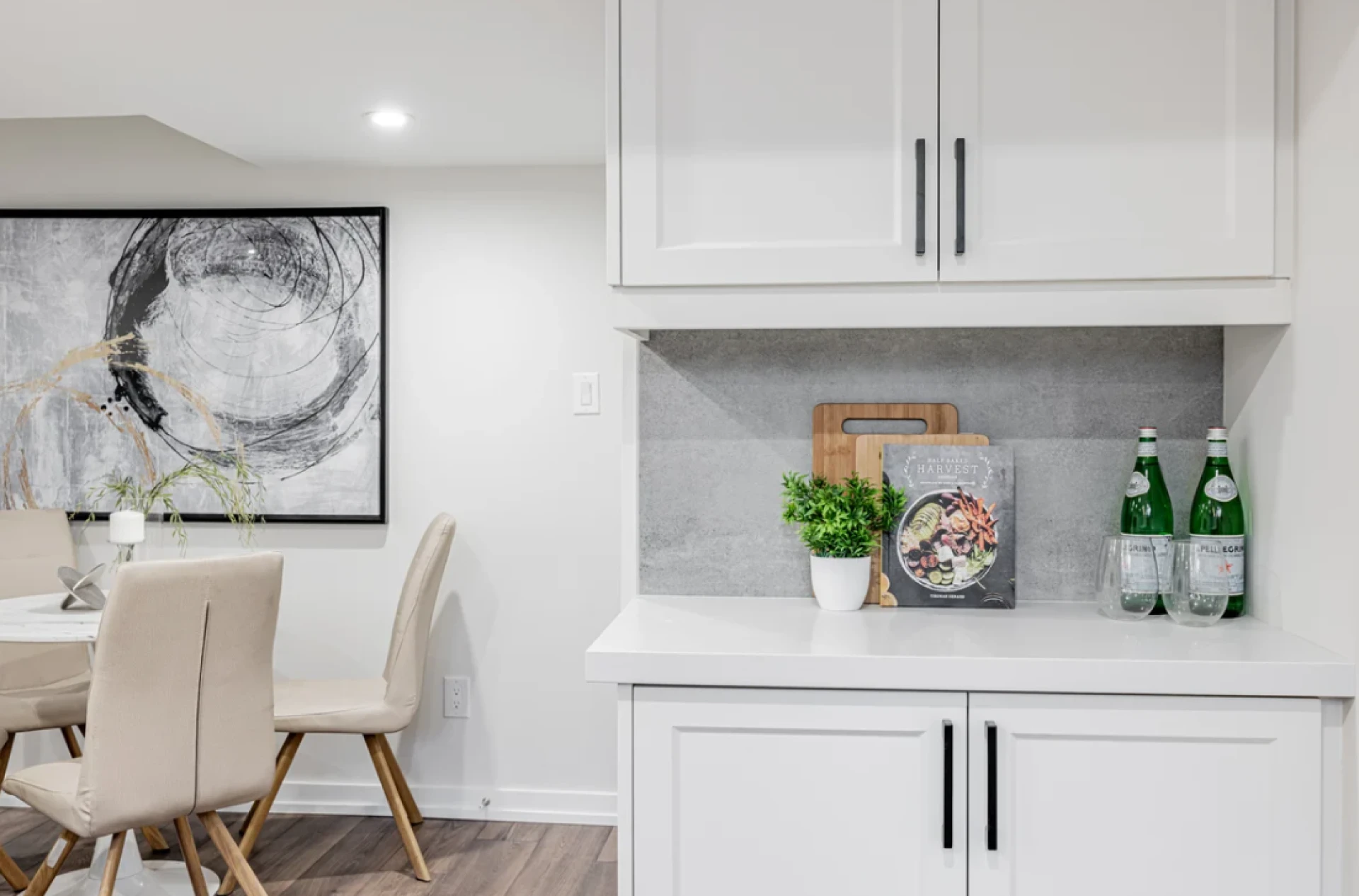
· Opt for an open layout that combines kitchen, dining, and living space for a modern feel.
· Incorporate large egress windows that let in natural light and meet safety codes.
· Consider soundproof flooring and additional insulation for privacy.
These design touches can significantly boost your basement’s marketability and function, turning it from a dark afterthought into a desirable rental unit.
5. Cost Considerations and ROI
The cost to build a legal basement apartment in the GTA typically ranges from $70,000 to $130,000, depending on the space and upgrades. High-end finishes, separate utility meters, and custom kitchens can raise that number.
Still, the return on investment can be substantial. In cities like Toronto or Ajax, rental income from a legal basement apartment can range from $1,200 to $2,000+ per month. That income can help offset mortgage payments or fund future renovations.
To get a rough estimate, tools like a BCR Basements’ basement cost calculator are a great starting point.
If you're a homeowner in Toronto, or the surrounding areas, BCR Basements can help bring your vision of a legal basement apartment to life.
Their team understands the unique challenges of basement renovations in Toronto and has extensive experience building legal basement apartments, basement in-law suites, home theatres, and wet bars that comply with all municipal codes. From initial design and permit applications to the finishing touches, BCR Basements handles everything with precision and care.
Don’t risk costly mistakes or lost rental income—work with the professionals who know how to make it legal and beautiful. Reach out to BCR Basements for a consultation and start your basement renovation in Bowmanville, Pickering, Clarington, Toronto, Ajax, or nearby areas.
About the Author
Liam Chen is a residential renovation specialist with a focus on multi-functional design and income-generating spaces. With a background in construction management, Liam helps homeowners navigate the complex process of legal basement conversions while blending form, function, and compliance for lasting results.














Sign in to leave a comment.