
Diecast cars have fascinated generations of both children and adults, evolving from simple toys into prized collector’s items. These miniature vehicles are crafted with precision, often replicating real cars down to the smallest detail — from body curves and paint shades to tire patterns and interior designs. Whether you are a seasoned collector, a newcomer to the hobby, or simply an automotive enthusiast, the world of diecast cars offers endless possibilities for enjoyment, learning, and even investment.
In this guide, we’ll explore the history of diecast cars, popular scales, leading brands, collecting tips, and how to care for your models so they retain both beauty and value.
The History of Diecast Cars
Diecast cars date back to the early 20th century when manufacturers began using the die-casting method to create small metal toys. This process involves forcing molten metal — usually a zinc alloy — into a mold, resulting in sturdy, detailed models.
- 1930s: The first diecast cars appeared, produced by pioneers like Dinky Toys in the UK and Tootsietoy in the US.
- 1950s–1970s: The golden era saw brands such as Matchbox and Corgi rise in popularity, with more detailed designs and moving parts like opening doors and rolling wheels.
- 1980s–Present: Companies like Hot Wheels, Maisto, and AUTOart began pushing the boundaries of realism with highly detailed, collectible models. Today, some diecast cars are built in limited editions and can be worth hundreds or even thousands of dollars.
Why Diecast Cars Are So Popular
Diecast cars appeal to people for different reasons:
- Nostalgia – Many collectors started with toy cars in childhood and continue collecting for sentimental reasons.
- Craftsmanship – The level of detail in high-quality diecast cars can be astonishing, from tiny gear shifters to realistic brake calipers.
- Affordability – Compared to real cars, even premium diecast models are relatively affordable.
- Variety – From classic muscle cars to futuristic hypercars, there’s something for every automotive taste.
- Investment – Rare models often appreciate in value, making collecting both fun and potentially profitable.
Understanding Diecast Car Scales
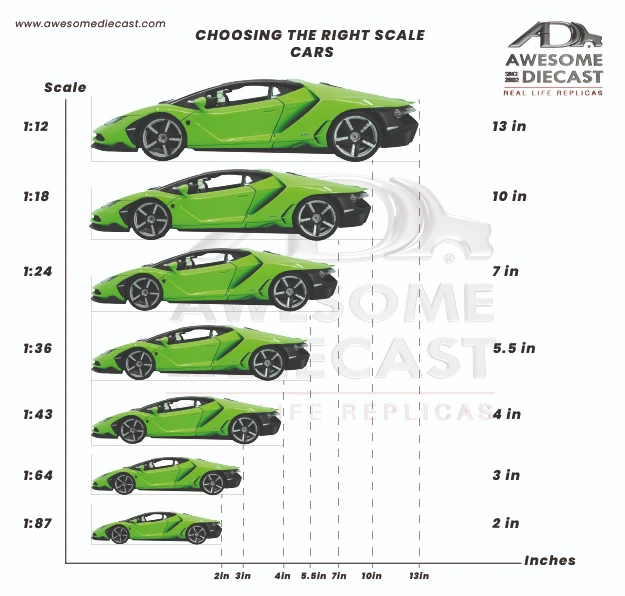
The scale of a diecast car represents the ratio between the model and the actual vehicle. Here are the most common:
- 1:18 Scale – Large models about 10–12 inches long, perfect for displaying fine details.
- 1:24 Scale – Mid-sized models that balance detail and display space.
- 1:43 Scale – A classic collector’s choice, compact yet detailed.
- 1:64 Scale – Popular with casual collectors; brands like Hot Wheels and Matchbox dominate this scale.
When starting your collection, choose a scale you enjoy and stick with it — it creates a more uniform and visually appealing display.
Top Brands in Diecast Cars
Different brands cater to different types of collectors:
- Hot Wheels – Known for creative designs, affordability, and a huge range of models.
- Matchbox – Focuses on realistic designs of everyday and utility vehicles.
- Maisto – Offers affordable large-scale models with good detail.
- AUTOart – Premium, highly accurate replicas for serious collectors.
- Tomica – Japanese brand famous for unique and high-quality small-scale cars.
- Bburago – Affordable models with a good balance of quality and price.
How to Start Collecting Diecast Cars
If you’re new to diecast cars, here’s a step-by-step approach:
- Pick a Theme – You could focus on classic muscle cars, Formula 1 racers, vintage trucks, or even movie cars like the James Bond Aston Martin.
- Choose a Scale – This helps you keep your collection consistent and easier to display.
- Set a Budget – Some collectors focus on affordable models, while others invest in rare, high-end replicas.
- Research Before Buying – Check authenticity, production numbers, and reviews.
- Start Small – Build your collection gradually, learning as you go.
Caring for Your Diecast Cars
Proper care ensures your models look great and hold their value:
- Dust Regularly – Use a soft microfiber cloth or a small brush.
- Avoid Direct Sunlight – UV rays can fade paint and decals.
- Control Humidity – Moisture can cause metal corrosion or damage packaging.
- Display Cases – Acrylic or glass cases protect from dust and accidental damage.
- Keep Packaging – Original boxes increase the resale value.
Identifying Rare and Valuable Diecast Cars
Some diecast cars can be worth a small fortune. Look for:
- Limited Editions – Small production runs make models more desirable.
- Discontinued Models – Once production stops, scarcity increases value.
- Error Models – Manufacturing mistakes like misprinted decals can be collectible.
- Historical Significance – Cars tied to events, movies, or famous drivers.
Example: A rare 1969 Hot Wheels “Volkswagen Beach Bomb” in pink sold for over $100,000 to a collector.
Customizing Diecast Cars
For creative collectors, customizing offers a way to make unique pieces:
- Repainting – Use automotive or hobby paint for a fresh look.
- Wheel Swaps – Change wheels for a different style or stance.
- Detailing – Add decals, weathering, or interior upgrades.
- Conversions – Transform a street car into a race version or create fantasy designs.
The Investment Side of Diecast Cars
While collecting is primarily a hobby, it can also be an investment:
- Track trends in collector communities.
- Buy limited releases or special editions.
- Store models in mint condition with packaging intact.
- Keep documentation or certificates of authenticity.
However, like any collectible market, values can fluctuate, so passion should be your primary motivation.
Where to Find Diecast Cars
- Toy Stores & Hobby Shops – Great for common and affordable models.
- Online Marketplaces – eBay, Amazon, and specialty sites offer rare finds.
- Collector Shows & Swap Meets – Best for networking and finding unique pieces.
- Brand Websites – Many manufacturers sell direct to consumers.
Conclusion
Diecast cars are more than just miniature vehicles — they’re works of art, pieces of history, and gateways into the automotive world. Whether you collect for nostalgia, craftsmanship, or investment, there’s endless joy in building a collection that reflects your passion for cars.
From understanding scales and brands to learning how to care for your models, you now have the knowledge to start or expand your diecast car collection. So, whether it’s a vintage 1960s muscle car or a sleek modern hypercar, there’s a diecast model out there waiting to take a place of honor on your shelf.





Sign in to leave a comment.