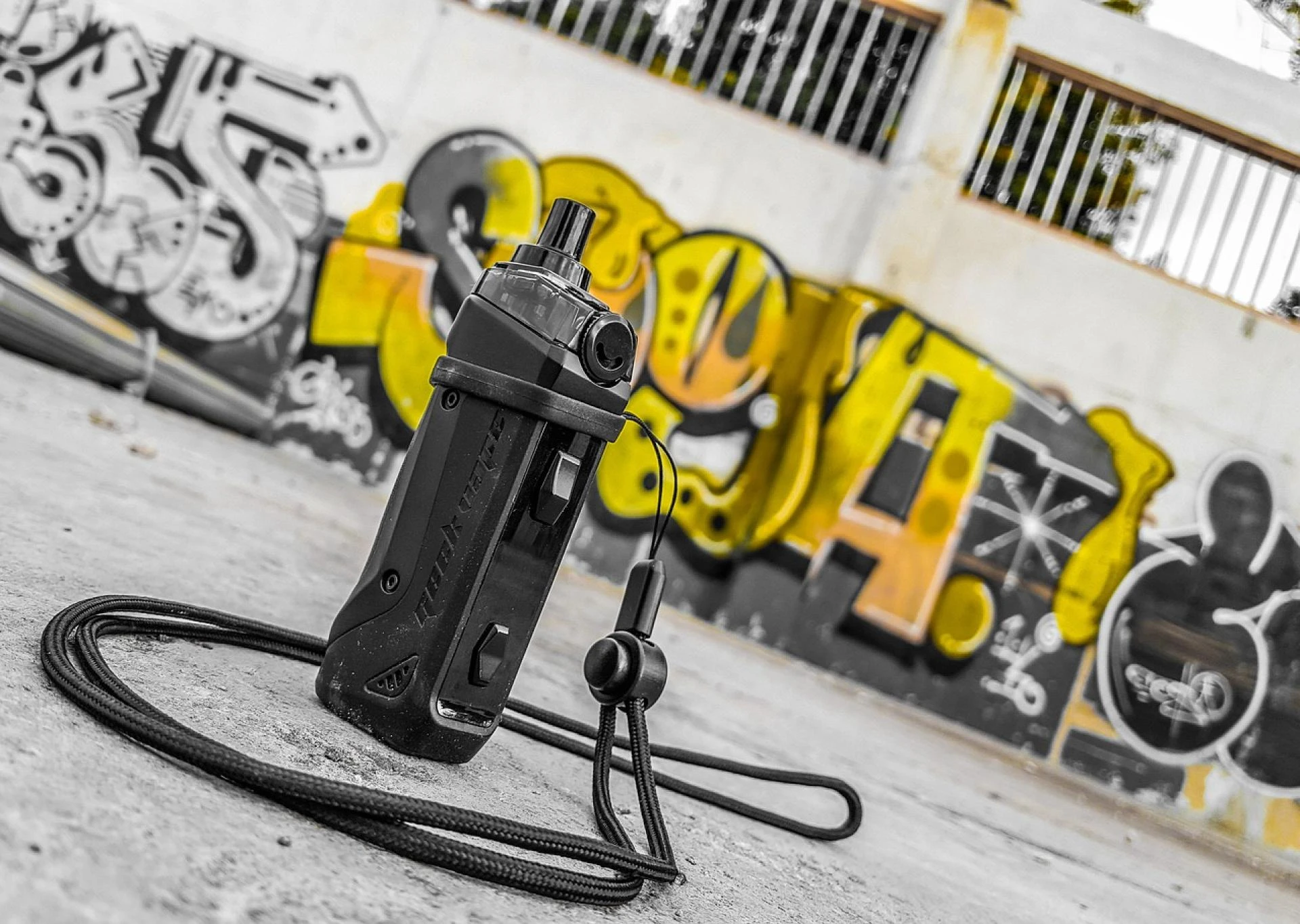
The UK vaping market has grown rapidly in recent years, with products like pyne pod 50k drawing attention for their high puff counts and sleek designs. As innovation accelerates, so does confusion—especially around which devices comply with UK law and which fall outside regulatory boundaries. For beginners, retailers, healthcare professionals, and business owners, understanding the distinction between legal and illegal vapes in the UK is no longer optional. It’s essential.
In conversations around popular devices such as HQD glow air 70k, questions often arise about compliance, safety standards, and regulatory limits. The UK has some of the strictest vaping regulations in the world, and not all products on the market meet those requirements. This article breaks down the critical differences between legal and illegal vapes in the UK, providing clarity in a rapidly evolving industry.
Understanding the UK Regulatory Framework
The sale and manufacture of vaping products in the UK are primarily governed by the Tobacco and Related Products Regulations 2016 (TRPR), which implemented the EU Tobacco Products Directive (TPD). Although the UK has left the EU, these regulations remain in force, overseen by the Medicines and Healthcare products Regulatory Agency (MHRA).
Key Legal Requirements for Vapes in the UK
To be considered legal, a vape product must comply with several core rules:
1. Nicotine Strength Limit
Legal e-liquids containing nicotine cannot exceed 20 mg/ml (2%) nicotine strength.
2. Tank and Pod Capacity
Refillable tanks and pods must not exceed 2 ml capacity.
3. E-liquid Bottle Size
Nicotine-containing e-liquid refills are limited to 10 ml bottles.
4. Product Notification
All nicotine vaping products must be notified to and approved by the MHRA before being sold. Retailers can verify legality through the MHRA’s public notification list.
5. Packaging and Labelling Standards
Legal products must:
- Include health warnings covering 30% of the packaging
- Display nicotine content clearly
- Provide safety and ingredient information
- Include a leaflet with instructions and warnings
Failure to meet any of these criteria renders a product non-compliant and therefore illegal to sell in the UK.
What Makes a Vape Illegal?
Illegal vapes typically violate one or more of the above regulations. The most common red flags include:
Excessive Puff Counts and E-liquid Volume
Many disposable devices marketed with extremely high puff counts—such as 10,000, 20,000, or even 50,000 puffs—often exceed the 2 ml e-liquid capacity limit when sold with nicotine in the UK. In many cases, these devices contain significantly more liquid than permitted under UK law.
Nicotine Levels Above 20 mg/ml
Some imported products exceed the legal nicotine cap, posing increased risks of nicotine dependence and adverse health effects.
Lack of MHRA Registration
If a product does not appear on the MHRA’s notified products list, it cannot legally be sold in the UK, regardless of branding or popularity.
Non-Compliant Packaging
Missing health warnings, incorrect labeling, or lack of manufacturer details are clear signs of illegal distribution.
Safety Implications: Why the Difference Matters
The distinction between legal and illegal vapes is not just bureaucratic—it has real health and safety implications.
Quality Control and Ingredient Transparency
Legal vape products undergo a notification process that includes ingredient disclosure and emissions testing. This ensures:
- Harmful substances are minimized
- Nicotine levels are accurate
- Batteries meet safety standards
Illegal products may bypass these checks entirely, increasing the risk of contamination, faulty batteries, or inaccurate nicotine dosing.
Fire and Battery Risks
Trading Standards across the UK have reported seizures of illegal disposable vapes with substandard lithium-ion batteries. Poor-quality batteries significantly increase the risk of overheating, fire, or explosion.
Youth Access Concerns
Illegal vape distribution often overlaps with underage sales. Products that evade regulation are less likely to follow age-verification procedures, undermining public health efforts to prevent youth nicotine addiction.
Impact on Retailers and Business Owners
For shop owners and distributors, stocking illegal vape products carries serious consequences.
Financial Penalties and Prosecution
Local Trading Standards authorities have the power to:
- Issue on-the-spot fines
- Seize non-compliant products
- Prosecute retailers
- Revoke business licenses in severe cases
Ignorance of the law is not a defense. Retailers are responsible for verifying that all products meet UK standards.
Reputational Damage
Being associated with illegal products can severely damage customer trust. In a competitive market, credibility is a valuable asset.
How to Identify a Legal Vape Product
Whether you’re a consumer or a retailer, these steps can help you verify compliance:
1. Check the MHRA Notification List
Search the product name or manufacturer in the official MHRA database.
2. Inspect the Packaging
Look for:
- A 30% health warning label
- Clear nicotine strength display
- Manufacturer or importer contact details
- Batch numbers and traceability information
3. Be Skeptical of Unrealistic Puff Claims
If a disposable vape advertises extremely high puff counts with nicotine included, it likely exceeds the legal 2 ml limit.
4. Purchase from Reputable Suppliers
Avoid unverified online marketplaces or informal sellers offering significantly discounted prices.
The Role of Enforcement in the UK
UK authorities have intensified enforcement in recent years. Trading Standards teams conduct regular raids, seizing millions of pounds’ worth of illegal vaping products annually. Ports and border agencies are also increasing inspections to prevent non-compliant imports from entering the country.
These actions reflect a broader public health strategy: supporting adult smokers who wish to switch to regulated vaping products while preventing misuse, youth uptake, and unsafe manufacturing practices.
Legal Doesn’t Mean Risk-Free
It’s important to note that while legal vapes meet regulatory standards, they are not entirely risk-free. The NHS maintains that vaping is significantly less harmful than smoking traditional cigarettes, but it is intended primarily as a smoking cessation tool—not a recreational product for non-smokers.
Healthcare professionals continue to monitor long-term data, and regulations may evolve as new evidence emerges.
The Future of Vape Regulation in the UK
The UK government has announced plans to tighten rules further, particularly around disposable vapes and youth marketing practices. Proposed measures include:
- Potential restrictions or bans on disposable devices
- Stricter packaging controls
- Enhanced enforcement funding
For industry professionals and consumers alike, staying informed will be key as the regulatory landscape continues to shift.
Conclusion
Understanding the differences between legal and illegal vapes in the UK is critical in today’s saturated market. Legal products comply with strict nicotine limits, e-liquid capacity rules, MHRA notification requirements, and packaging standards designed to protect consumers. Illegal vapes, by contrast, often exceed these limits, bypass safety checks, and pose health, financial, and legal risks.
For beginners, professionals, retailers, and healthcare stakeholders, awareness is the first line of defense. By verifying compliance, scrutinizing product claims, and staying informed about UK regulations, individuals and businesses can make responsible decisions in an evolving industry.








Sign in to leave a comment.