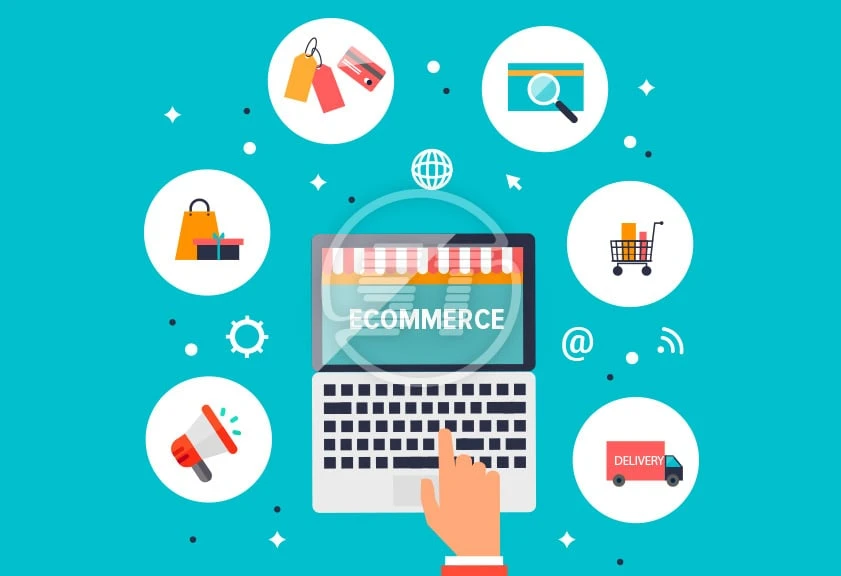

Imagine you have a great online store, but nobody knows about it. That's what happens when you don't have a digital marketing plan with you. Today, many people love to shop online, so it is critical to have a marketing blueprint that helps you stand out and attract customers. Ecommerce digital marketing is like having a roadmap that guides customers from browsing to buying. It involves using online stores, social channels, and content to connect with people who are interested in your products. The goal is to make sure that when anyone searches for something online, your ecommerce store shows up right in front of them. In this piece, we'll explore the popular digital marketing strategies that help your ecommerce business succeed.
Proven Strategies of Digital Marketing for Ecommerce Success
Listed below are the winning strategies for an ecommerce digital agency.
1. SEO
SEO helps your ecommerce store show up higher in search results. It involves using the right keywords in product pages to make your ecommerce store visible to potential customers. Besides this, you may also improve your site speed to attract more organic traffic. This helps you improve your ecommerce store presence and sales without extra advertising costs.
Pros of SEO
Improves online store visibility
Increases organic traffic
Enhances credibility
Supports long-term growth
Reduces advertising costs
Cons of SEO
Takes time to show results
Requires continuous updates and optimization
Needs expertise in technical SEO
Competition for popular keywords can be tough
Results are not guaranteed
2. PPC Advertising
PPC means running paid ads on search engines or social media. You need to pay only when someone clicks on your ad. This makes it a cost-effective way to drive an influx of traffic. In PPC, you can set budgets as per your convenience, focus on specific audiences, and bring visitors to your ecommerce store quickly. This makes it a popular choice for running paid campaigns.
Pros of PPC
Drives targeted traffic quickly
Offers immediate sales opportunities
Allows precise budget control
Provides measurable results
Enhances brand visibility
Cons of PPC
Can become expensive over time
Requires constant monitoring and adjustments
Clicks don’t always convert to sales
Success depends on ad quality and relevance
Competition can drive up costs for keywords
3. Social Media Marketing
It involves using social channels to connect with your audience and promote products. By posting attention-grabbing reels and posts on social channels, you may let users know about your ecommerce store. This allows you to engage with customers and visually showcase your products.
Pros of Social Media Marketing
Improves brand presence
Enhances customer engagement
Supports influencer partnerships
Offers targeted advertising options
Provides real-time feedback
Cons of Social Media Marketing
Requires consistent content creation and updates
Organic reach can be limited without ads
Negative feedback is visible to all users
Results may take time to build momentum
Managing multiple platforms can be time-consuming
4. Content Marketing
Creating useful content may help you attract visitors to your ecommerce store. You may create guides, blog posts, and videos to educate your customers. For instance, a blog post on "tips to choose the right dress" can bring visitors to your dress category page. In simple words, content marketing helps build trust and establishes your brand as an expert.
Pros of Content Marketing
Educates and engages customers
Supports SEO efforts
Encourages sharing and word-of-mouth
Offers long-term brand building
Provides value beyond sales
Cons of Content Marketing
Takes time to create high-quality content consistently
Results are not immediate; it’s a long-term strategy
Requires creativity and expertise in writing or media creation
Measuring ROI can be complex without clear goals
Content may need frequent updates to stay relevant
5. Email Marketing
It involves sending newsletters, alerts and offers to people on your email list. It is a popular way to keep customers aware of fresh discounts or sales. Moreover, sending bespoke emails like birthday messages can make customers feel valued. This may encourage them to come back again.
Pros of Email Marketing
Offers personalized communication
Provides measurable results
Supports upselling and cross-selling
Enhances customer loyalty
Encourages repeat business
Cons of Email Marketing
Emails can end up in spam folders if not optimized
Requires building and maintaining a subscriber list
Overuse can lead to customer annoyance or unsubscribes
Success depends on crafting compelling content
Limited impact if customers don’t check emails regularly
6. Influencer Marketing
Influencers have loyal fanbase who trust what they say. Having a partnership with them lets you tap into their followers. This is a good way to build trust, enhance brand presence, and sell more products as people see them as trusted sources.
Pros of Working with Influencers
Expands brand reach quickly
Builds trust with potential customers
Offers authentic product endorsements
Supports niche targeting
Enhances brand credibility
Cons of Working with Influencers
Can be expensive, especially with top influencers
Results depend on the influencer’s credibility and audience fit
Tracking ROI can be challenging at times
Risk of influencer controversies affecting your brand image
May not guarantee immediate sales or conversions
7. User-Generated Content
It includes reviews, photos, or videos made by your customers related to your products. Sharing this content on your online store builds trust among new shoppers. People are more likely to buy when they see real customers using a product.
Pros of Leveraging UGC Content
Builds trust with potential customers
Encourages customer engagement
Offers social proof
Supports SEO efforts
Enhances brand authenticity
Cons of Leveraging UGC Content
Quality of UGC may vary greatly
Negative reviews or feedback may harm your brand image if not managed well
Requires monitoring to ensure appropriate content is shared publicly
Relies on active customer participation, which may not always happen consistently
May need to offer incentives to encourage content creation
Summing Up
Having a solid digital marketing plan is key to ecommerce success. It helps you reach more customers and stay ahead in the market. If you want to create digital campaigns for your online store that drive results, you may seek help from a reliable ecommerce advertising agency. Start today and see the positive impact ecommerce marketing services can have on the success of your online store.









Sign in to leave a comment.