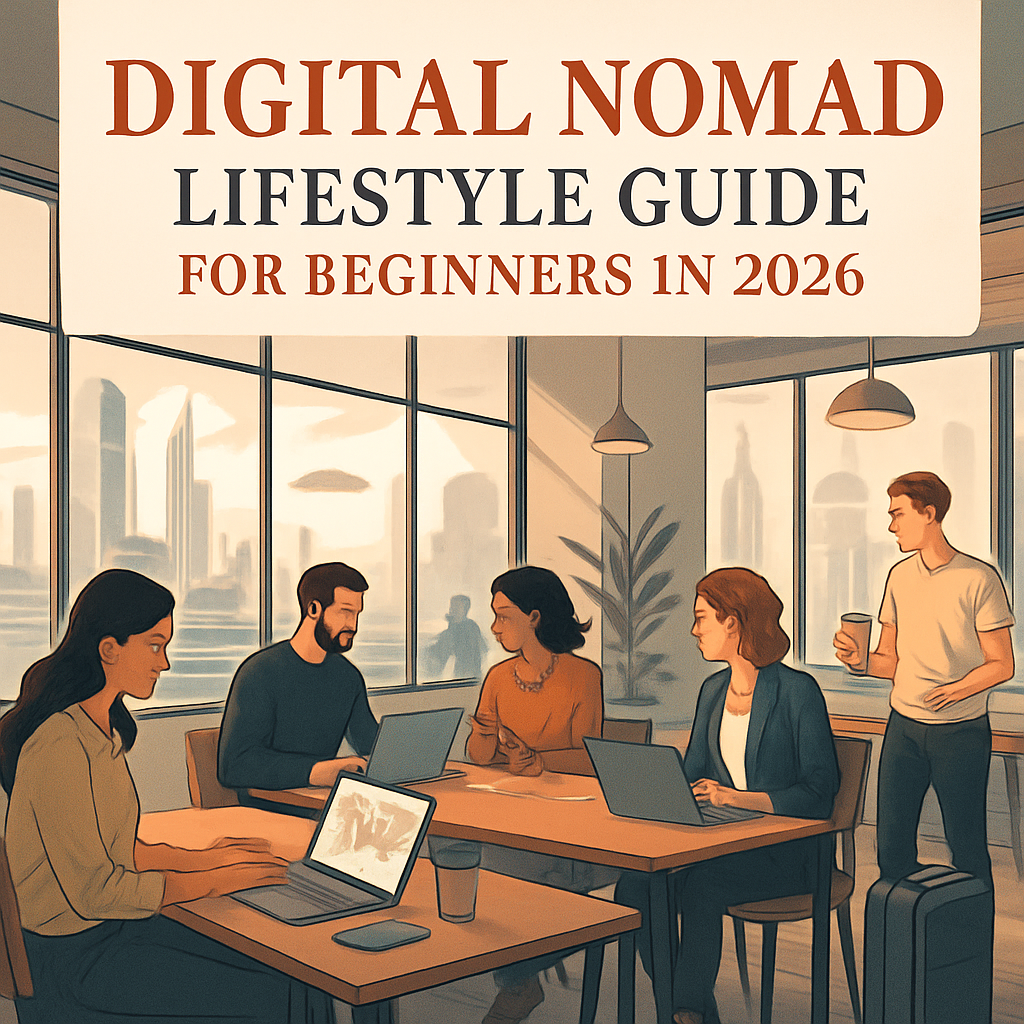

The digital nomad lifestyle has transformed from a niche trend to a mainstream choice, driven by technological advancements and changing work paradigms. As of 2026, an estimated 35 million people worldwide identify as digital nomads, according to a recent report by Global Workplace Analytics. This marks an astounding 150% increase from just five years ago, reflecting a significant shift in how we perceive work and location independence. The allure of working from beachside villas in Bali or bustling cafes in Lisbon is not just a dream for the tech-savvy elite but a viable reality for many.
The rise of remote work tools and platforms, such as Zoom and Slack, alongside the proliferation of co-working spaces globally, has made this lifestyle more accessible than ever. A pivotal event that accelerated this trend was the COVID-19 pandemic, which forced companies to adopt remote work models, proving that productivity doesn't require a traditional office setting. In this guide, we will explore the history of digital nomadism, its current landscape, and provide a comprehensive roadmap for beginners eager to embark on this exciting journey. From choosing the right destinations to managing remote work challenges, this guide is essential for anyone considering a life untethered by geographic constraints.
Deep Background
The concept of living as a digital nomad can trace its origins back to the late 20th century when the advent of the internet began to untether workers from physical offices. However, the term "digital nomad" was popularized in 1997 with the publication of the book Digital Nomad by Tsugio Makimoto and David Manners. The authors envisioned a future where technology would enable people to live and work from anywhere in the world. Fast forward to the early 2000s, and we see pioneers like Steve Roberts, who famously cycled across the U.S. with a computer-equipped recumbent bike, embodying the spirit of this lifestyle.
In the ensuing decades, the rise of freelance platforms like Upwork and Fiverr, along with the growth of the gig economy, laid the groundwork for a more mobile workforce. By 2018, digital nomadism was gaining momentum, with tech hubs like Chiang Mai and Medellin emerging as popular destinations. A lesser-known fact is that Estonia was the first country to introduce a digital nomad visa in 2020, paving the way for many other nations to follow suit. This government-backed initiative was a game-changer, providing legal residency options for remote workers seeking to extend their stay in foreign lands.
"The digital nomad lifestyle is not just a trend; it's the future of work," said Pieter Levels, founder of Nomad List, a popular platform connecting digital nomads worldwide.
For more insights into the evolution of remote work, explore our remote work topic page.
The Core Analysis
In 2026, the digital nomad ecosystem is more robust than ever, with a market size valued at approximately $1.5 trillion, according to a Bloomberg report. This figure encompasses travel, accommodation, co-working spaces, and digital services tailored to nomads. The success of the digital nomad lifestyle hinges on several key factors:
- Connectivity: Global internet penetration has reached 75%, ensuring reliable access in most urban and rural areas.
- Cost of Living: Cities like Ho Chi Minh City and Tbilisi offer affordable living expenses, making them attractive options for budget-conscious nomads.
- Community: Platforms like Meetup and Facebook Groups foster a sense of community among nomads, allowing them to network and collaborate globally.
Technological Advancements
The role of technology cannot be overstated in this context. A Wired analysis highlights the impact of AI-powered productivity tools like Notion AI and ChatGPT, which have revolutionized how digital nomads manage their work. These tools assist in automating mundane tasks, enabling workers to focus on more creative and strategic endeavors. Furthermore, the integration of blockchain technology in freelance platforms has enhanced payment security and transparency, attracting more professionals to the digital nomad lifestyle.
The competition among co-working spaces is also heating up, with WeWork leading the charge, boasting over 600 locations worldwide. Competitors like Spaces and Regus are expanding aggressively, offering tailored packages to suit the needs of digital nomads, such as flexible memberships and bespoke workspaces.
Current Landscape & 2026 Developments
The digital nomad lifestyle continues to evolve, with several recent developments shaping its trajectory. In the past six months, significant strides have been made in visa policies, with countries like Portugal and Greece introducing new digital nomad visas with attractive tax incentives. According to Reuters, these initiatives aim to boost local economies by attracting foreign professionals who contribute to the service sector.
Environmental Concerns
One of the notable sub-topics is the environmental impact of increased travel associated with digital nomadism. As more individuals adopt this lifestyle, the carbon footprint of frequent flights has come under scrutiny. In response, many digital nomads are opting for slower travel methods, such as train journeys, to reduce their environmental impact. The rise of eco-friendly accommodations and co-working spaces powered by renewable energy sources is also gaining popularity, reflecting the community's growing commitment to sustainability.
Another development is the diversification of digital nomad demographics. While traditionally dominated by tech professionals, the community now includes educators, healthcare practitioners, and creatives, thanks to the expansion of remote work opportunities across various sectors.
Expert Perspectives & Industry Impact
Industry experts view the growth of the digital nomad community as both an opportunity and a challenge. From an economic perspective, the influx of digital nomads can stimulate local economies, particularly in regions reliant on tourism. However, there are concerns about gentrification and rising living costs in popular hubs. According to a study by the Brookings Institution, cities must implement policies to balance economic benefits with the needs of local residents.
"Digital nomadism is reshaping the global workforce, challenging traditional employment models and prompting companies to rethink talent acquisition strategies," said Sarah Kessler, a prominent labor market analyst.
The cultural impact is equally significant, as digital nomads serve as modern-day cultural ambassadors, fostering cross-cultural exchanges and breaking down barriers. This lifestyle promotes a more inclusive global perspective, encouraging tolerance and understanding among diverse communities.
For more on the cultural implications of remote work, visit our culture topic page.
What to Watch
The future of digital nomadism holds numerous possibilities and challenges. As remote work becomes more entrenched in corporate culture, companies may increasingly adopt hybrid models, offering employees the flexibility to work from anywhere. This shift will likely lead to the development of more comprehensive support systems for digital nomads, including healthcare packages and legal assistance.
Upcoming milestones to watch include the introduction of global remote work standards, as proposed by the International Labour Organization, which could provide a framework for fair and consistent treatment of remote workers worldwide. Additionally, advancements in virtual reality technology may further enhance the digital nomad experience, allowing for immersive remote collaboration and networking.
As we look ahead, the digital nomad lifestyle promises to remain a dynamic and evolving frontier. With its potential to redefine work-life balance and foster global connectivity, it poses both exciting opportunities and complex challenges. Keep an eye on emerging trends and policy changes as you embark on your digital nomad journey, and embrace the freedom to live and work on your own terms.








Sign in to leave a comment.