

In today’s rapidly evolving digital world, Digital Tokens are transforming how people buy, sell, and manage assets online. From cryptocurrencies to blockchain-based assets, digital tokens are becoming a fundamental part of the global financial ecosystem. Businesses, investors, and technology enthusiasts are exploring how these tokens can reshape industries and create new opportunities.
What Are Digital Tokens?
Digital Tokens are units of value that exist on a blockchain. They represent ownership, access rights, or assets in a digital environment. Unlike traditional currencies or physical assets, digital tokens operate in a decentralized system powered by blockchain technology.
These tokens can represent many things such as:
- Digital currencies
- Ownership of assets
- Access to services
- Voting rights in decentralized platforms
Because they operate on blockchain networks, digital tokens provide transparency, security, and efficiency in digital transactions.
How Digital Tokens Work
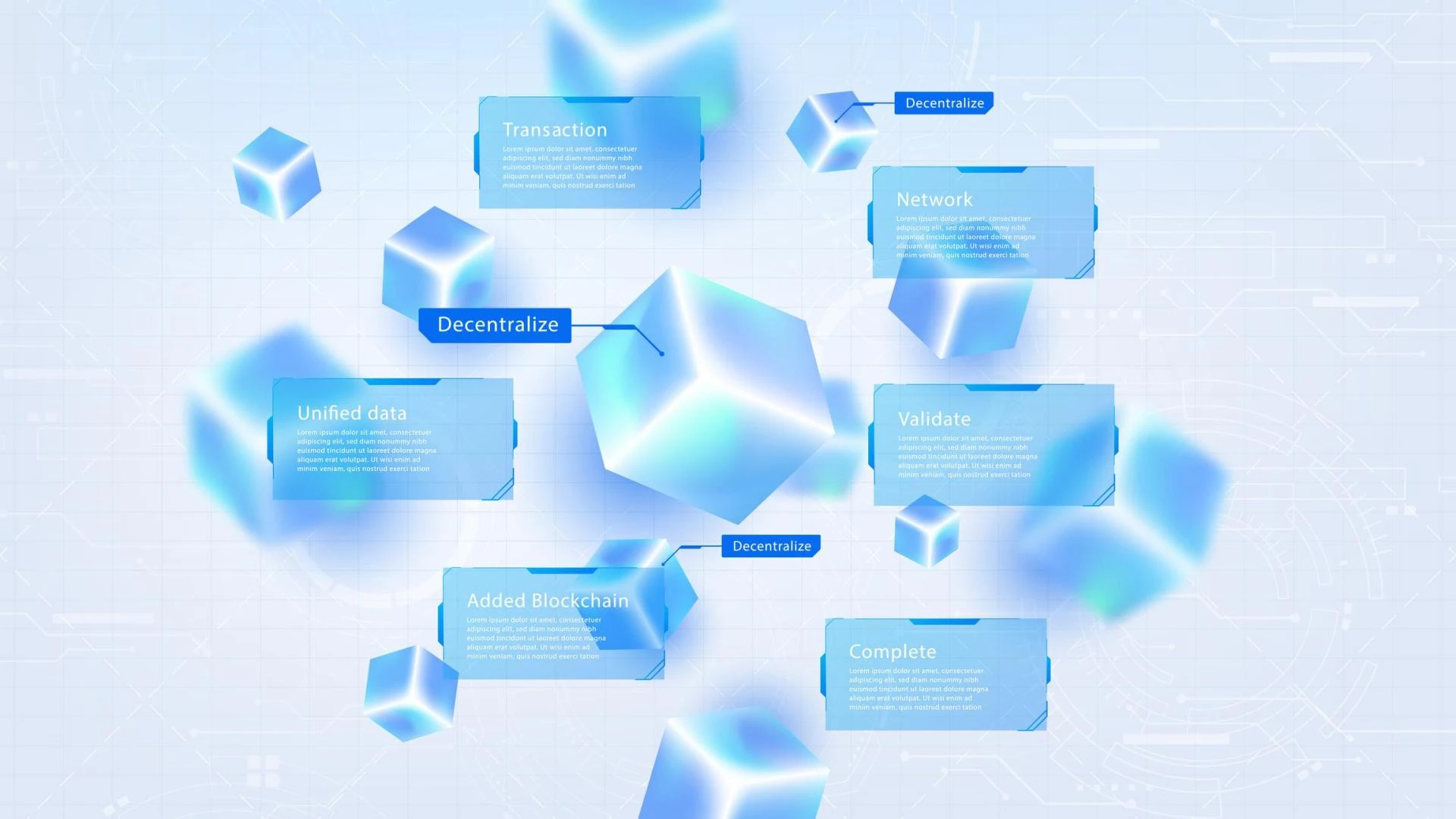
Digital tokens are created and managed through blockchain technology. A blockchain is a distributed ledger that records transactions across many computers, ensuring transparency and security.
Here’s how digital tokens typically work:
- A developer creates a token using blockchain platforms such as Ethereum.
- The token is stored in a digital wallet.
- Users can transfer, trade, or use the token within specific platforms.
- All transactions are recorded on the blockchain, making them secure and transparent.
This decentralized nature eliminates the need for intermediaries like banks or payment processors.
Types of Digital Tokens
Digital tokens can be categorized into several types depending on their purpose.
1. Utility Tokens
Utility tokens provide access to a specific service or platform. For example, some online platforms issue tokens that allow users to access premium features or services.
2. Security Tokens
Security tokens represent ownership in real-world assets such as stocks, real estate, or company shares. These tokens are often regulated and offer investors digital proof of ownership.
3. Payment Tokens
Payment tokens function as digital currency used for transactions. Cryptocurrencies like Bitcoin are well-known examples of payment tokens used for buying goods and services online.
4. Governance Tokens
Governance tokens give holders voting rights in decentralized organizations or blockchain projects. These tokens allow communities to participate in decision-making processes.
Benefits of Digital Tokens
The rise of Digital Tokens offers several advantages for businesses and users.
Increased Transparency
Since transactions are recorded on the blockchain, every transaction is visible and verifiable. This reduces fraud and increases trust.
Faster Transactions
Digital token transactions can be completed within minutes compared to traditional banking systems that may take days.
Lower Transaction Costs
Without intermediaries like banks, digital token transactions often come with lower fees.
Global Accessibility
Anyone with internet access can use digital tokens, making financial systems more inclusive.
Real-World Applications of Digital Tokens
Digital tokens are being used across multiple industries.
Finance and Payments
Many businesses now accept digital tokens as payment, enabling faster cross-border transactions.
Gaming Industry
In gaming, digital tokens allow players to buy in-game items, trade assets, and participate in digital economies.
Real Estate
Property ownership can be represented through tokens, allowing investors to purchase fractional shares of real estate assets.
Digital Art and NFTs
Artists can tokenize their digital artwork, creating unique digital assets that can be bought and sold globally.
Challenges of Digital Tokens
While digital tokens offer many benefits, they also face certain challenges.
Regulatory Uncertainty
Many governments are still developing regulations for digital tokens and blockchain assets.
Security Risks
Although blockchain is secure, users must protect their digital wallets from hacking or phishing attacks.
Market Volatility
Some digital tokens experience significant price fluctuations, making them risky investments.
The Future of Digital Tokens
The future of Digital Tokens looks promising as blockchain technology continues to evolve. Governments, financial institutions, and technology companies are exploring tokenization for various assets.
Experts believe digital tokens could soon transform industries such as banking, supply chain management, healthcare, and digital identity verification. With increasing adoption and improved regulations, digital tokens may become a mainstream part of global financial systems.
Conclusion
Digital tokens are revolutionizing how we manage and exchange value in the digital world. By leveraging blockchain technology, they offer secure, transparent, and efficient solutions for financial transactions and asset management.
As technology advances and adoption grows, Digital Tokens will likely play a critical role in shaping the future of digital finance and online economies. Businesses and individuals who understand and adopt this technology early may benefit greatly from the opportunities it provides.








Sign in to leave a comment.