
Introduction: Why Everyone's Talking About Downward Dog
Ever wonder why yoga classes always sneak in a Downward Dog pose—sometimes even multiple times in one session? It’s not just a fancy stretch to make you feel like a human triangle. Downward Dog, or Adho Mukha Svanasana (but we’ll just stick with the easier name), is a powerhouse pose that can work wonders for your body and mind.
Whether you're a total yoga newbie or someone who casually dabbles on the mat, learning about the benefits of this pose might just inspire you to do it more often. In this blog, we’ll break down all the amazing perks of Downward Dog—no yoga degree required to understand it. We’ll keep things light, real, and super easy to follow.
Here’s what we’ll cover:
- What is Downward Dog, anyway?
- Physical benefits (it’s more than just a stretch!)
- Mental and emotional perks (hello, stress relief!)
- How to do it correctly (with simple tips)
- Common mistakes and how to avoid them
- How often should you do it?
- Who should be careful with this pose?
Let’s dive in (or stretch out?).
What Is Downward Dog Pose?
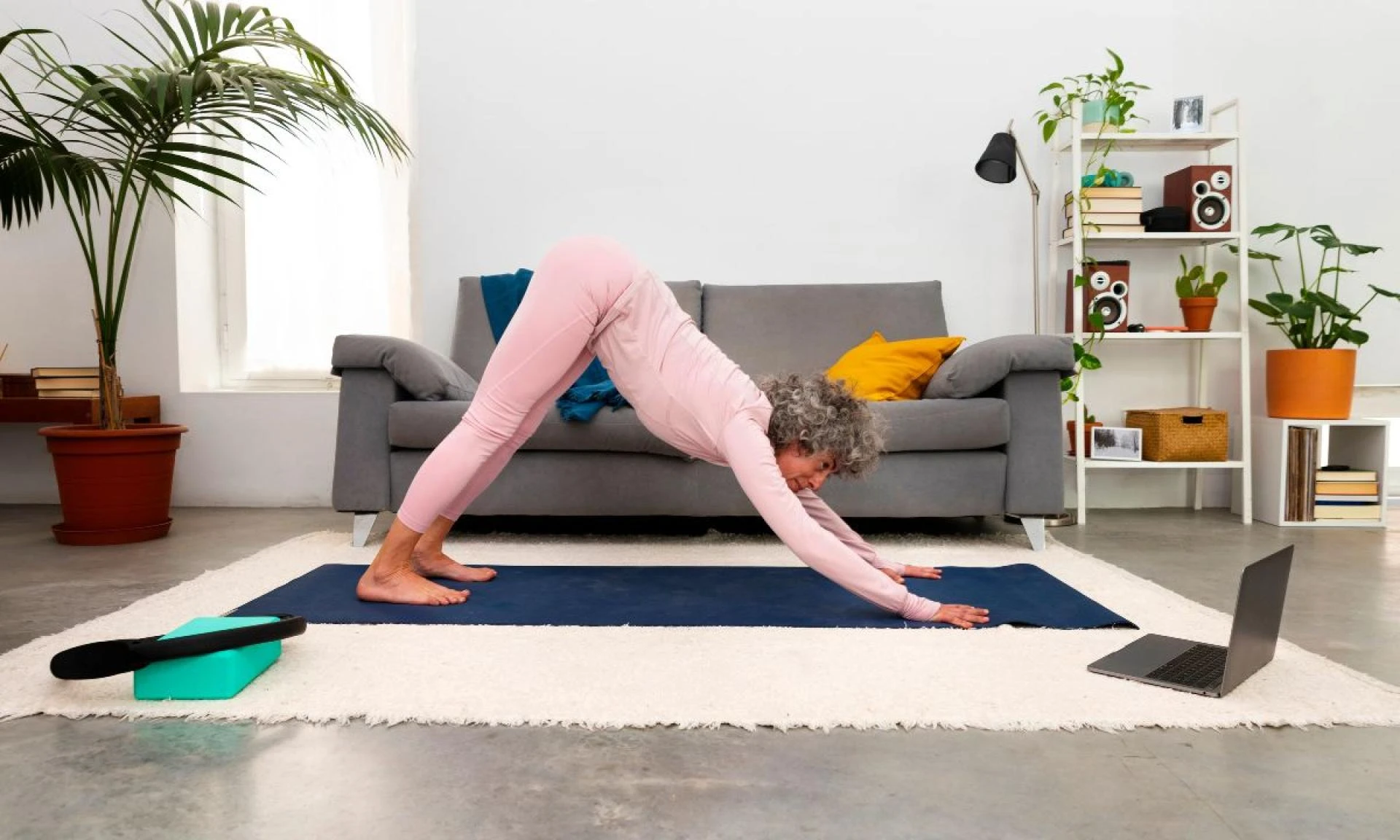
Imagine this: you’re on your hands and feet, hips in the air, making a shape that looks like an upside-down letter "V." That’s Downward Dog in a nutshell.
It’s a classic yoga pose that’s often used in transitions, warm-ups, and even cool-downs. But don't be fooled—it’s not just a filler move. It’s a full-body stretch and strengthener all rolled into one.
Physical Benefits of Downward Dog
Downward Dog may look simple, but your body is doing a lot behind the scenes. Here are the juicy physical benefits:
1. Full-Body Stretch
- Stretches your hamstrings, calves, and Achilles tendons
- Opens your shoulders and chest
- Lengthens your spine (goodbye, desk slouch!)
2. Strengthens Muscles
- Builds strength in your arms, shoulders, and wrists
- Works your core muscles (yes, even in this pose!)
- Strengthens your legs and ankles
3. Boosts Flexibility
- Helps increase range of motion in your hips and legs
- With regular practice, you'll touch your toes without bending your knees (okay, maybe!)
4. Improves Posture
- Aligns your spine and encourages good habits
- Opens tight areas that often cause poor posture
5. Energizes the Body
- Gets your blood flowing
- Refreshes your nervous system
Mental and Emotional Benefits
Yoga isn’t just about twisting like a pretzel—it’s about feeling better in your brain too.
1. Reduces Stress
- Downward Dog encourages deep breathing
- It calms the nervous system, helping you chill out
2. Boosts Mood
- Moving your body releases feel-good hormones
- The inverted position can give you a new perspective—literally and emotionally
3. Improves Focus
- Holding the pose builds mental strength
- It teaches patience and present-moment awareness
4. Combats Fatigue
- Just a minute in Downward Dog can re-energize you
- Great for mid-day slumps when coffee isn’t cutting it
How to Do Downward Dog Correctly
You don’t need to be a gymnast. Here’s a simple step-by-step:
- Start on your hands and knees.
- Spread your fingers wide like jazz hands.
- Tuck your toes under.
- Lift your hips up and back, straightening your legs as much as you can.
- Keep your head between your arms.
- Press your heels toward the ground (but it’s okay if they don’t touch).
- Breathe deeply and hold for a few breaths.
Bonus Tip: Think about pushing the floor away rather than collapsing into your shoulders.
Common Mistakes (And How to Fix Them)
Mistake #1: Rounded back
- Fix it: Bend your knees slightly and focus on lifting your hips.
Mistake #2: Shoulders scrunched up
- Fix it: Relax your neck and let your head hang freely.
Mistake #3: Hands too close together
- Fix it: Make sure your hands are shoulder-width apart.
Mistake #4: Heels off the ground = bad?
- Reality: It’s totally okay if your heels don’t touch the floor.
How Often Should You Do It?
You can do Downward Dog every day. Seriously. It’s gentle enough for daily practice and beneficial enough that your body will thank you.
Try holding it for 30 seconds to 1 minute and repeat it 2-3 times in your yoga routine. Or just do it whenever you need a quick break!
Who Should Be Careful?
As magical as it is, Downward Dog isn't perfect for everyone. Here’s when to be cautious:
- Wrist pain or injuries: Use a block or modify with forearms on the ground.
- High blood pressure: Ask your doctor before doing inverted poses.
- Pregnancy (later stages): Modifications may be needed—talk to a prenatal yoga teacher.
- Glaucoma or eye issues: Avoid pressure to the head.
Always listen to your body. If it doesn’t feel right, it probably isn’t.
Fun Fact Corner
- Dogs really do stretch like this after a nap—it’s called a "play bow!"
- In some yoga traditions, this pose is used as a resting pose. Yes, really.
Conclusion: Give Your Body and Mind a Downward Dog Break
The Downward Dog pose is a bit like that one friend who’s always reliable. It’s there for you when you need to stretch, strengthen, refocus, or just breathe. You don’t have to be super bendy or zen to enjoy its benefits—just willing to try.
So the next time you feel tired, stiff, or stressed out, get into that upside-down V and stay for a few breaths. Your body (and maybe your bossy inner voice) will thank you.
Namaste—and don’t forget to wag your tail (just a little).








Sign in to leave a comment.