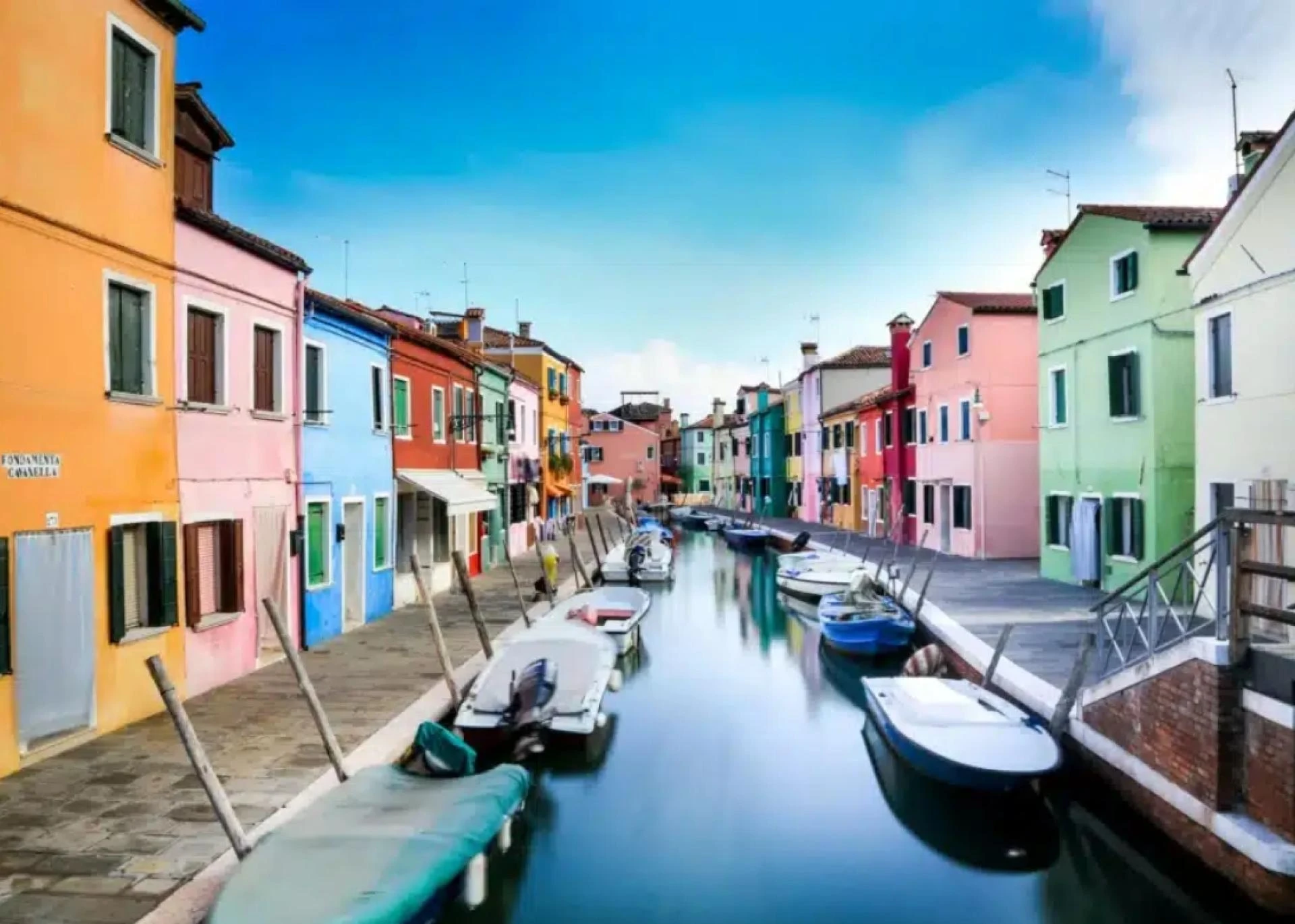

Italy has long attracted people with its rich history, exquisite cuisine, scenic beauty, and artistic legacy. For those who dream of relocating to this Mediterranean paradise without the need for employment, the Italy Elective Residency Visa offers a unique pathway. Designed primarily for financially self-sufficient individuals, this visa allows applicants to settle in Italy and enjoy its lifestyle without engaging in active work.
Understanding the Italy Elective Residency Visa
The Italy Elective Residency Visa is a long-stay visa meant for non-European Union citizens who can financially support themselves without working in Italy. It's ideal for retirees, remote passive income earners, and those with significant savings or investments. The core requirement is that the applicant must prove stable and sufficient income to live in Italy comfortably.
This visa is not a pathway for those seeking employment or running a business. Italy makes it clear that holders of the Italy Elective Residency Visa must not perform any work in the country, whether online or in-person. The intent is to provide an option for people who wish to retire or live leisurely while contributing positively to the Italian economy.
Key Requirements for the Italy Elective Residency Visa
To obtain the Italy Elective Residency Visa, applicants must meet several conditions:
- Proof of Income: The most critical requirement is a steady income stream. The minimum required is around €31,000 per year for a single applicant, but higher amounts are often recommended to increase the chances of approval.
- Accommodation: Applicants must show proof of suitable accommodation in Italy. This could be a rental agreement or proof of property ownership.
- Health Insurance: Private health insurance valid in Italy for at least one year is mandatory. It should cover all medical expenses and potential repatriation costs.
- Background Check and Documentation: A clean criminal record, valid passport, and other supporting documents like bank statements, tax returns, and income proofs are required during the application process.
Meeting these requirements alone does not guarantee approval. Italian consulates scrutinize each application closely to ensure that applicants are genuinely self-sufficient and have strong ties or interest in Italy.
The Application Process
Applying for the Italy Elective Residency Visa typically starts at the nearest Italian consulate or embassy in your home country. Applicants must schedule an appointment and attend an in-person interview. This step is crucial because consular officials assess whether the applicant’s lifestyle and financial situation align with the purpose of the visa.
After submission, the processing time can take anywhere from a few weeks to a few months, depending on the volume of applications and individual circumstances. Once approved, the applicant receives a long-stay visa that allows them to enter Italy and apply for a residence permit (permesso di soggiorno) within eight days of arrival.
The residence permit is usually valid for one year and can be renewed as long as the financial conditions continue to be met.
Life in Italy on an Elective Residency Visa
Once in Italy, holders of the Italy Elective Residency Visa enjoy many benefits. They can travel freely within the Schengen Zone, which includes 26 European countries. They can also enroll in language schools, join cultural activities, and fully immerse themselves in Italian society.
Although the visa does not permit employment, many visa holders engage in volunteer work, hobbies, and local community events. It’s a perfect opportunity for retirees or individuals who no longer rely on active employment to enjoy a slower pace of life in a country known for its beauty and charm.
However, visa holders must consistently meet financial requirements during their stay. Italian authorities can request updated financial records during visa renewals, and failing to demonstrate sufficient income may lead to denial of extension.
Tax Implications and Legal Obligations
Moving to Italy under the Italy Elective Residency Visa brings potential tax responsibilities. If you reside in Italy for more than 183 days in a year, you may be considered a tax resident. This means you might need to declare global income and pay taxes accordingly. However, Italy has tax treaties with many countries to avoid double taxation, and professional tax advice is strongly recommended.
Additionally, visa holders must respect all local laws, renew their residence permits on time, and ensure their health insurance remains valid. Maintaining accurate records and being prepared for yearly renewals is essential for a smooth stay.
Who Should Consider the Italy Elective Residency Visa?
This visa is an excellent choice for individuals or couples who wish to retire in Italy or simply live a peaceful life without the stress of work. It suits those who have consistent, documented income from sources such as:
- Pensions
- Rental income
- Dividends and investments
- Royalties or passive business income
- Substantial savings
Younger applicants may face more scrutiny, as consulates want assurance that their income is truly passive and sustainable long-term. Still, those with legitimate financial resources and a genuine interest in Italian culture can successfully obtain the Italy Elective Residency Visa.
Tips for a Successful Application
To increase the chances of getting approved for the Italy Elective Residency Visa, consider the following tips:
- Provide Clear, Detailed Financial Documentation: Show multiple years of income history, not just recent bank statements.
- Demonstrate Ties to Italy: Mention any family, friends, or cultural interests in your cover letter.
- Show Preparedness: Include detailed plans about where you’ll live, how you'll integrate, and how you’ll maintain your finances in Italy.
- Avoid Working Remotely: If your income appears to be tied to active work, the application may be rejected. Make sure your earnings are genuinely passive.
Conclusion: A Rewarding Journey Awaits
The Italy Elective Residency Visa provides a unique opportunity for individuals with financial independence to live in one of the most culturally rich and picturesque countries in the world. While the process may seem complex and demanding, the rewards are immense for those who succeed.
Living in Italy allows you to embrace a slower, more meaningful lifestyle surrounded by beauty, art, and warm communities. With careful planning, thorough documentation, and a genuine love for Italy, the dream of waking up to Tuscan landscapes or Roman ruins can become a fulfilling reality.
Whether you’re retiring early or seeking a change of pace, the Italy Elective Residency Visa might just be the key to unlocking your new life under the Italian sun.













Sign in to leave a comment.