
Keeping good health demands attention that requires knowledge of methods on how to prevent getting sick, or worse. The early diagnosis of chronic diseases depends heavily on routine visits to health screening clinics because such diseases do not usually show symptoms in early stages. Oftentimes, people get diagnosed when things are turning for the worst. People who receive routine health screenings discover potential risks so they can prevent conditions from progressing into severe stages. A health screening clinic serves as a way for people to detect sickness and understand their overall health.
Understanding the need to visit health screening clinics regularly
The role of health screening in disease prevention
Early screenings should be a part of one’s routine, like preventive healthcare, and this should be an essential practice. The purpose of these assessments is to detect potential health conditions early. The detection of diabetes, heart disease, and hypertension would make it easier for these conditions to be properly treated. The timely diagnosis enables quick intervention and leads to reduced illness severity and lower treatment costs as well as improved quality of life for the patients.
Common tests at a health screening clinic
The service at a health screening clinic provides patients with multiple assessment tests to monitor their overall health condition. The health screening clinic executes different tests, including:
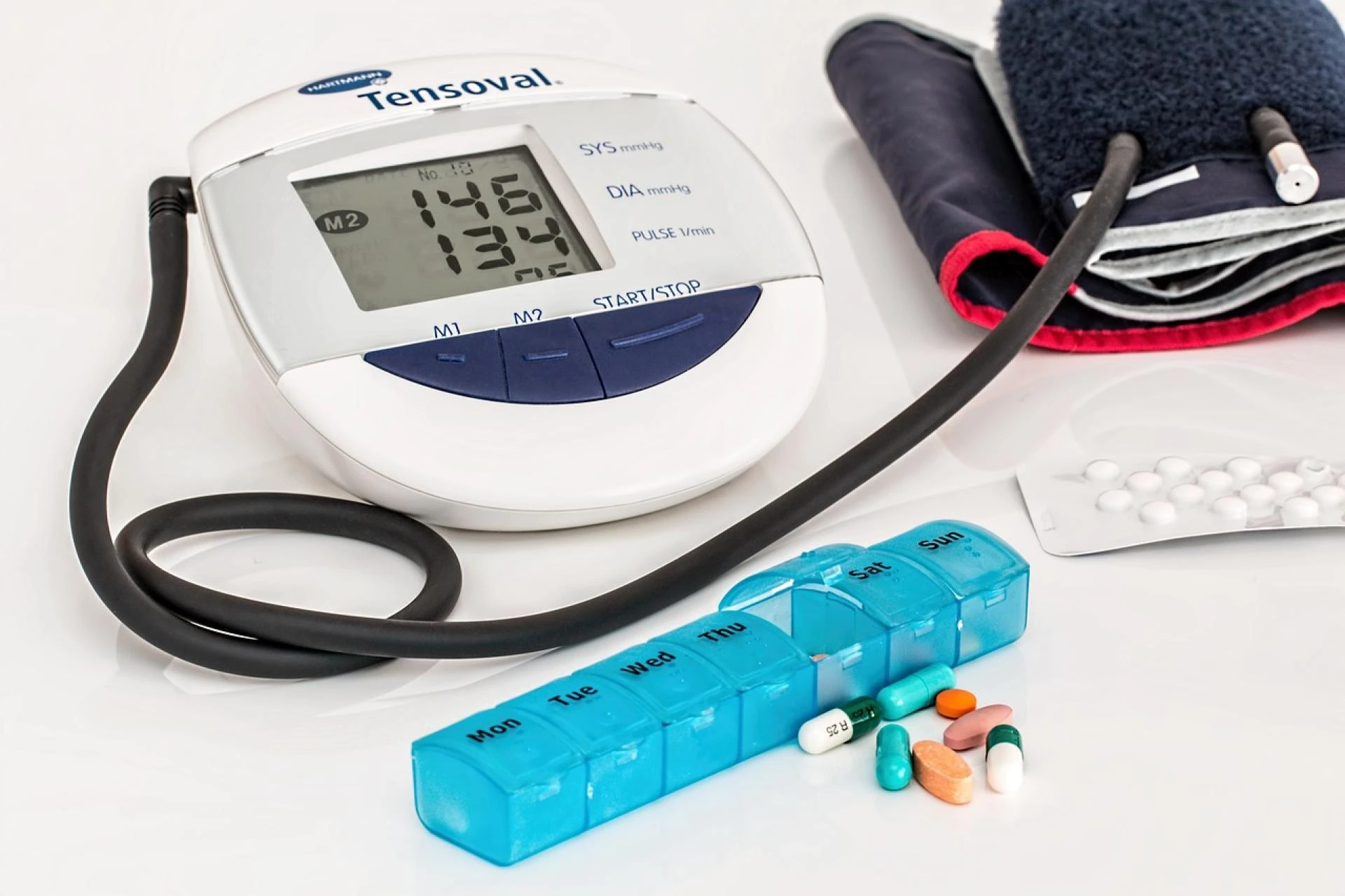
- Blood pressure checks. Early detection of hypertension becomes possible through this device because untreated hypertension leads to heart disease or stroke.
- Cholesterol tests. Cholesterol evaluation at the clinic helps physicians understand what heart health needs regarding beneficial and harmful cholesterol components.
- Blood glucose tests. The diagnostic tests identify diabetes as well as pre diabetes status at an early stage so patients can begin making changes to their lifestyle.
- Cancer screenings. Medical screening procedures that contain mammograms coupled with Pap smears and colonoscopies help physicians recognize cancer during its initial development.
- Liver and kidney function tests. Monitoring important organs occurs through testing programs that help detect organ dysfunction in its initial stages.
- Vision and hearing tests. The testing for sensory impairment occurs before any disruption sets in with daily life.
The regular performance of these tests enables early detection of chronic diseases and makes them easier to treat.
People who should undergo regular health screenings
Regular health screenings deliver maximum benefits for people who base their screening needs on age, lifestyle, and family history. Such concerned individuals conduct health screening examinations:
- Adults aged 40 and above. Regular screenings become increasingly necessary as people age because the chances of acquiring chronic illnesses rise.
- People with a family history of chronic diseases. Nowadays, regular screenings help identify heart disease and cancer in their earliest stages for people who have relatives with either condition.
- People with an unhealthy lifestyle. Medical examinations must be scheduled regularly by obese patients who also smoke or have poor eating habits to check their developing chronic health conditions.
- Pregnant women. Through pregnancy health assessments, medical personnel can detect gestational diabetes, thus protecting both mother and fetus.
The benefits of regular health screenings
Health screenings performed regularly offer multiple advantages which mainly include the discovery of diseases at early stages and disease prevention. Some key benefits include:
- Early detection of diseases. The early detection through health screenings of hypertension combined with diabetes and high cholesterol lets patients receive proper intervention before their conditions become worse.
- Improved management of chronic conditions. Proper disease screenings help chronic patients observe their health status alongside protecting them from new medical problems.
- Cost savings. People who receive early health prevention care avoid spending more money on hospital-based medical treatments.
Peace of mind comes through routine checkups that validate your successful health support methods and your ability to monitor dangerous health risks.
Summary
All people need to do regular health screening clinic visits, but those with higher chronic disease risk need it the most. Regular checkups during your lifetime establish health stability because they stop chronic diseases from developing and restrict your opportunity for disease free living.













Sign in to leave a comment.