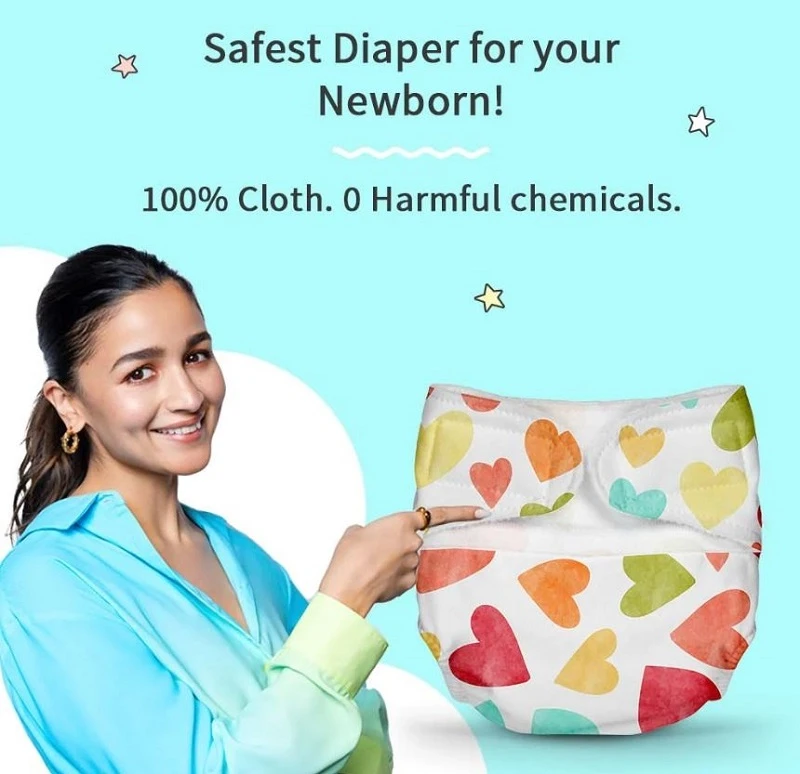

The arrival of a newborn brings with it a myriad of decisions, and choosing the right diapers is one of the first. Disposable and cloth diapers each offer unique advantages and drawbacks. Understanding the pros and cons of both options is crucial for making an informed choice that aligns with your baby's needs and your family's lifestyle.
This article by SuperBottoms will delve into the details of disposable and cloth diapers, highlighting the benefits of cloth diaper for newborn as a better option as compared to disposable diapers for newborn for many parents.
Disposable Diapers: A Closer Look
Disposable diapers have become the norm for many parents due to their convenience and ease of use. However, weighing the pros and cons is essential to make an informed decision.
Convenience Factor: Disposable diapers offer unparalleled convenience, quick changes and minimal cleanup.Cost Implications: While initially less expensive per diaper, the long-term cost of disposable diapers can add up significantly.Environmental Impact: The production and disposal of disposable diapers contribute to environmental pollution.Potential Health Concerns: Some studies have linked certain chemicals in disposable diapers to potential health risks, although the evidence is inconclusive.While disposable diapers offer convenience, it's crucial to consider the long-term implications for your baby's health and the environment.
The Case of Cloth Diapers
Cloth diapers for newborn baby offer numerous advantages that make them an appealing choice for many parents. Let's explore the benefits of using cloth diapers for your baby.
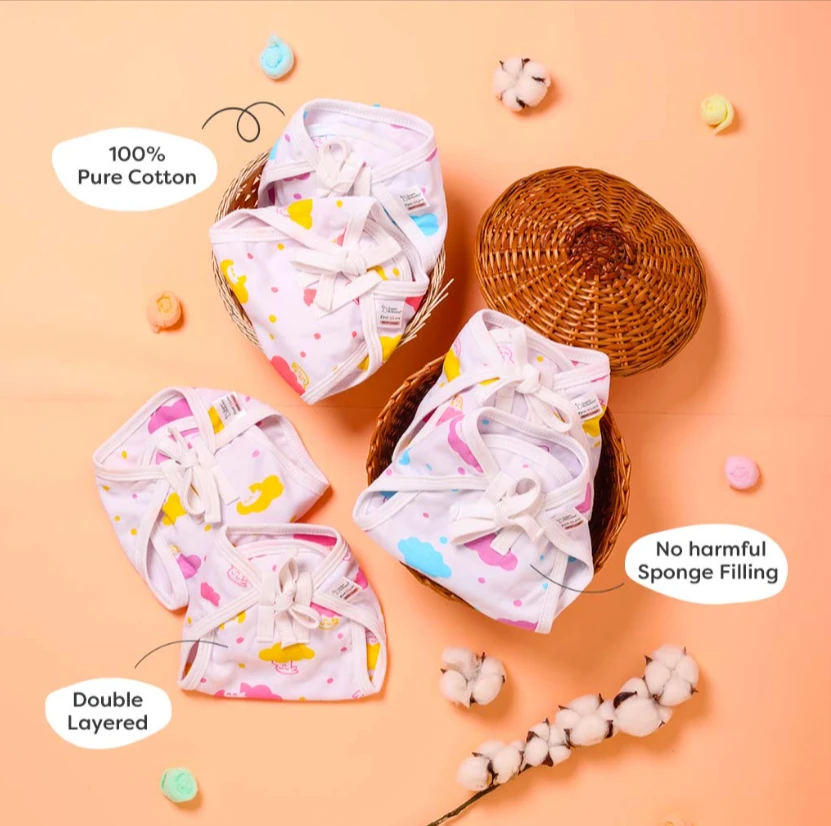
Benefits of Cloth Diaper for Newborn Baby's Skin Health: Cloth diapers allow for better breathability, reducing the risk of diaper rash and other skin irritations.Cost-Effectiveness in the Long Run: While there's an initial investment, cloth diapers can save you money in the long run compared to disposable diapers.Environmental Friendliness: By reducing waste, cloth diapers contribute to a healthier planet.Building a Sustainable Future: Choosing cloth newborn diapers is a step towards a more sustainable lifestyle for your family.By opting for cotton diapers for newborn, you're not only making a conscious choice for your baby's well-being but also contributing to a greener future.
The Ultimate Comparison
Choosing the correct diaper for your newborn is an important decision that impacts your baby's comfort and the environment. Let's compare the pros and cons of cloth and disposable diapers to help you make an informed choice.
Feature
Cloth Diapers
Disposable Diapers
Convenience
It requires washing and preparing, but modern designs offer ease
Quick and easy to change
Cost
Higher upfront cost but cheaper in the long run
Lower upfront cost but more expensive overall
Environmental Impact
Eco-friendly, reduces landfill waste
Contributes to landfill waste
Skin Health
Breathable, reduces the risk of diaper rash
It may contain chemicals with potential for irritation
Baby's Comfort
It can be customised for fit; some babies prefer to feel
Generally comfortable, but can lead to overheating
Ultimately, the best choice depends on your lifestyle, preferences, and baby's needs. Consider factors like time, budget, and environmental concerns when making your decision.
Maintenance & Caring for Cloth Diapers
Proper care of newborn cloth diapers is essential to maintain their effectiveness and hygiene. Here are some tips for washing, drying, and storing your cloth diapers:
Washing and Drying Tips:Wash cloth diapers separately from other laundry.Use a mild, fragrance-free detergent.Rinse cotton diapers for newborn thoroughly before washing.Dry diapers completely to prevent mold and mildew.Consider air-drying to preserve the fabric.Stain Removal:Pre-treat stains with a gentle stain remover.Wash diapers as soon as possible after use.For stubborn stains, you may need to soak the diapers in water and vinegar.Storage:Store clean diapers in a dry, airtight container.Avoid using plastic bags for long-term storage.Consider using a wet bag for soiled diapers when on the go.Making The Switch – A Few Practical Tips
Transitioning to cloth diapers can be exciting but also comes with challenges. Here are some tips to help you make a smooth switch:
Tips for Starting with Cloth Diapers:Start with a small stash of cloth diapers.Gradually introduce cloth diapers into your routine.Educate yourself about different types of cloth diapers.Prepare your washing machine for cloth diaper care.Overcoming Challenges:Be patient with yourself and your baby as you adjust to the new routine.Seek support from other cloth diapering parents.Don't hesitate to ask for help from a lactation consultant or child health nurse.Building a Cloth Diapering Routine:Establish a consistent washing and drying schedule.Create a designated space for storing clean and dirty diapers.Involve your partner or other caregivers in the routine.In Conclusion
The choice between disposable and cloth diapers is personal, with each option offering distinct advantages. While disposable diapers provide convenience, cloth diapers offer long-term cost savings, environmental benefits, and potential skin health advantages. By carefully considering your family's lifestyle, values, and baby's needs, you can make an informed decision. Remember, the most important factor is choosing a diapering system that works best for you and your baby.










Sign in to leave a comment.