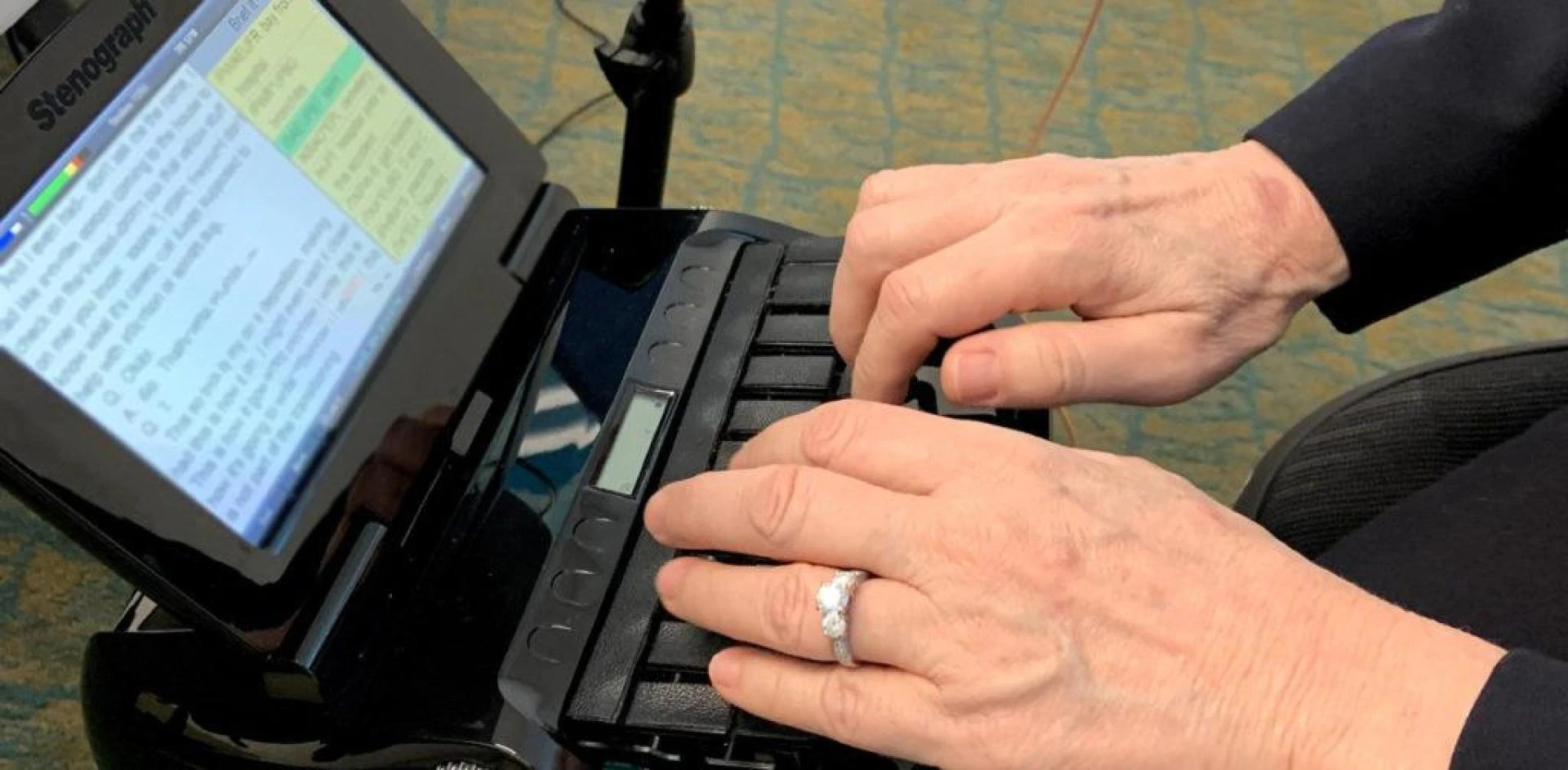

The evolution of legal proceedings has brought significant changes to the way court reporting services are delivered. The option of using a remote court reporter has grown in popularity, particularly with the increased reliance on virtual communication. While in-person court reporters have long been the standard, remote professionals offer a viable alternative in many scenarios. This shift raises the question of whether remote court reporters are replacing their in-person counterparts or if both options will continue to coexist. Exploring the roles and unique advantages of each type can help legal professionals make informed decisions about which option best suits their needs.
Factors to Consider When Choosing Your Reporter
Selecting the right court reporter requires careful consideration of several factors. The specific needs of the legal proceeding, the location of the parties involved, and the desired method of transcription all play a role in determining whether to opt for a remote or in-person court reporter.
Accuracy is a top priority, and both remote and in-person court reporters are trained to deliver precise transcripts. However, the choice between the two often hinges on logistical and technological considerations. For instance, remote court reporting is an excellent solution for depositions involving participants in multiple locations, while in-person court reporters may be preferable for highly technical or complex cases requiring immediate on-site support.
Another important factor is the level of interaction required. In-person court reporters offer the advantage of face-to-face communication, which can be crucial in certain situations. On the other hand, remote court reporters bring flexibility and convenience, allowing proceedings to continue without the constraints of physical presence.
In-Person Court Reporters
In-person court reporters have been the backbone of the legal transcription process for decades. Their physical presence in the courtroom or deposition setting allows for real-time adjustments and direct interaction with attorneys, witnesses, and other participants. This immediacy can be especially valuable in cases where on-the-spot clarification is necessary.
The reliability of in-person court reporters is another key advantage. They are less dependent on technology, which reduces the risk of disruptions caused by internet outages or software malfunctions. This makes them a preferred choice for legal professionals who prioritize a seamless and traditional approach to court reporting.
However, in-person court reporters may be limited by geographical availability and scheduling constraints. Travel expenses and logistical challenges can also add to the cost, particularly for cases that involve participants from different regions. These limitations highlight the need for alternative solutions, such as remote court reporters, in certain scenarios.
Online Court Reporters
Online court reporters, also known as remote court reporters, provide a modern alternative to traditional court reporting. They leverage advanced technology to deliver accurate and timely transcripts, often working from locations far removed from the actual proceedings.
The primary advantage of online court reporters is their flexibility. They enable legal professionals to conduct depositions and hearings with participants from various locations, eliminating the need for travel and associated expenses. This makes remote court reporting an attractive option for legal teams looking to streamline their processes and reduce costs.
Technological advancements have significantly enhanced the reliability of remote court reporters. High-quality audio and video conferencing tools ensure clear communication, while secure cloud-based storage allows for easy access to transcripts and recordings. These features make online court reporters a practical choice for many legal proceedings, particularly in an era where virtual communication is widely accepted.
Online Court Reporters with a Customer Focus
While technology is a key component of remote court reporting, the human element remains just as important. Online court reporters who prioritize customer service and responsiveness can offer a level of professionalism that rivals or even surpasses in-person reporters.
A customer-focused remote court reporter ensures that every detail is attended to, from managing technical setups to addressing specific requests from attorneys and clients. They understand the importance of clear communication and go the extra mile to provide a seamless experience for all parties involved.
This emphasis on customer service sets some remote court reporters apart from their peers. It demonstrates that even in a virtual setting, personalized attention and dedication to quality remain at the forefront of their work. As legal professionals increasingly recognize the value of customer-focused online court reporters, the demand for these services continues to grow.
Balancing Tradition and Innovation
The legal field often balances tradition with innovation, and the rise of remote court reporters is a testament to this dynamic. While in-person court reporters maintain their relevance in many contexts, the flexibility and convenience of remote court reporting cannot be overlooked.
Both options have their unique advantages, and the choice often depends on the specific requirements of the case. For example, a high-profile trial with complex legal arguments may benefit from the immediate presence of an in-person court reporter. Conversely, a remote deposition involving participants in multiple locations may be better suited for an online court reporter.
Understanding the strengths and limitations of each option allows legal professionals to make informed decisions that best meet the needs of their clients and cases.
Conclusion: The Role of Remote Court Reporters
While remote court reporters are not replacing in-person ones entirely, they are providing a valuable alternative that meets the needs of an increasingly interconnected world. The choice between the two depends on factors such as logistical requirements, technological infrastructure, and the specific demands of the legal proceeding. Whether opting for the reliability of an in-person reporter or the flexibility of a remote court reporter, legal professionals can rest assured that both options are equipped to deliver accurate and professional results. This coexistence ensures that court reporting continues to evolve while maintaining the high standards expected in the legal field.















Sign in to leave a comment.