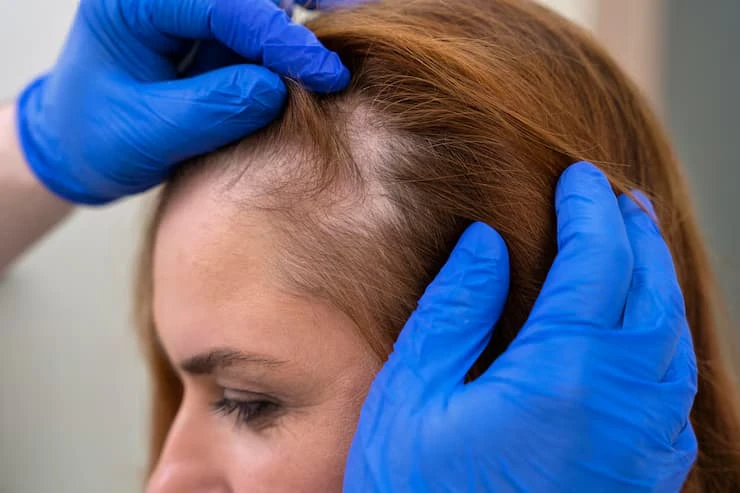

Alopecia, a condition characterized by hair loss, affects millions of people worldwide and can have a profound impact on an individual's self-esteem and quality of life. With advancements in medical technology, various treatments have emerged to combat hair loss, among which platelet-rich plasma (PRP) therapy has gained significant attention. In Leeds, clinics are increasingly offering PRP as a potential solution for alopecia. This article explores the effectiveness of PRP for treating alopecia treatment leeds, insights from practitioners in Leeds, and what patients can expect from the treatment process.
Understanding Alopecia
Alopecia is a term used to describe hair loss that can manifest in several forms, the most common being:
1. Androgenetic Alopecia
Also known as male or female pattern baldness, androgenetic alopecia is a hereditary condition that affects both men and women. It typically causes thinning of hair on the crown and frontal areas of the scalp.
2. Alopecia Areata
Alopecia areata is an autoimmune condition that results in sudden hair loss in patches. The immune system mistakenly attacks hair follicles, leading to hair loss that can occur anywhere on the body, including the scalp, beard, and eyebrows.
3. Telogen Effluvium
Telogen effluvium is a temporary form of hair loss that occurs after stress, shock, or traumatic events. It typically results in diffuse thinning of hair across the scalp.
Understanding the type of alopecia is crucial for determining the most effective treatment options, and PRP therapy is often considered for various forms of hair loss.
What is PRP Therapy?
Platelet-rich plasma (PRP) therapy involves drawing a small amount of the patient’s blood, which is then processed to concentrate the platelets and growth factors. This PRP is injected into the scalp to stimulate hair follicles and promote hair growth. The theory behind PRP therapy is that the growth factors in the platelets can enhance cellular repair and regeneration, thereby revitalizing dormant hair follicles.
How PRP Works
- Blood Collection: A healthcare professional draws a small amount of blood from the patient, typically from the arm.
- Centrifugation: The blood is placed in a centrifuge, which spins the blood at high speeds to separate its components. This process isolates the platelet-rich plasma from the red blood cells and other components.
- Injection: The concentrated PRP is injected into the scalp in areas experiencing hair thinning or loss. The injections may be administered using a fine needle and can be performed with minimal discomfort.
- Activation of Hair Follicles: Once injected, the growth factors in the PRP are believed to stimulate hair follicles, increase blood flow to the scalp, and promote new hair growth.
Insights from Leeds Clinics on PRP for Alopecia
1. Efficacy of PRP Therapy
Clinics in Leeds have reported varying degrees of success with PRP therapy for alopecia. Many practitioners emphasize that while PRP can be effective, results may vary based on individual factors such as the type of alopecia, the extent of hair loss, and the patient's overall health.
Case Study: Female Pattern Hair Loss
One clinic in Leeds treated a 35-year-old woman suffering from androgenetic alopecia. After three PRP sessions spaced four weeks apart, she reported noticeable improvements in hair density and thickness. The practitioner noted that the patient’s response to treatment was indicative of PRP’s potential, particularly for women in the early stages of hair loss.
2. Types of Alopecia Responding to PRP
While PRP therapy has shown promise for various types of alopecia, clinics in Leeds have observed the best results in specific cases:
- Androgenetic Alopecia: PRP is often used for both men and women with pattern baldness. Clinics have noted that early intervention tends to yield the best outcomes.
- Alopecia Areata: Some clinics have reported positive responses to PRP in patients with alopecia areata, particularly when combined with other treatments.
- Telogen Effluvium: Patients experiencing temporary hair loss due to stress or illness have also benefited from PRP treatment, as it can help accelerate the regrowth process.
3. Treatment Protocols and Sessions
Most clinics in Leeds recommend a series of PRP sessions for optimal results. The typical protocol involves:
- Initial Sessions: Patients usually undergo three to four treatment sessions spaced about four to six weeks apart.
- Maintenance: After the initial series, maintenance treatments may be recommended every six to twelve months to sustain results.
The exact number of sessions and maintenance requirements will vary based on individual responses to treatment, and practitioners often customize plans to meet each patient’s needs.
Benefits of PRP Therapy for Alopecia
- Natural Treatment: Since PRP uses the patient's own blood, the risk of allergic reactions or complications is minimal. This natural approach appeals to many patients seeking non-invasive solutions.
- Minimal Downtime: PRP therapy is a non-surgical procedure, and patients can typically return to their daily activities immediately after treatment. Some may experience mild redness or swelling at the injection sites, but these effects usually resolve quickly.
- Potential for Improved Hair Quality: In addition to promoting hair growth, PRP therapy may enhance the overall quality of the hair, making it thicker and healthier.
- Non-Invasive Option: For patients who are hesitant about surgical interventions such as hair transplants, PRP offers a less invasive alternative with promising results.
Limitations and Considerations
While PRP therapy has shown potential benefits, it is essential for patients to understand its limitations:
- Variable Results: Not all patients will respond to PRP therapy, and the degree of hair regrowth can differ significantly from person to person. Some individuals may experience substantial improvements, while others may see minimal changes.
- Not a Cure: PRP therapy is not a cure for alopecia. It may help stimulate hair growth but does not address the underlying causes of hair loss. Patients should be aware that ongoing treatments may be necessary to maintain results.
- Cost Considerations: The cost of PRP therapy can vary widely among clinics in Leeds. Patients should inquire about pricing and any potential additional costs associated with follow-up treatments.
- Consultation Importance: Before undergoing PRP therapy, patients should consult with qualified practitioners to evaluate their specific type of alopecia and determine whether PRP is an appropriate treatment option for their needs.
Real Patient Experiences
Insights from patients in Leeds who have undergone PRP therapy for alopecia provide valuable perspectives on the treatment's effectiveness and impact on their lives.
Case Study: Mark’s Experience
Mark, a 40-year-old man, experienced significant hair thinning due to androgenetic alopecia. After researching options, he decided to pursue PRP therapy at a clinic in Leeds. After his first two sessions, Mark began to notice new hair growth in areas that had previously been thinning. By the end of his treatment plan, he felt more confident in his appearance and appreciated the natural approach PRP offered.
Case Study: Lily’s Journey
Lily, a 28-year-old woman, struggled with alopecia areata, experiencing sudden patchy hair loss. After discussing her options with a practitioner, she began PRP therapy in conjunction with topical treatments. Over several months, Lily observed significant regrowth in previously bald areas. She praised the supportive environment at the clinic and felt empowered by her progress.
Conclusion
In conclusion, PRP therapy has emerged as a promising option for individuals seeking effective treatments for alopecia in Leeds. While results may vary, many clinics report positive outcomes, particularly for those experiencing androgenetic alopecia and alopecia areata. By providing a natural, non-invasive approach to hair restoration, PRP therapy appeals to a wide range of patients.
If you are considering PRP therapy as a solution for your alopecia, reach out to Este Medical Group Leeds. Discover how personalized care and advanced treatments can help you regain your confidence and achieve your hair restoration goals—contact Este Medical Group Leeds today to schedule your consultation!











Sign in to leave a comment.