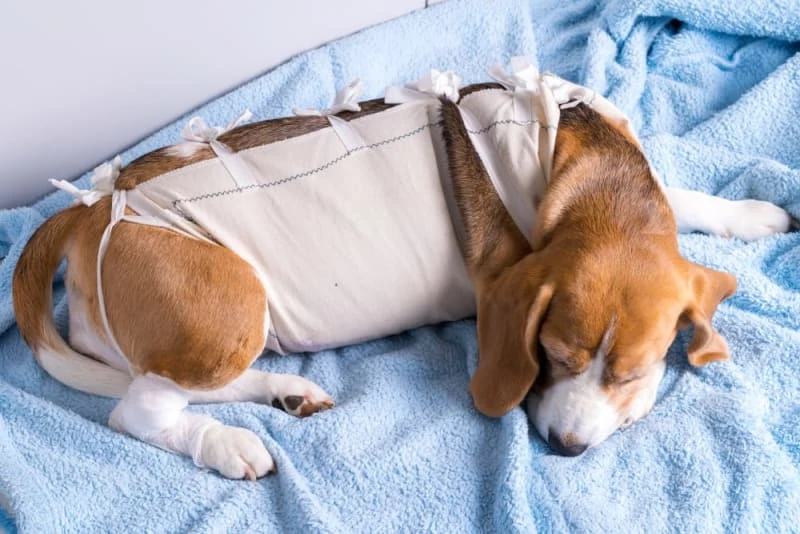

Helping your pet heal properly after surgery is one of the most important responsibilities of dog ownership. Dog Neuter Recovery is usually smooth and straightforward, but knowing what to expect can reduce stress for both you and your furry companion. From feeding schedules to activity restrictions and comfort tips, every detail matters in ensuring a safe and speedy return to normal life.
Neutering is a common surgical procedure performed by licensed veterinarians to prevent reproduction and reduce certain behavioral and health risks. During Dog Neuter Recovery, your dog’s body needs time to heal internally and externally. Proper care during the first 10–14 days can make a significant difference in preventing complications.
This guide will walk you through everything you need to know about Dog Neuter Recovery, including feeding advice, activity limits, wound care, and signs that require veterinary attention.
Understanding the Dog Neuter Procedure
Neutering is the surgical removal of a male dog’s testicles under general anesthesia. It is considered a routine operation performed by professionals worldwide, including organizations like American Veterinary Medical Association.
The procedure itself is typically quick, often completed within 20–30 minutes. However, Dog Neuter Recovery extends beyond the operating room. While the incision is small, internal healing takes time, and your dog may experience mild discomfort, swelling, or grogginess in the first 24 hours.
During Dog Neuter Recovery, it is normal for your dog to:
- Feel sleepy due to anesthesia
- Have reduced appetite initially
- Show mild swelling near the surgical site
- Move more slowly than usual
Understanding these early symptoms will help you monitor progress and respond appropriately.
The First 24 Hours After Surgery
The first day is the most critical stage of Dog Neuter Recovery. Your dog may still be affected by anesthesia, leading to drowsiness or slight disorientation. Keep them in a quiet, warm, and comfortable space away from stairs or high furniture.
If your procedure was performed at Park Hills Animal Hospital, the veterinary team will typically provide discharge instructions tailored to your dog’s size, age, and overall health. Following these instructions precisely is essential for smooth Dog Neuter Recovery.
During the first 24 hours:
- Offer small amounts of water initially
- Provide half-size meals if your dog seems interested
- Prevent jumping or running
- Monitor the incision for bleeding or discharge
A calm environment promotes better Dog Neuter Recovery, especially during the sensitive post-anesthesia phase.
Feeding Guidelines During Recovery
Feeding plays a crucial role in Dog Neuter Recovery. While some dogs return to their normal appetite within hours, others may take a day to regain interest in food.
Day 1 Feeding Tips
- Start with a light meal (half portion)
- Avoid fatty or new foods
- Ensure fresh water is always available
If vomiting occurs once, remove food temporarily and reintroduce it slowly. However, repeated vomiting during Dog Neuter Recovery should be reported to your veterinarian.
Adjusting Long-Term Diet
After neutering, dogs may experience slight metabolic changes. During Dog Neuter Recovery, it’s a good time to evaluate calorie intake. Reduced hormone levels can lower energy needs, making portion control important to prevent weight gain.
Maintaining balanced nutrition supports tissue repair and speeds up Dog Neuter Recovery. Protein-rich, vet-approved diets help healing while avoiding excessive calories.
Managing Activity and Exercise Restrictions
One of the biggest challenges in Dog Neuter Recovery is limiting activity. Even if your dog appears energetic within a few days, internal healing is still underway.
First 7–10 Days
- No running
- No jumping
- No rough play
- Short leash walks only for bathroom breaks
Excessive movement during Dog Neuter Recovery can reopen the incision or cause internal swelling. Crate rest or confinement to a small room can help reduce overexertion.
Gradually reintroduce normal activity after your veterinarian confirms healing is complete. Patience is key to successful Dog Neuter Recovery.
Incision Care and Monitoring
Proper wound care is central to Dog Neuter Recovery. Check the incision twice daily in a well-lit area.
What’s Normal:
- Slight redness
- Mild swelling
- Small scab formation
What’s Not Normal:
- Pus or yellow discharge
- Strong odor
- Excessive redness
- Opening of stitches
If your dog tries to lick or chew the incision, use an Elizabethan collar (cone). Preventing licking is one of the most important aspects of Dog Neuter Recovery, as saliva introduces bacteria and delays healing.
Do not apply ointments unless specifically instructed. Keeping the area clean and dry ensures smoother Dog Neuter Recovery.
Providing Comfort and Reducing Stress
Comfort directly affects Dog Neuter Recovery. Create a calm recovery space with soft bedding and limited noise.
Tips for Comfort:
- Use clean blankets
- Keep room temperature stable
- Provide gentle reassurance
- Avoid crowded areas
Pain medications prescribed by your veterinarian must be administered exactly as directed. Never give human medications during Dog Neuter Recovery, as many are toxic to dogs.
Emotional support matters too. Gentle petting and calm companionship can ease anxiety and promote smoother Dog Neuter Recovery.
Behavioral Changes After Neutering
Behavioral shifts may occur gradually after surgery. While Dog Neuter Recovery focuses on physical healing, hormonal changes may influence temperament over time.
Some dogs may:
- Show reduced roaming behavior
- Decrease marking
- Exhibit calmer energy levels
However, training and environment still play major roles. Dog Neuter Recovery is not an instant behavioral fix, but it can positively support long-term habits.
Consistency in routine helps your dog feel secure throughout Dog Neuter Recovery.
When to Call the Veterinarian
Although most cases of Dog Neuter Recovery are uncomplicated, knowing warning signs is essential.
Contact your veterinarian if you notice:
- Persistent vomiting
- Refusal to eat beyond 48 hours
- Lethargy lasting more than two days
- Bleeding from the incision
- Swelling increasing after day three
Prompt attention can prevent minor issues from becoming serious complications during Dog Neuter Recovery.
If stitches are non-dissolvable, schedule a follow-up appointment for removal. Completing all recommended checkups ensures safe and complete Dog Neuter Recovery.
Long-Term Care After Recovery
Once the initial 10–14 days of Dog Neuter Recovery are complete, most dogs return fully to normal activity. At this stage:
- Resume regular exercise gradually
- Monitor weight changes
- Maintain routine veterinary visits
- Continue balanced feeding habits
Long-term health benefits of neutering include reduced risk of testicular cancer and certain prostate issues. Completing Dog Neuter Recovery properly sets the foundation for a healthier future.
Remember, every dog heals at a slightly different pace. Close observation, patience, and proper care make Dog Neuter Recovery a manageable and positive experience.
Final Thoughts
A smooth Dog Neuter Recovery depends on attentive care, restricted activity, balanced nutrition, and consistent monitoring. By following veterinary instructions and creating a comfortable healing environment, you greatly reduce the risk of complications.
Whether your dog is young or mature, recovery requires patience and supervision. With the right approach, Dog Neuter Recovery becomes a short and manageable phase that leads to lifelong health benefits.
If you ever feel uncertain during the healing process, consult your veterinarian promptly. Proper guidance ensures your dog remains safe, comfortable, and on track throughout Dog Neuter Recovery.








Sign in to leave a comment.