For a parent of a child with special needs, the search for the right support system is a journey of the heart. You are not just looking for a service; you are looking for a sanctuary—a place that sees your child’s potential, not just their challenges. You seek an environment where educational goals and therapeutic healing are not separate paths, but one unified journey. This is the very philosophy that defines the approach at Sedum School, a pioneering institution dedicated to nurturing the whole child.
When you first learn about Sedum School, it becomes clear that this is more than a conventional learning center. It is a vibrant ecosystem designed for growth, where the line between the classroom and the therapy room gracefully dissolves. The mission is holistic: to weave together specialized academics, targeted therapies, and essential life skills into a single, personalized tapestry of development for each student.
The Integrated Framework: Where Learning and Healing Converge
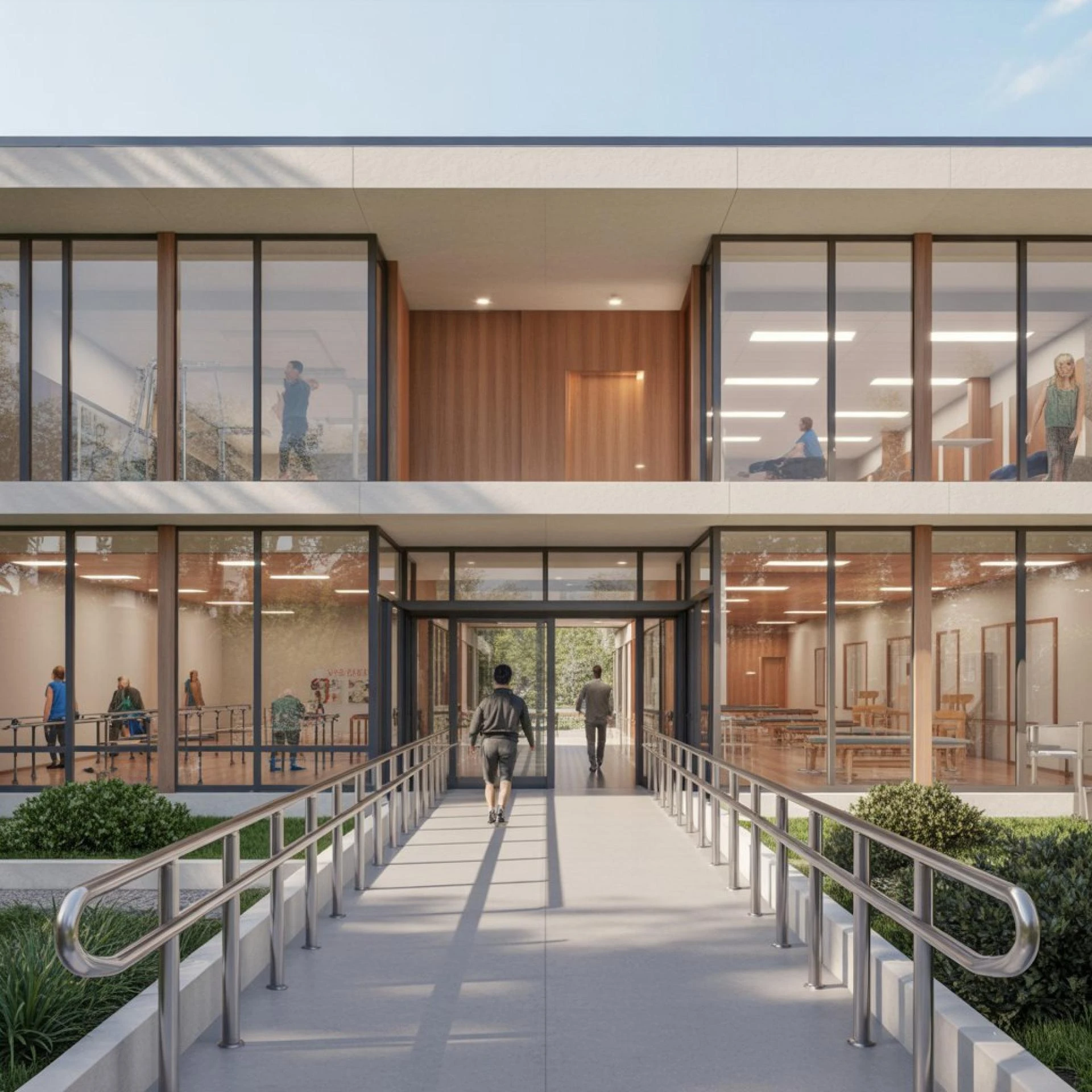
What truly sets a center like Sedum School apart is its rejection of a compartmentalized approach. Instead of a child navigating disconnected appointments for speech, occupational therapy, and academics, every intervention is coordinated under one roof by a collaborative team of experts. This ensures that a breakthrough in one area directly fuels progress in another.
This multidisciplinary team typically includes:
- Special Education Specialists: These educators are trained in methodologies like Applied Behavior Analysis (ABA), TEACCH, and multi-sensory instruction. They transform standard curricula into accessible, engaging lessons that respect each child's unique learning pace and style, building academic confidence from the ground up.
- Occupational Therapists (OTs): For many children, the physical world presents the first barrier to learning. OTs at Sedum School work on crucial skills like fine motor control for writing, sensory integration to help manage environmental stimuli, and activities of daily living (ADLs) such as dressing and feeding, which are fundamental to self-reliance.
- Speech and Language Pathologists (SLPs): Communication is the bridge to connection. SLPs here focus not only on articulation and vocabulary but also on the pragmatic aspects of language—understanding social cues, taking turns in conversation, and expressing emotions. For non-verbal children, they introduce and champion Alternative and Augmentative Communication (AAC) devices, giving every child a voice.
- Behavioral Therapists and Counselors: Emotional well-being is the foundation of all learning. These specialists provide strategies for emotional regulation, anxiety management, and social skills development. By creating a predictable and positive environment, they help reduce challenging behaviors, making children more available for learning and social interaction.
The Ripple Effect of a Unified Community
The magic of this model lies in its synergy. The occupational therapist might share a sensory strategy with the teacher to help a child focus during circle time. The speech therapist might work with the parents to reinforce communication goals at home. This creates a consistent, 360-degree support system that wraps around the child and the family.
For parents, this integrated model offers immense relief. It replaces the logistical nightmare of coordinating with multiple, disconnected providers with the comfort of a single, trusted team. Parents become partners, receiving consistent communication and practical guidance, transforming them from anxious observers into empowered advocates for their child's growth.
Choosing the right environment is the most critical step. It’s about finding a place that feels like a second home—a place where your child is known, valued, and celebrated. It’s about finding a team that looks beyond diagnoses to focus on possibilities.
In the end, the journey with a special child is about nurturing growth in its many forms. By embracing a holistic model, a center like Sedum School provides the fertile ground where children can truly blossom, building not just academic skills, but the confidence and independence to engage with the world on their own terms.













Sign in to leave a comment.