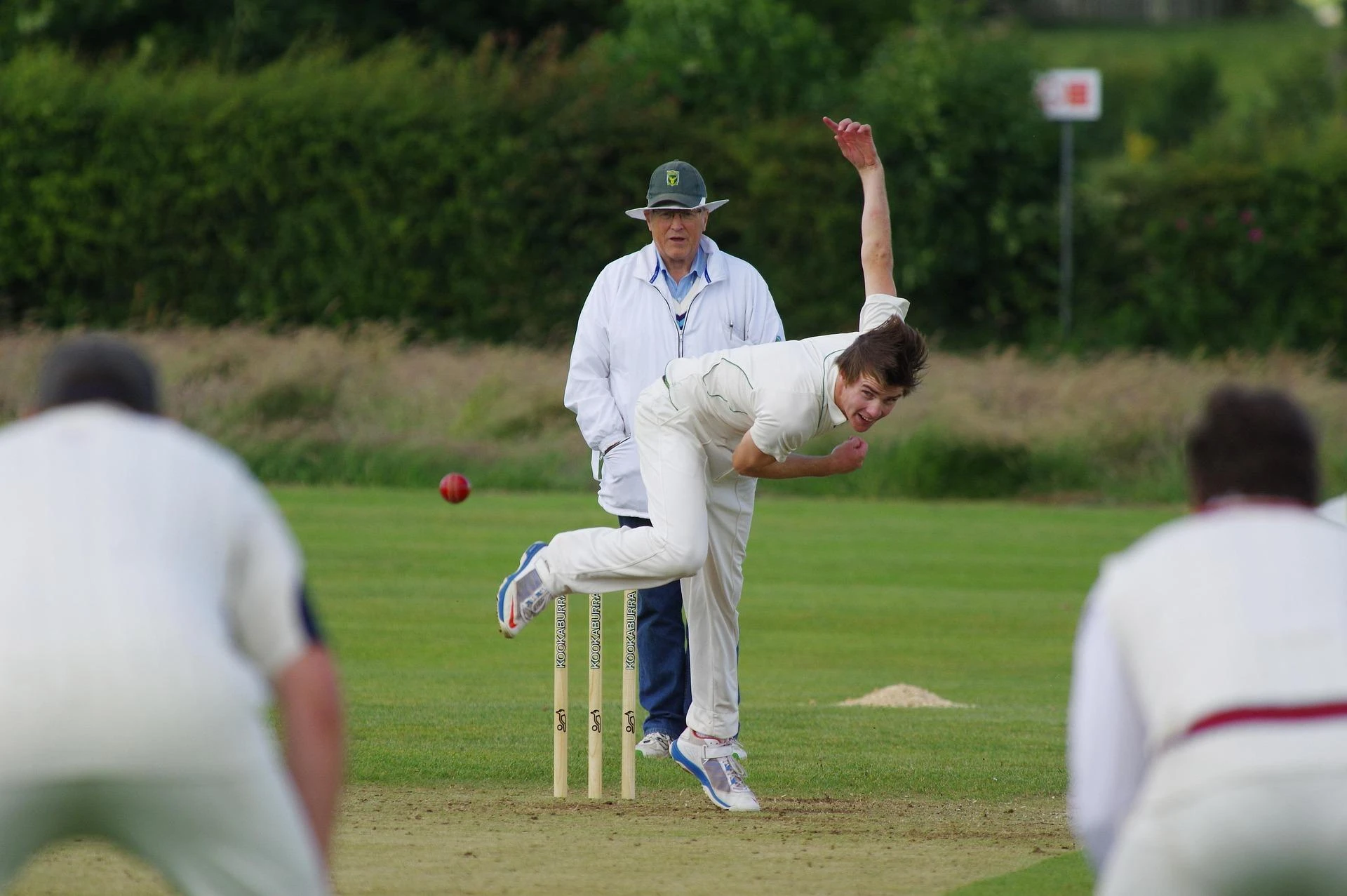
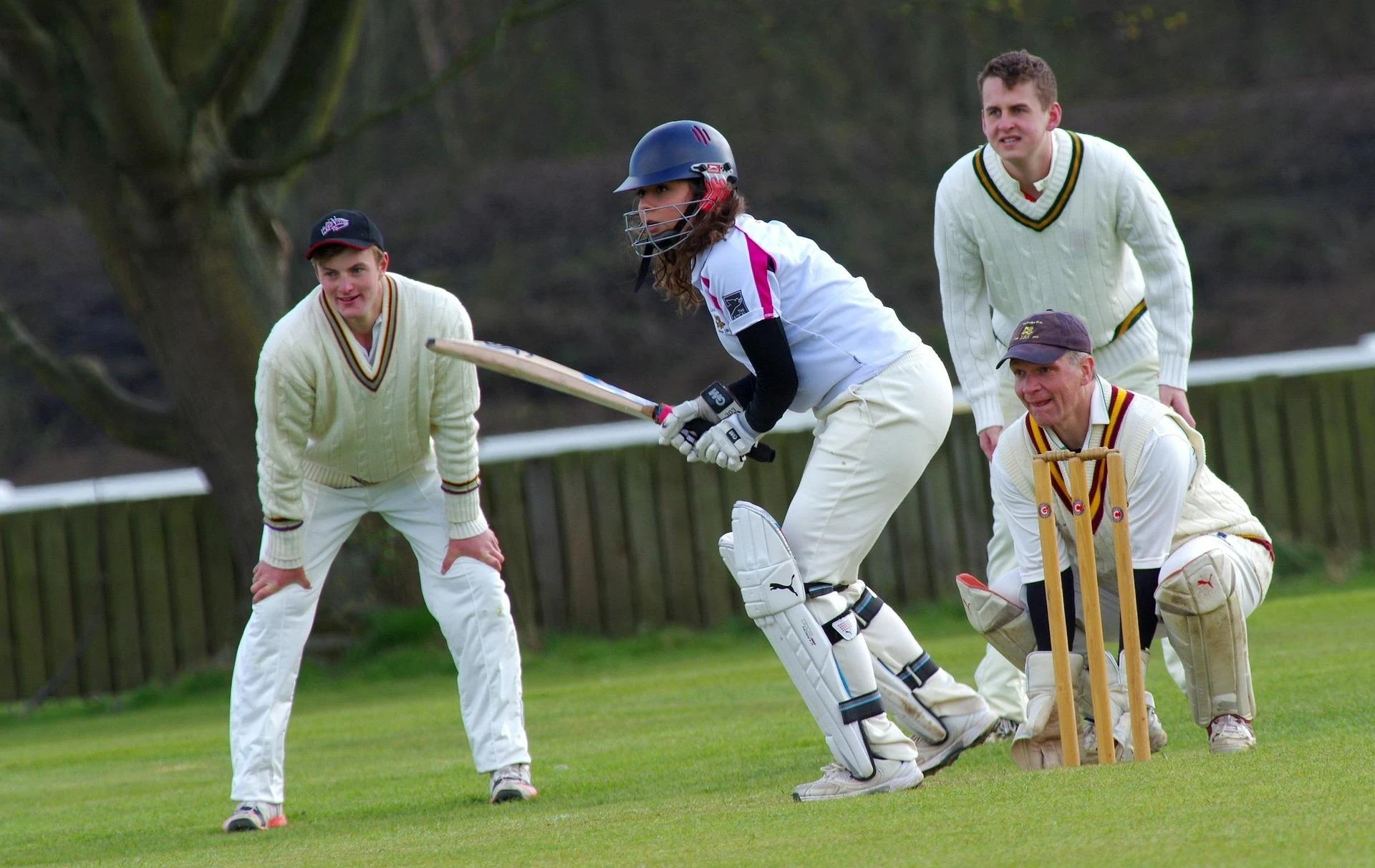
The United States has been recognized as the birthplace of basketball, baseball, and the Super Bowl for over a century. However, in the summer of 2024, cricket, another bat-and-ball sport, gained popularity in American parks, stadiums, and on TV.
In addition to broadening cricket's global reach, the ICC Men's T20 World Cup 2024, which was co-hosted by the US and the West Indies, sparked a movement. From Silicon Valley tech parks to suburban playing fields, from New York to Dallas, America uncovered a sport that had been evading notice for decades.
Additionally, Americans were no longer merely interested bystanders for the first time. They were believers, supporters, and participants.
An Important First Step
The introduction of cricket to America wasn't wholly novel. The game had long been maintained in local tournaments and small leagues by immigrant communities from South Asia, the Caribbean, and the United Kingdom. However, the United States hosting matches of a significant ICC global event in 2024 was a historic first.
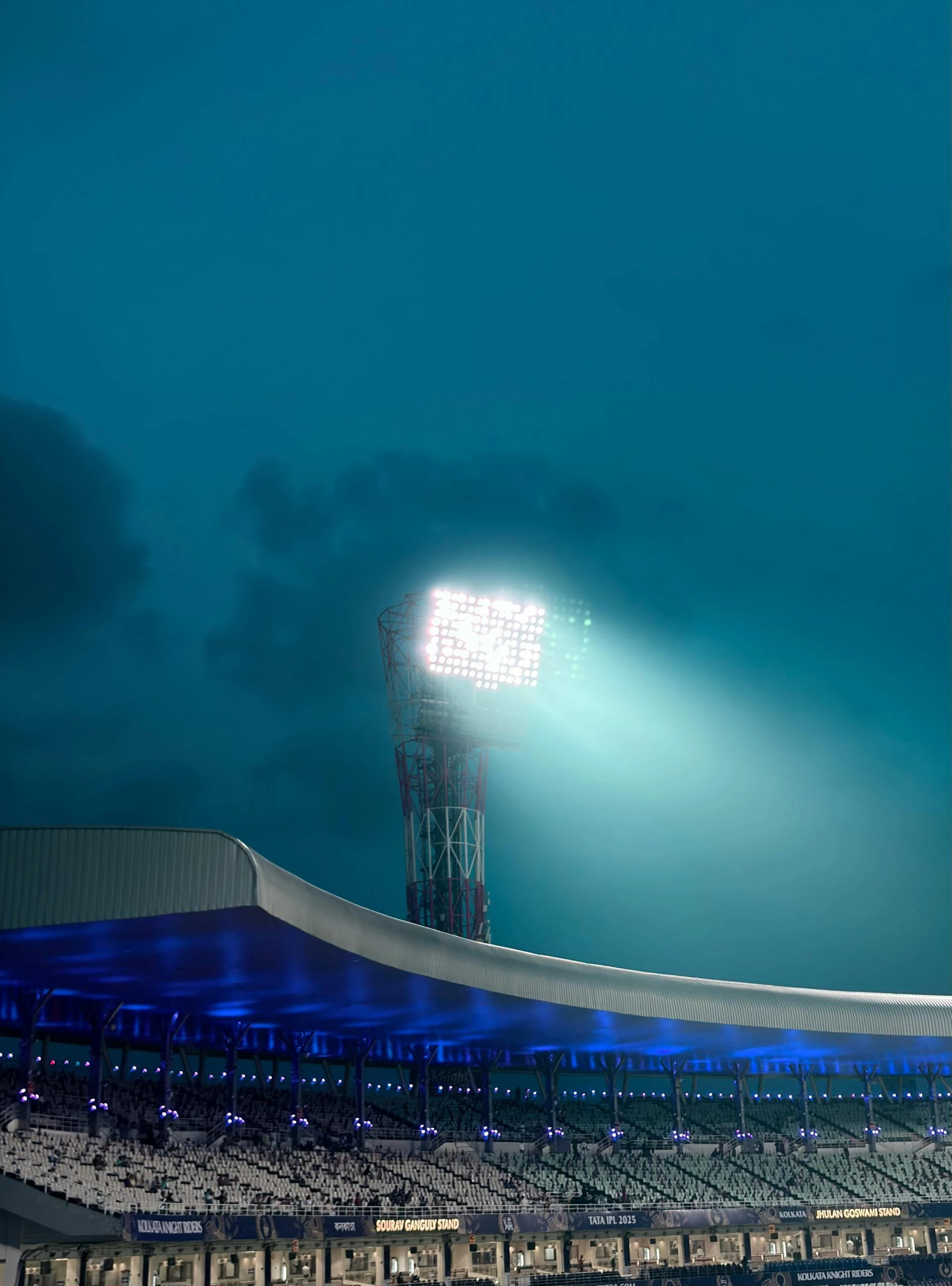
Stadiums in Dallas, Florida, and New York were converted into vibrant hubs of multicultural activity. The center of the action was the Nassau County International Cricket Stadium, which was built in record time. Indian, Pakistani, Caribbean, British, and American fans gathered under one roof, chanting, dancing, and waving flags.
The images were electrifying. In one of the most anticipated matches of the decade, New Yorkers waited in blocks-long lines to watch India play Pakistan. Even casual American sports fans started to wonder, "What is cricket, and why is everyone talking about it?" as Live Cricket Scores became popular on social media sites like ESPN and X (formerly Twitter).
At last, the sport had arrived—not as an import, but as an experience.
From Underdogs to National Heroes: The USA Team
Although hosting the tournament was important, what really won people over was the USA national team's performance. The U.S. team, which went into the tournament ranked 18th in the world—hardly a contender—was made up of immigrants, part-time cricket players, and ardent dreamers. However, their accomplishments changed the course of cricket history.
One of the biggest upsets in World Cup history occurred when the United States shocked Pakistan in a thrilling Super Over match during their debut. The cricket world was rocked by their poise under duress, which was led by captain Monank Patel and featured outstanding performances from Aaron Jones and Saurabh Netravalkar.
All of a sudden, American sports talk shows that were more used to talking about home runs and touchdowns were analyzing powerplays, yorkers, and googlies.
The triumph over Pakistan was a cultural event as much as a sporting upset. It confirmed the USA Cricket Association's and the diaspora's years of silent work, which had fostered the game in places like California, Texas, and New Jersey.
The U.S. team was trending at home as Live Cricket Scores flashed on international tickers, becoming national icons for the first time.
In the stands, a melting pot
The crowd, not just the cricket, was what really set this tournament apart.
American stadiums became cultural melting pots. You could hear Caribbean drums mingling with Bollywood beats in New York. Indian IT workers and Texan families sat side by side in Dallas, attempting to understand powerplays and LBWs.
During a live broadcast, an American viewer chuckled, saying, "Cricket is like baseball, but it never stops!" Another fan proudly held a placard that read, "From baseball bats to cricket bats – welcome home!" while wearing a star-studded outfit.
This was turning into an American spectacle rather than merely a South Asian diaspora event. The national anthem of the United States played before games with cries of "USA! USA!" reverberating through the stands, food vendors offered everything from burgers to samosas, and commentators seamlessly switched between accents.
The cross-pollination of cultures was significant. In the United States, cricket had discovered a new, inclusive identity that was dynamic, varied, and delightfully unpredictable.
The Digital Wave: How the Craze Was Caused by Technology
Digital media accelerated cricket's ascent in America. The U.S. fan base was created in the age of instant updates and mobile engagement, in contrast to traditional markets where cricket developed over generations.
Millions of people now have access to high-definition broadcasts thanks to streaming behemoths like Willow TV, ESPN+, and Disney Hotstar. For new fans attempting to understand the game, apps that provide live cricket scores, interactive commentary, and highlight reels served as the entry point.
Cricket's bite-sized content, such as 30-second thrillers, 10-second wickets, and six-second sixes, was specifically designed for social media. Videos of the USA's Super Over victory, fielding feats, and the electrifying atmosphere inside stadiums were all over TikTok and Instagram.
Essentially, technology made the unknown accessible, much like cable TV did for soccer in the 1990s. This is what technology did for cricket in America.
The Effect of Cultural and Economic Ripples
The 2024 T20 World Cup sparked a commercial awakening in addition to being a success in terms of runs and ratings.
Big American companies like Google and Nike started looking into joint ventures with cricket organizations. Plans for world-class stadiums were announced by cities like Los Angeles and Houston. In the months following the tournament, youth participation in cricket increased by more than 50% thanks to the launch of pilot programs at nearby schools and universities.
A significant boost was given to the franchise-based Major League Cricket (MLC), which was introduced in 2023. Foreign celebrities like Faf du Plessis and Sunil Narine became well-known to American fans, attendance doubled, and TV deals increased.
Cricket was flourishing, not just surviving.
Integration of cultures came naturally. Late-night talk shows made jokes about "maidens" and "googlies." While American YouTubers attempted to bat in viral videos, celebrities such as Hasan Minhaj and Priyanka Chopra attended matches.
A once-niche sport had unexpectedly gained popularity.
Obstacles to Come
However, there are still difficulties as cricket rides this new wave.
First and foremost, the United States needs to construct sustainable infrastructure, such as youth academies, improved training facilities, and more stadiums. Development at the grassroots level will be crucial. The sport runs the risk of continuing to be a diaspora-driven event if local talent is not developed.
Second, scheduling is still difficult. Given how crowded the American sports calendar is, it takes both smart timing and effective marketing to compete with the NFL, NBA, and MLB for fans' attention.
Last but not least, the ICC and USA Cricket need to make sure that the sport's recently discovered appeal doesn't wane after the World Cup memories fade. To maintain the flame, ongoing involvement—through youth programs, community events, and domestic leagues—is crucial.
A Worldwide Game Discovers a New Home
Notwithstanding the challenges, there is no denying that the 2024 T20 World Cup permanently altered the course of cricket in America.
The United States hosted a metamorphosis rather than merely a competition. Cricket now holds a tiny but expanding place in American culture, influencing everyone from Wall Street executives to Austin college students.
"The world's oldest game just found its newest audience," as one commentator aptly stated.
This was the ideal sport for the International Cricket Council, one that could transcend national boundaries and cultural boundaries. It demonstrated to the players that cricket could be played anywhere. It was also a developing romance for the fans.
In conclusion, the beginning of a new era
The 2024 T20 World Cup was a cultural revolution rather than just a competition. It demonstrated that cricket can flourish even in markets controlled by other titans if it is presented with a contemporary flair and a global perspective.
One thing is evident today, as young American cricket fans debate team selections, wear jerseys with both Indian and U.S. flags, and follow live cricket scores on their phones: cricket has crossed the Atlantic as a settler rather than a visitor.
Although the road ahead will be lengthy, the groundwork is solid. The ball has started spinning on American turf, and the willow has discovered new soil.
It appears that cricket's next big tale will be written in red, white, and blue.











Sign in to leave a comment.