
Choosing the right dumpster isn’t just a task on your to-do list—it directly affects your project’s timeline, budget, and safety. Underestimating waste volume leads to overfilled bins, costly delays, or even code violations. An informed dumpster rental decision helps ensure cleanup goes smoothly, whether you’re renovating a home or managing a worksite. Experts in the field often say, “The mistake isn’t choosing a small bin—it’s forgetting what goes in it.”
1. Waste materials determine what size works best
Different types of waste fill containers differently. Lightweight materials like cardboard, foam, or fabric might take up volume but stay under weight limits. Dense debris like tile, concrete, or hardwood quickly adds weight and can overload a bin long before it’s full. A bathroom remodel that seems manageable often ends up filling a 20-yard dumpster once drywall, fixtures, and broken tile pile up.
- Lightweight debris may need larger bins to prevent overflow
- Heavy materials often require smaller containers with higher weight ratings
- Mixed waste types should be estimated separately for volume and weight
2. Frontload dumpsters are best for regular business disposal
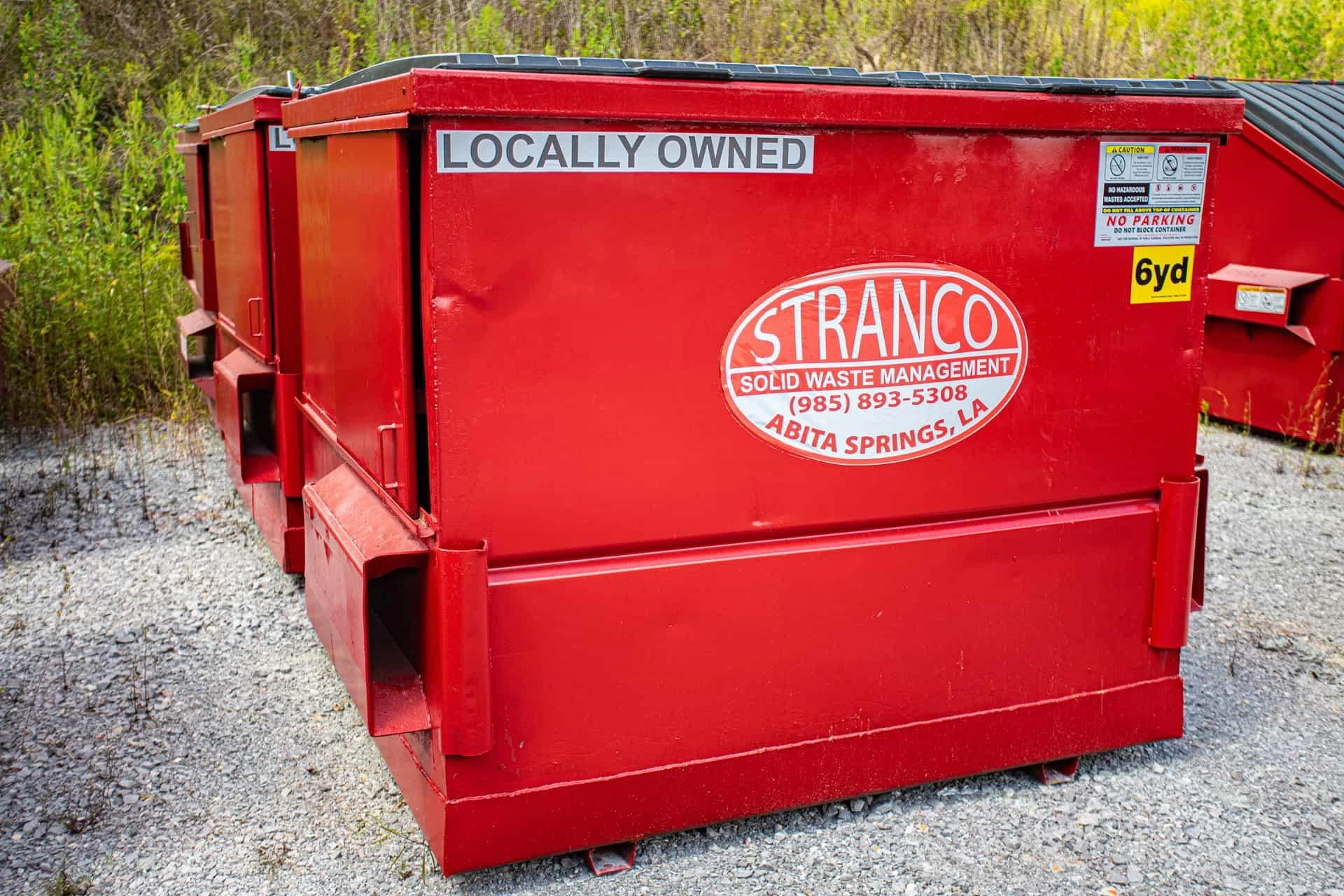
Ongoing commercial waste calls for a consistent solution. Frontload dumpsters, typically sized between 2 and 8 cubic yards, support routine pickups and fit neatly behind restaurants, clinics, and retail shops. Businesses with regular packaging, paper, or kitchen waste can avoid overfilling and fines by matching container size with collection frequency.
According to EPA data, U.S. businesses generate over 90 billion pounds of waste each year, with food service and retail making up a significant portion.
- 2-yard dumpsters serve low-output operations like small offices
- 6-yard bins are reliable for mid-size shops or busy cafés
- 8-yard containers are suited for high-volume waste such as hotel kitchens
3. Residential renovations often produce more debris than expected
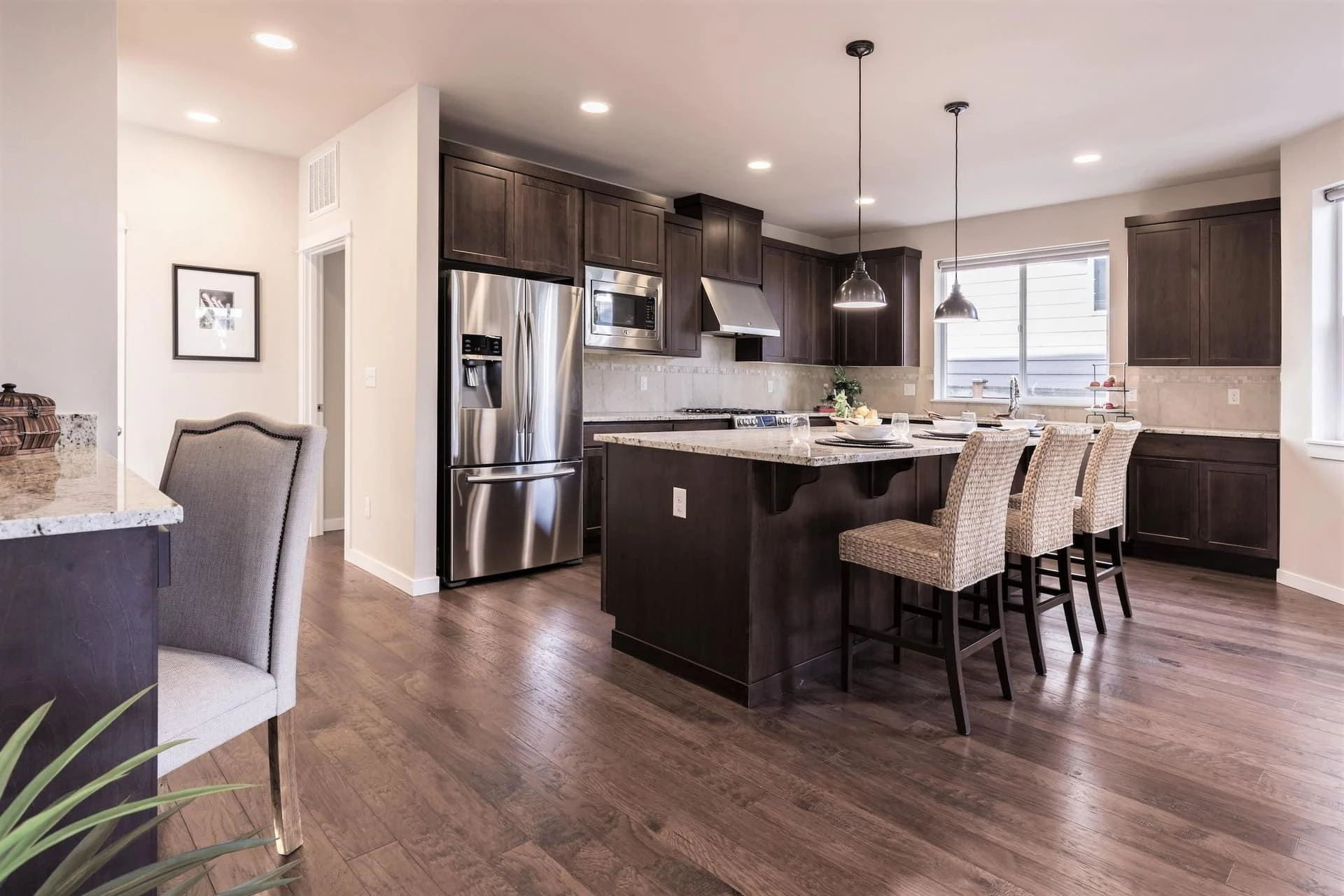
Home improvement projects generate layered debris—sheetrock, cabinetry, insulation, flooring, and fixtures all stack irregularly and waste space. A single kitchen or bath remodel can create enough waste to overflow a small dumpster within hours. Larger bins reduce interruptions and allow crews to work without stopping to wait for an exchange.
The National Association of Home Builders estimates remodeling can create up to 85 pounds of waste per square foot, depending on materials removed.
- Small projects like bathroom updates often need at least a 10-yard bin
- Mid-size renovations typically require a 15- or 20-yard dumpster
- Full kitchen tear-outs or multi-room upgrades may need 30 yards or more
4. 30 yard roll off dumpsters support major construction waste
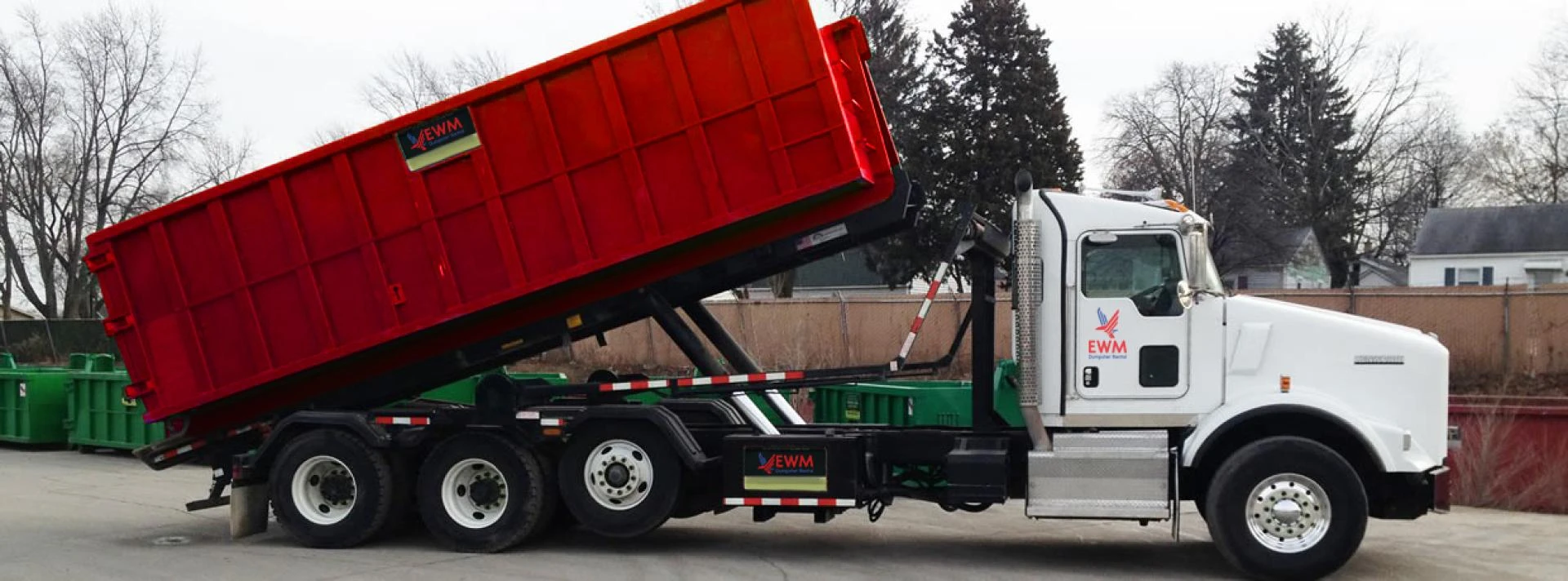
New builds, structural changes, or major demolitions generate more than just volume—they generate density. Broken concrete, roofing materials, framing lumber, and siding easily fill a 30 yard roll off dumpster within a few workdays. These bins handle varied and demanding loads without sacrificing maneuverability on most job sites.
According to the EPA, construction and demolition materials make up over 60% of total landfill waste in the U.S.
- 30-yard dumpsters hold up to 4 tons of mixed heavy material
- Effective for roofing jobs, home additions, or commercial renovations
- Fewer hauls help maintain a steady job site workflow
5. Pickup schedule must match waste output pace
Pickup timing plays a bigger role than people expect. A large bin won’t solve problems if it sits too long during a high-output period, especially for businesses managing perishable waste. Seasonal shifts, event schedules, or staffing changes often demand a quick review of both bin size and collection timing.
EPA guidance shows that service frequency directly impacts sanitation and compliance in commercial settings.
- Steady waste producers need frequent pickups with right-size bins
- Flexible schedules help adjust to high-demand periods
- Overflow risks increase when bin size isn’t paired with timely service
6. Property access controls which bin sizes are possible
Space limitations often prevent ideal dumpster placement. Narrow alleys, low-hanging wires, trees, or steep driveways can block roll off delivery and make large bins impractical. In many cases, a mid-size container is the better choice—not because of volume, but because of layout constraints.
Measuring available space before booking delivery helps avoid costly changes on drop-off day.
- Roll off trucks need at least 60 feet of straight access
- Vertical clearance should be 14 feet or more for bin placement
- Permits may be required if placement impacts public space
7. Weight caps and banned items influence what goes in
Weight limits aren’t suggestions—they’re enforced. Filling a dumpster halfway with concrete or shingles may already exceed the maximum load for transport. Many municipalities also enforce rules that restrict disposal of hazardous materials like electronics, paints, and batteries.
The EPA outlines specific regulations for disposing of toxic or electronic waste, and improper dumping can result in fines.
- Exceeding weight limits can trigger additional charges or load refusals
- Hazardous items must be kept out of general waste containers
- Sorting materials before disposal helps ensure smooth pickup
Key takeaways for choosing the right dumpster rental size
Planning ahead with a realistic understanding of debris type, weight, and pickup timing can save time, money, and frustration. Whether handling a residential project or managing commercial operations, choosing the right dumpster rental means thinking beyond volume—space, rules, and logistics matter just as much.
- Estimate waste by both volume and density before choosing
- Frontload bins work best for scheduled, ongoing business use
- Renovation debris often demands more room than expected
- Construction sites benefit from durable, high-capacity roll offs
- Access, regulations, and service timing all factor into rental success
Frequently Asked Questions
What size dumpster is best for a small kitchen remodel?
A 15-yard dumpster is typically sufficient, but 20 yards provides extra space for unexpected debris.
Can I rent a dumpster for just one day?
Yes, many services offer flexible rental periods, though minimum charges may apply.
Is there a difference between weight limit and volume capacity?
Yes. A dumpster may be full by weight before it's full by space, especially with dense materials.
Are permits required for driveway placement?
Usually no, but placement on public roads or sidewalks often requires a short-term permit.
What happens if my bin is too heavy to haul?
You may need to unload part of the contents, or pay overweight fees before it can be moved.












Sign in to leave a comment.