
In the fast-evolving realm of digital finance, terms like e-money tokens and cryptocurrencies frequently pop up. While both represent new ways to think about money, they are fundamentally different in their design, purpose, and regulation. This article will help you understand what each is and how they differ in a way that's easy to grasp.
What Are E-Money Tokens?
E-money tokens are digital representations of traditional fiat currencies. They are issued by regulated financial institutions and backed by actual reserves of fiat money, ensuring that each token can be exchanged for a specific amount of traditional currency.
Key Characteristics of E-Money Tokens:
Regulated: Issued and controlled by financial institutions that adhere to stringent regulatory frameworks.Stable Value: Their value is directly pegged to the fiat currency they represent (e.g., 1 e-money token = 1 USD).Consumer Protection: High level of regulatory oversight provides protection and guarantees similar to traditional banking.Example: Imagine having $100 in e-money tokens. This digital money is as good as the $100 in your bank account because it’s backed by real dollars held by the issuer.
What Are Cryptocurrencies?
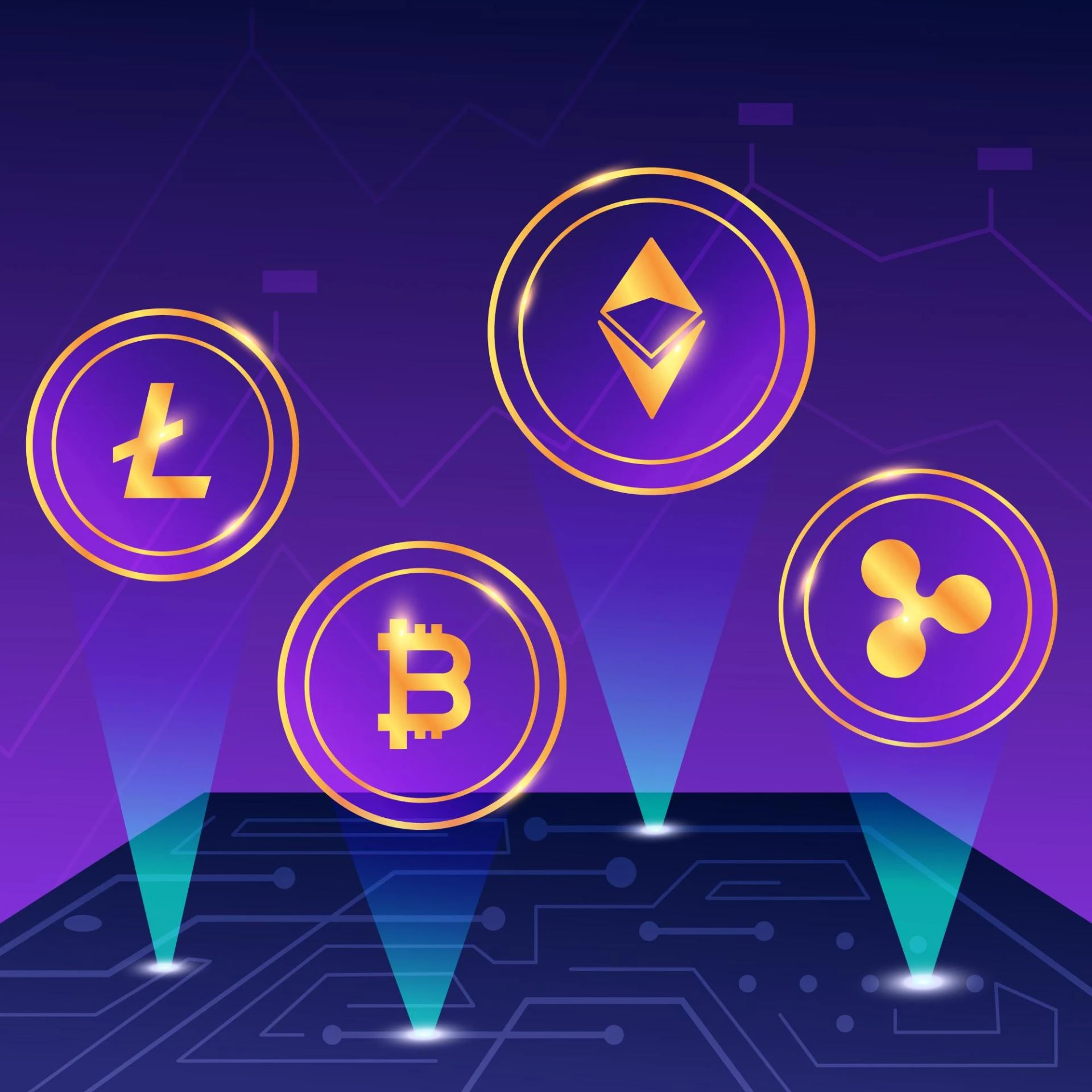
Cryptocurrencies are decentralized digital currencies that operate on blockchain technology. Unlike e-money tokens, they are not issued or regulated by any central authority. Their value is determined by market supply and demand, which can lead to significant price fluctuations.
Key Characteristics of Cryptocurrencies:
Decentralized: Not controlled by any single entity, relying on a network of computers to validate transactions.Volatile Value: Their market value can change rapidly due to supply, demand, and market sentiment.Privacy and Security: Cryptocurrencies offer a high degree of privacy and security, with transactions being pseudonymous and secured by cryptographic techniques.Example: Bitcoin, the most well-known cryptocurrency, can be used for online transactions or as an investment. Its value can vary dramatically from one day to the next.
Main Differences Between E-Money Tokens and Cryptocurrencies
Regulation:
E-Money Tokens: Heavily regulated by financial authorities, providing a layer of security and consumer protection.Cryptocurrencies: Generally unregulated or lightly regulated, which can pose risks but also allows for greater freedom and innovation.Value Stability:
E-Money Tokens: Maintain a stable value by being pegged to fiat currencies.Cryptocurrencies: Value can be highly volatile, influenced by market dynamics and investor behavior.Issuance and Control:
E-Money Tokens: Issued by central, regulated institutions.Cryptocurrencies: Created through decentralized networks via processes like mining or staking.Use Cases:
E-Money Tokens: Best for everyday transactions and integrating into existing financial systems.Cryptocurrencies: Ideal for online purchases, investment, and participation in the decentralized finance (DeFi) ecosystem.Practical Applications
E-Money Tokens:
Daily Purchases: Seamless integration with digital wallets for buying goods and services.International Transfers: Faster and cheaper than traditional bank transfers due to reduced fees and middlemen.Cryptocurrencies:
Investment: Potential for high returns, but also high risk due to market volatility.Decentralized Applications (DApps): Used within blockchain-based applications for various services like lending, borrowing, and trading.Conclusion
Both e-money tokens and cryptocurrencies represent significant strides toward a digital future of finance. E-money tokens provide a stable, regulated digital alternative to traditional money, making them suitable for everyday use and financial transactions. Cryptocurrencies, on the other hand, offer a decentralized and innovative approach to digital assets, appealing to those interested in investment opportunities and new financial technologies.
Understanding the differences between these two types of digital currencies can help you make informed decisions about how to use them in your personal or business finances. As the digital financial landscape continues to grow and evolve, staying informed is key to navigating these exciting new opportunities.








Sign in to leave a comment.