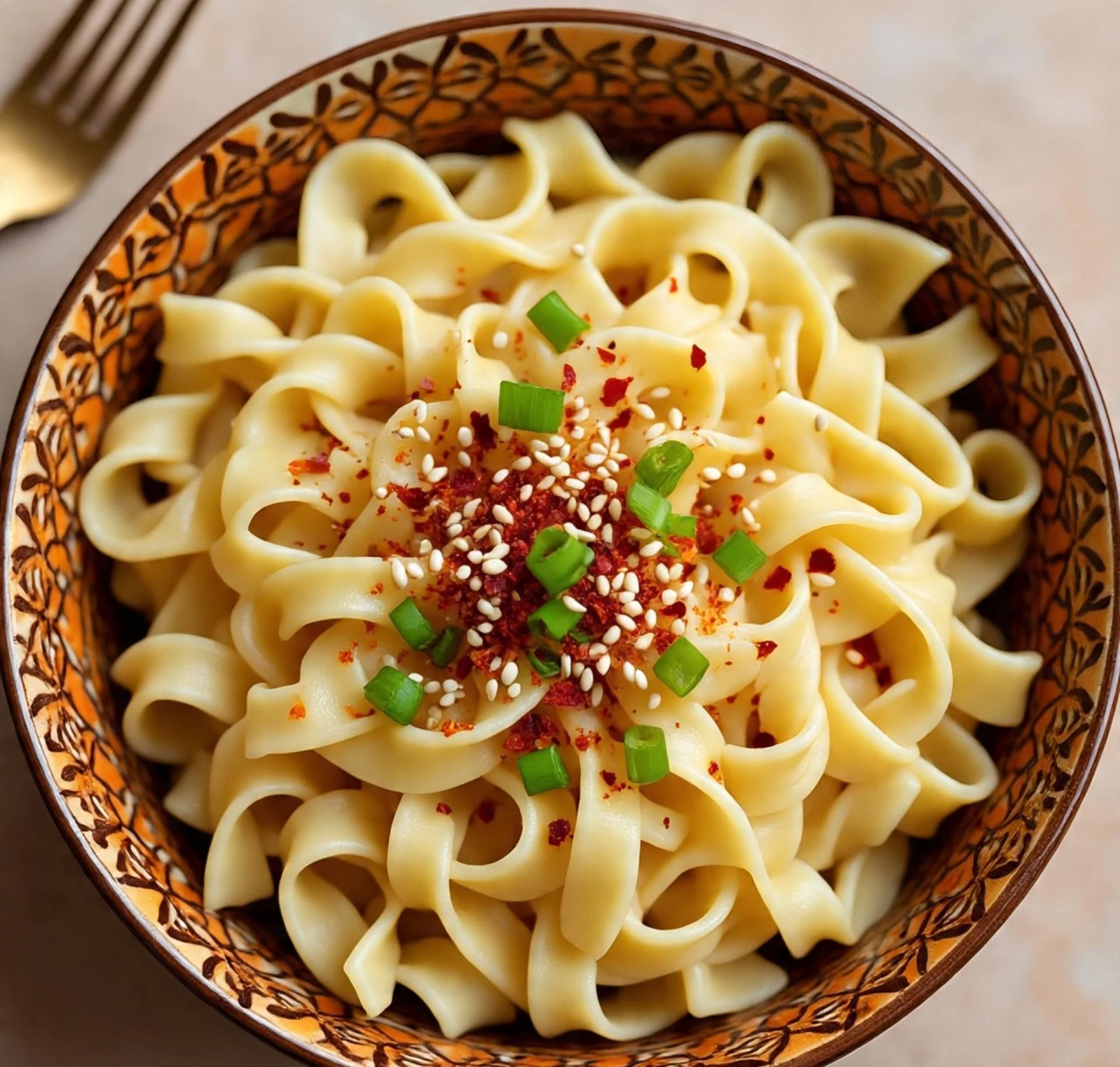

If you love the hearty texture of egg noodles but need to steer clear of gluten due to celiac disease, a wheat allergy, or personal preference, you might be wondering: Are egg noodles gluten free? Traditional egg noodles are typically made from wheat flour, which contains gluten — a protein that can trigger serious health concerns for some individuals. Fortunately, gluten free egg noodles alternatives are now widely available, making it easier than ever to enjoy this classic comfort food without the gluten.
In this guide, you’ll learn how to make your own gluten free egg noodles from scratch. Whether you're just starting your gluten-free journey or you're a seasoned gluten-free cook, this recipe will help you recreate the taste and texture of classic egg noodles without the gluten. We’ll also cover ingredient options, cooking tips, and how these noodles compare with other gluten-free pasta types.
What Makes Gluten-Free Egg Noodles Different?
Before diving into the recipe, it's helpful to understand what separates gluten-free egg noodles from traditional versions.
Traditional egg noodles are made from wheat flour, eggs, water, and salt. Wheat flour contains gluten — the protein that gives pasta its stretchy, chewy texture. However, gluten can cause digestive and autoimmune reactions in people with celiac disease or gluten sensitivity.
Gluten-free egg noodles, on the other hand, use alternative flours such as rice flour, tapioca starch, and potato starch. These flours lack gluten’s elasticity, so recipes often include binding agents like xanthan gum, or rely on eggs for structure and moisture.
Eggs are essential in gluten-free noodle recipes, as they add richness and help hold the dough together. While gluten-free flours behave differently than wheat flour, combining the right types can result in noodles that are impressively close in flavor and texture to traditional ones.
With the growing popularity of gluten-free eating for health and wellness reasons, these noodles are a great option for anyone looking for allergy-friendly comfort food.
Ingredients for Homemade Gluten-Free Egg Noodles
To make gluten-free egg noodles at home, you’ll need a handful of pantry staples:
Basic Ingredients:
- Gluten-free flour blend – Use a mix of rice flour, tapioca starch, and potato starch, or a store-bought gluten-free flour mix.
- Eggs – Typically 2–3 large eggs per cup of flour. They provide moisture, richness, and structure.
- Xanthan gum or guar gum (optional) – Helps replicate the elasticity of gluten.
- Salt – Enhances flavor.
- Water – Used sparingly to adjust the dough consistency.
Ingredient Tips:
- Always choose certified gluten-free flours to avoid cross-contamination.
- A teaspoon of oil or vinegar can be added for extra tenderness.
- Eggs are the glue in gluten-free pasta — don’t skip them!
Step-by-Step: How to Make Gluten-Free Egg Noodles
Step 1: Prep Your Work Area
Lightly dust a clean surface with gluten-free flour. Keep a rolling pin, knife, or pasta cutter on hand.
Step 2: Mix the Dough
In a large mixing bowl, combine 2 cups of gluten-free flour, 1 tsp salt, and (if using) 1 tsp xanthan gum. Crack in 3 eggs and mix with a fork. If the dough feels too dry, add a small amount of water. If it’s sticky, add more flour.
Step 3: Knead Gently
Place the dough on your floured surface and knead gently for 3–5 minutes. Gluten-free dough is more delicate than wheat-based dough, so handle with care.
Step 4: Rest the Dough
Wrap the dough in plastic wrap and let it rest for 20–30 minutes. This helps hydrate the flours and makes rolling easier.
Step 5: Roll the Dough
Divide into smaller portions. Use a rolling pin or pasta machine to roll each piece into thin sheets (about 1/8 inch thick). Dust with flour as needed to prevent sticking.
Step 6: Cut into Noodles
Slice the sheets into your preferred width — thinner for ramen-style, thicker for traditional egg noodles. Use a sharp knife, pizza cutter, or pasta wheel.
Step 7: Cook the Noodles
Bring a large pot of salted water to a boil. Drop the noodles in and cook for 2–4 minutes. Because gluten-free noodles cook quickly, monitor closely.
Step 8: Drain and Cool
Drain in a colander and rinse briefly under cold water to stop the cooking and prevent sticking. Toss with oil or butter, if desired.
Step 9: Store or Freeze
Uncooked noodles can be floured and frozen in airtight containers. Cooked noodles can be stored in the fridge for up to 3 days.
Recipe Variations and Extra Tips
- For ramen-style noodles, roll the dough thinner and cut into fine strips.
- Add flavor with herbs or spices (e.g., turmeric, spinach powder).
- If the dough is too dry or crumbly, mix in an extra egg or tablespoon of olive oil.
- Make it a family activity – kids can help shape and cook the noodles!
Comparing Gluten-Free Egg Noodles to Other Pasta Options
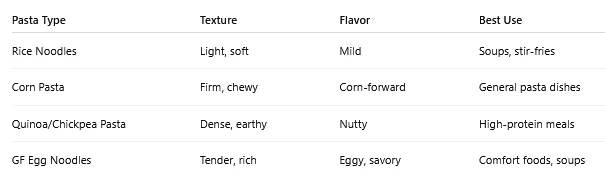
Rice Noodles
Naturally gluten-free and soft, but less rich than egg noodles.
Corn Pasta
Firm with a distinct corn flavor; not suitable for all recipes.
Quinoa/Chickpea Pasta
Nutrient-dense and high in protein, but heavier in texture and taste.
Gluten-Free Egg Noodles
Rich and tender with a homemade feel — great for soups, casseroles, and hearty meals.
Quick Comparison:
Cooking and Serving Tips
- Use a large pot with plenty of salted water to avoid sticking.
- Don’t overcook – gluten-free noodles can become mushy fast.
- Rinse after cooking to remove starch and cool them down.
- Toss in oil if not serving right away.
- Perfect for soups, stir-fries, or baked dishes.
- Pair with gluten-free sauces: tomato, cream, or Asian-inspired broths.
How to Add Gluten-Free Egg Noodles to Your Meals
- Use in chicken noodle soup for a nostalgic, comforting meal.
- Sauté with veggies and light sauce for a fast stir-fry.
- Combine with lean meats or tofu for added nutrition.
- Store cooked noodles in the fridge for quick meal prep.
- Serve in bone broth for gut-friendly nourishment.
Nutrition Benefits
Gluten-free egg noodles are ideal for anyone avoiding gluten due to allergies or health conditions. Eggs provide protein and essential nutrients, while gluten-free flours tend to be easy on the digestive system. These noodles are often lighter and less allergenic than their wheat-based counterparts, making them a smart choice for a balanced diet.
Final Thoughts
Making gluten-free egg noodles from scratch is both rewarding and delicious. With a few basic ingredients and a little time, you can whip up a batch of tender, flavorful noodles that are perfect for a variety of dishes. Whether you’re cooking for yourself, your family, or guests with food sensitivities, these noodles are a great way to enjoy comfort food without compromise.
Give this recipe a try, experiment with variations, and share your creations with friends and family. Gluten-free cooking doesn’t have to be hard — and these noodles prove it can be just as tasty as ever!
Frequently Asked Questions
Are egg noodles gluten free?
Traditional ones aren’t, but this homemade version uses gluten-free ingredients.
Can I use gluten-free egg noodles in any recipe?
Yes — just remember they cook faster and can be more delicate than wheat noodles.
How do they taste?
They have a rich, eggy flavor and a tender texture, though slightly less chewy than wheat noodles.
How do I store them?
Freeze uncooked noodles or refrigerate cooked ones in an airtight container for up to 3 days.
Where can I find ingredients?
Look for certified gluten-free flours and gums in health food stores or online.










Sign in to leave a comment.