Effective PCOS Diet Plan to Get Pregnant Naturally
Polycystic Ovary Syndrome (PCOS) affects hormone levels, ovulation, and insulin sensitivity, making it harder for women to conceive. Fortunately, following a structured, balanced diet can help regulate hormones, support ovulation, and increase your chances of natural pregnancy.
Understanding PCOS and Fertility
PCOS is characterized by irregular periods, excess androgen levels, and ovarian cysts. It’s also closely linked to insulin resistance and inflammation, both of which can disrupt ovulation and fertility.
Goals of a PCOS-Friendly Fertility Diet
- Regulate insulin levels
- Support regular ovulation
- Promote healthy weight
- Reduce inflammation
Let’s explore the ideal diet to achieve these goals.
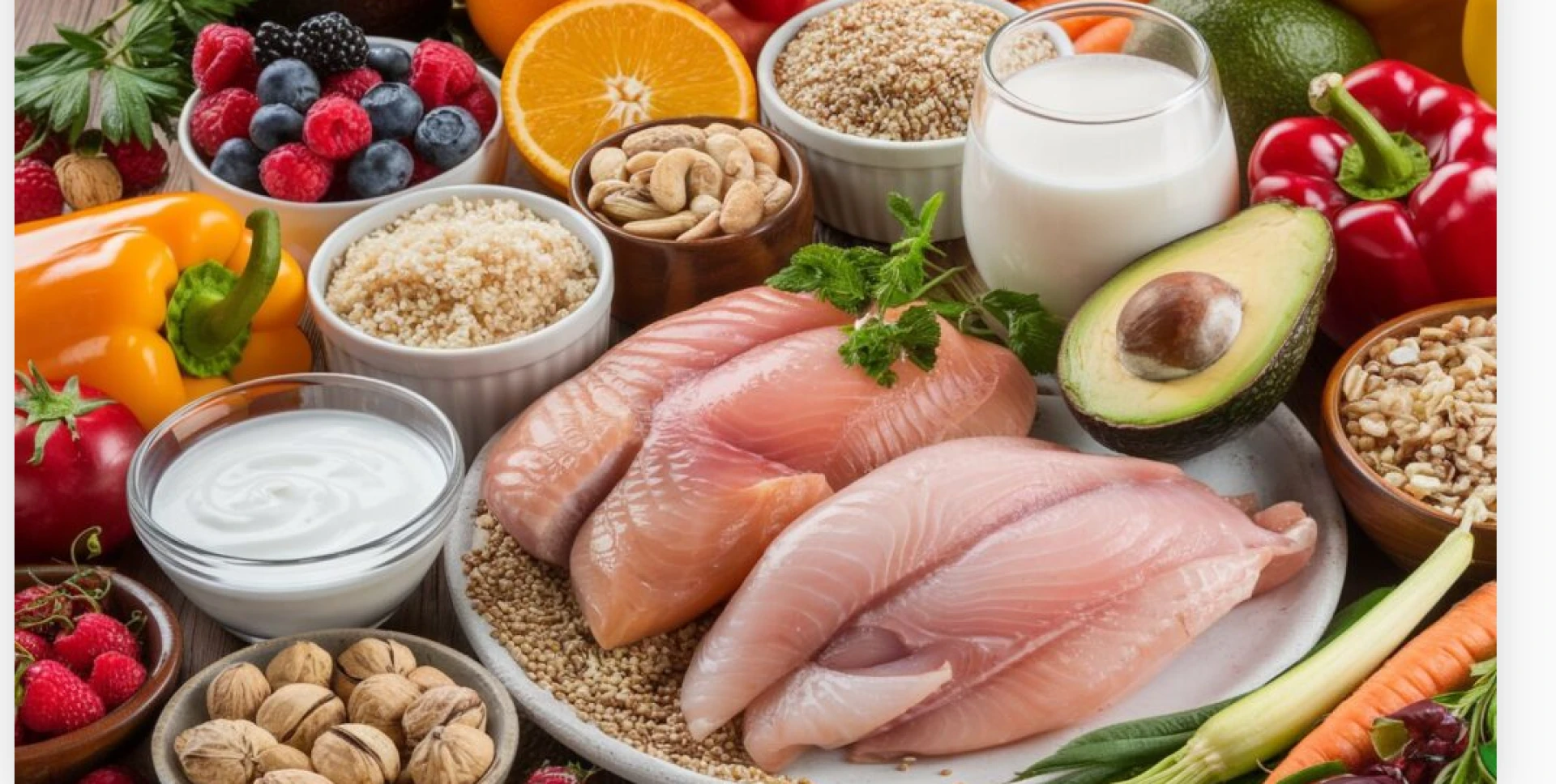
1. Focus on Low-Glycemic Index (GI) Carbohydrates
Foods with a low GI are digested slowly, leading to gradual increases in blood sugar and insulin levels. This helps improve insulin sensitivity and reduce androgen production.
Include:
- Oats, quinoa, barley
- Sweet potatoes
- Legumes (lentils, chickpeas)
- Whole fruits (berries, apples, pears)
Avoid:
- White bread
- Refined sugar
- Pastries and sodas
2. Prioritize Lean Proteins
Protein helps manage hunger and blood sugar levels, keeping hormones stable.
Best sources:
- Chicken breast
- Eggs
- Tofu and tempeh
- Greek yogurt
- Lentils and beans
Include a source of protein with every meal to support muscle health and metabolic function.
3. Add Healthy Fats to Balance Hormones
Good fats support hormone production and reduce inflammation, which is beneficial for women trying to conceive with PCOS.
Include daily:
- Avocados
- Nuts and seeds (chia, flax, almonds)
- Extra virgin olive oil
- Fatty fish (salmon, sardines)
Avoid trans fats and limit processed oils.
4. Load Up on Fiber-Rich Vegetables
Fiber helps manage blood sugar and eliminate excess hormones. Aim for a colorful plate to benefit from a variety of antioxidants.
Top choices:
- Broccoli, spinach, kale
- Bell peppers
- Carrots
- Cauliflower
Have at least two servings of non-starchy veggies with lunch and dinner.
5. Limit Dairy and Gluten (If Sensitive)
Some women with PCOS feel better and more hormonally balanced when they reduce or eliminate dairy and gluten, though this varies by individual.
Consider:
- Plant-based milks (almond, oat)
- Gluten-free whole grains (buckwheat, brown rice)
Monitor symptoms and consult a dietitian before making strict exclusions.
Final Tips for Success
- Stay hydrated with 2–3 liters of water daily.
- Avoid caffeine and alcohol to reduce hormonal disruptions.
- Practice mindful eating—eat slowly and avoid distractions.
- Exercise moderately with walking, yoga, or strength training 3–4 times per week.
Conclusion
A PCOS diet tailored for fertility is rich in fiber, healthy fats, lean protein, and low-GI carbs. By eating intentionally and maintaining a healthy lifestyle, many women with PCOS can support natural ovulation and improve their chances of getting pregnant naturally. Always consult your healthcare provider before starting any diet plan.











Sign in to leave a comment.