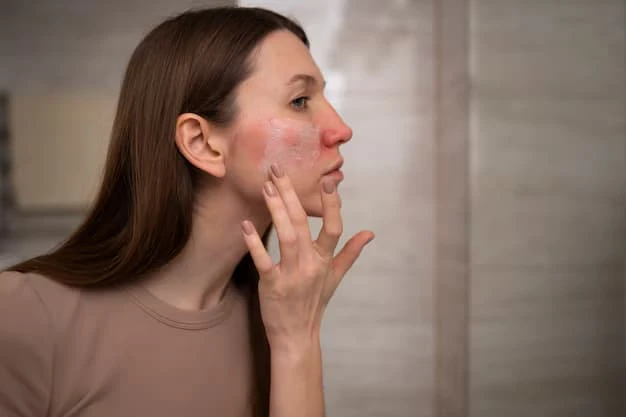

Rosacea is a common skin condition that primarily affects the face, leading to redness, visible blood vessels, and, in some cases, rosacea spots. These spots can be challenging to manage, but with the right treatment options, it’s possible to reduce their appearance and manage symptoms effectively. One of the most effective ways to control rosacea spots is by using the right cream. This article will explore some of the best cream for rosacea spots and provide valuable insights into how they work and how to use them.
Understanding Rosacea: What Causes Rosacea Spots?
Before diving into treatment options, it’s essential to understand what causes rosacea spots. Rosacea is a chronic inflammatory skin condition that primarily affects individuals with fair skin. Although the exact cause remains unclear, genetics, environmental factors, and certain lifestyle triggers can contribute to flare-ups. The condition often results in red, irritated skin, with some people experiencing rosacea spots small, red bumps or pustules similar to acne.
Rosacea spots are often a source of distress for many people, as they can make the skin look uneven and inflamed. These spots may appear on the nose, cheeks, chin, or forehead, and they can be painful or tender to the touch.
Key Ingredients in Creams for Rosacea Spots
When looking for an effective cream for rosacea spots, it’s important to choose products with specific active ingredients known for their anti-inflammatory, soothing, and skin-healing properties. Here are some key ingredients to look for:
1. Metronidazole
Metronidazole is a commonly prescribed topical treatment for rosacea. It is an antibiotic with anti-inflammatory properties that helps reduce the redness and swelling associated with rosacea spots. It works by targeting the underlying bacterial causes of inflammation, helping to keep flare-ups under control. It is typically found in gels or creams that are applied to the affected areas once or twice a day.
2. Azelaic Acid
Azelaic acid is a naturally occurring acid that has both anti-inflammatory and antimicrobial properties. This ingredient is effective in reducing the number of rosacea spots and preventing future breakouts. It can help exfoliate the skin, unclog pores, and even out skin tone, making it a great choice for treating rosacea spots. Azelaic acid is often used in cream form, applied directly to the affected area.
3. Sulfur
Sulfur-based creams are another effective treatment for rosacea. Sulfur helps to reduce inflammation, control excess oil production, and prevent the development of rosacea spots. It also has antimicrobial properties, making it an excellent option for those with rosacea who are prone to secondary bacterial infections. Many sulfur-based creams are available over-the-counter and can be applied directly to the skin.
4. Niacinamide (Vitamin B3)
Niacinamide, also known as Vitamin B3, is a soothing ingredient commonly used in creams for rosacea. It helps reduce redness and irritation by strengthening the skin’s barrier function.
Niacinamide can improve the skin’s overall texture and tone, which is essential for reducing the visibility of rosacea spots. It also has antioxidant properties that protect the skin from environmental damage.
5. Tea Tree Oil
Tea tree oil is a powerful natural anti-inflammatory and antimicrobial agent. It is often included in creams and gels designed to treat rosacea, as it helps calm irritated skin and reduce redness.
Tea tree oil’s antimicrobial properties also help reduce the occurrence of bacterial infections, which can exacerbate rosacea flare-ups. However, it is important to use tea tree oil in diluted forms, as it can be irritating to some people.
6. Retinoids
Retinoids are derivatives of Vitamin A that promote skin cell turnover and help prevent clogged pores. While they can be effective in treating rosacea, they should be used cautiously, as they can cause irritation in sensitive skin. For individuals with rosacea, a mild retinoid cream can help reduce inflammation and the appearance of rosacea spots over time. It is important to use retinoids as directed and to apply sunscreen daily.
Top Creams to Try for Rosacea Spots
With an understanding of the key ingredients, let’s take a closer look at some of the most popular and effective creams for rosacea spots.
1. Topical Metronidazole Creams
As mentioned earlier, metronidazole is a highly effective treatment for rosacea spots. It helps reduce inflammation and redness, making it one of the most commonly prescribed creams for rosacea. There are several metronidazole-based creams available that provide significant relief for rosacea flare-ups. These creams are usually applied once or twice daily to the affected area, and results can typically be seen within a few weeks of consistent use.
2. Azelaic Acid Creams
Azelaic acid is another excellent option for treating rosacea spots. It works by targeting the underlying causes of rosacea and providing gentle exfoliation. Azelaic acid is often available in concentrations ranging from 15% to 20%, and it can be found in both prescription and over-the-counter products. It can help reduce the appearance of rosacea spots, as well as improve skin texture and tone.
3. Sulfur-Based Creams
Sulfur creams are widely used for treating rosacea and can be found in both prescription and over-the-counter formulas. These creams work by reducing the inflammation that causes rosacea spots while controlling excess oil production. Sulfur creams can also help reduce the size of rosacea spots over time, though they may take a few weeks to show significant results. Be mindful of the strong smell of sulfur-based creams, but their effectiveness often outweighs this minor downside.
4. Niacinamide Creams
Niacinamide is known for its soothing and anti-inflammatory properties, making it a great choice for sensitive skin. Niacinamide-based creams help calm irritated skin, reduce redness, and improve the skin’s overall appearance. These creams can be applied once or twice daily and are gentle enough for most skin types, including those with rosacea.
5. Tea Tree Oil Creams
For those who prefer natural skincare solutions, tea tree oil creams can provide a gentle yet effective way to reduce rosacea spots. Tea tree oil has been shown to reduce inflammation and irritation, making it an ideal choice for calming rosacea-prone skin. Look for creams that contain diluted tea tree oil, as higher concentrations may cause irritation for sensitive skin types.
6. Retinoid Creams (Low Strength)
Retinoid creams, while effective, should be used with caution when treating rosacea. For individuals with rosacea spots, a low-strength retinoid cream may be beneficial in reducing inflammation and promoting skin cell turnover. However, these creams can cause dryness and irritation, so it is essential to start slowly and follow the guidance of a healthcare provider when using retinoids.
How to Use Creams for Rosacea Spots
Using the right cream for rosacea spots is important, but applying the product correctly is just as crucial. Here are some tips for getting the best results:
1. Cleanse Your Skin
Before applying any cream, make sure to cleanse your skin with a gentle, non-irritating cleanser. Avoid harsh scrubs or abrasive products, as these can worsen rosacea flare-ups. After cleansing, pat your face dry with a soft towel.
2. Apply Cream Sparingly
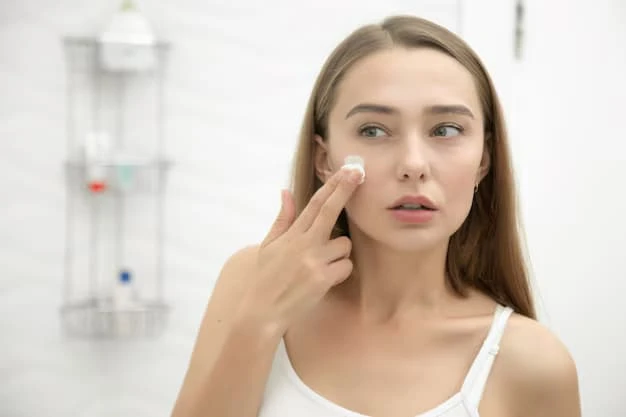
When using creams for rosacea spots, a little goes a long way. Apply a thin layer of the cream to the affected area, and gently massage it into the skin. Overuse of these creams can lead to irritation or dryness, so it’s best to start with a small amount and gradually increase if needed.
3. Use Sunscreen
Sunscreen is essential for rosacea-prone skin. Exposure to sunlight can trigger flare-ups and worsen rosacea spots. Make sure to apply a broad-spectrum sunscreen with an SPF of at least 30 every morning, even on cloudy days.
4. Be Consistent
Consistency is key when using any topical treatment for rosacea spots. Follow the instructions provided by your healthcare provider or the product label, and be patient. It may take several weeks to notice improvements in the appearance of rosacea spots, so don’t get discouraged if results aren’t immediate.
Conclusion
Finding the right cream for rosacea spots can significantly improve the appearance of your skin and help manage flare-ups. Whether you choose a metronidazole-based cream, azelaic acid, or a natural treatment like tea tree oil, consistency and proper application are key to achieving the best results. Always consult with a dermatologist or healthcare provider before starting any new skincare regimen to ensure you are using the right product for your skin type.
At MiQuest, we understand the challenges that rosacea can bring, and we are dedicated to helping you find the best treatments for your skin. By using the right creams and following the tips outlined in this article, you can achieve clearer, healthier skin while effectively managing rosacea spots.











Sign in to leave a comment.