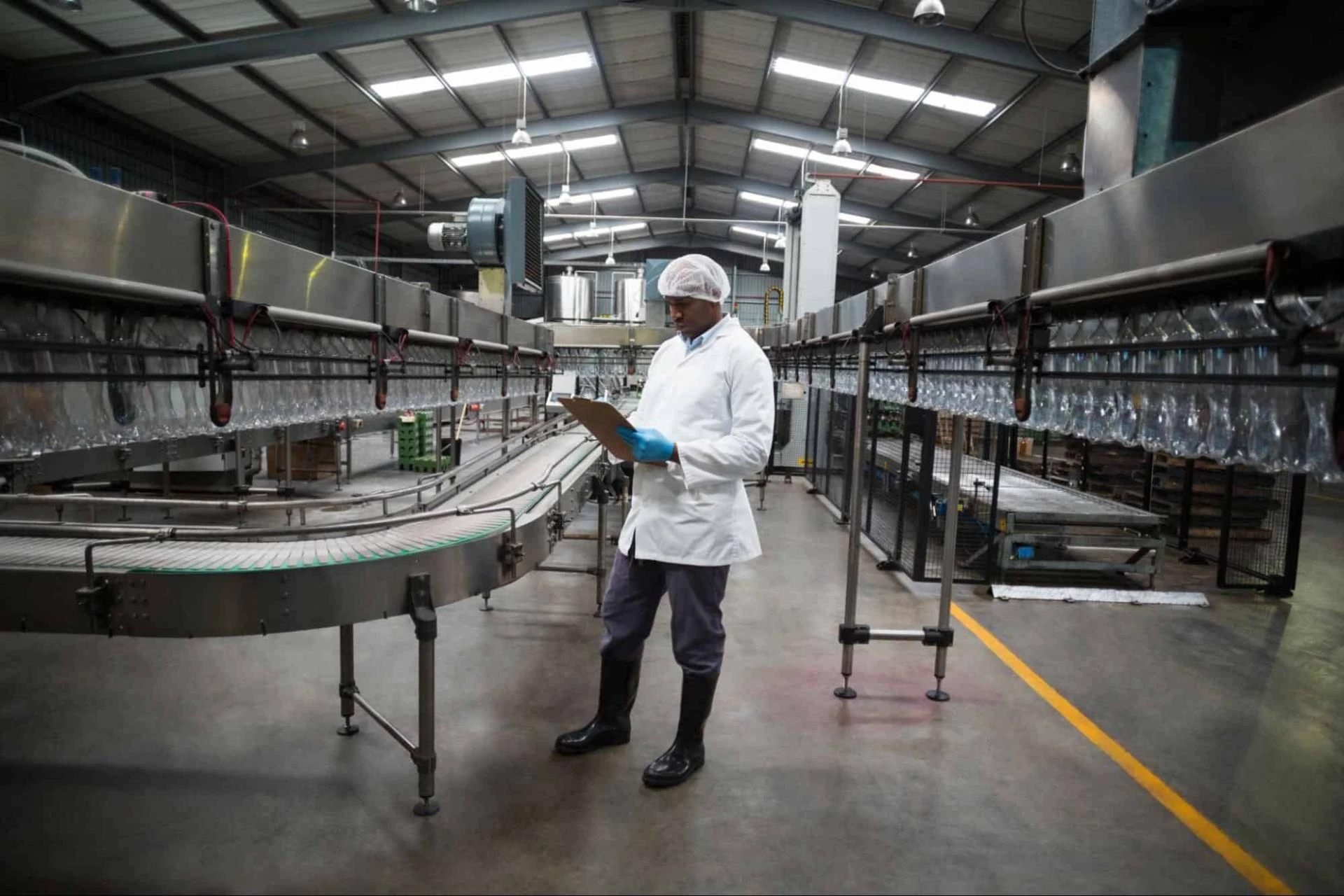

Automatic conveyors revolutionize manufacturing by seamlessly transporting materials within facilities, enhancing efficiency, and minimizing manual labor. These systems are the backbone of modern production, streamlining workflows and ensuring a smooth, continuous flow of goods. By harnessing the potential of automatic conveyors, manufacturers optimize logistics, reduce operational costs, and increase overall productivity. Beyond mere transportation, these systems enable innovative applications, supporting agile manufacturing processes and responding to the dynamic needs of modern industries.
The Backbone Of Production: How Automatic Conveyors Enhance Manufacturing Workflows
An automatic conveyor plays a pivotal role in enhancing manufacturing workflows by introducing a seamless and efficient material handling system. These conveyors streamline the entire production process, from raw material input to finished product output, reducing manual intervention and enhancing operational efficiency.
One key aspect is the consistent and reliable movement of materials. Automated conveyors ensure a continuous flow, eliminating bottlenecks and optimizing the use of resources. This leads to improved production rates, reduced lead times, and enhanced overall productivity.
Moreover, these conveyors enhance precision and accuracy in material handling. They can be programmed to deliver materials to specific workstations with pinpoint accuracy, minimizing errors and enhancing quality control. This precision is particularly crucial in industries with stringent quality standards.
Additionally, an automatic conveyor contributes to a safer working environment by reducing the need for manual material handling. This not only minimizes the risk of accidents and injuries but also allows human workers to focus on more complex and value-added tasks, contributing to a more fulfilling and productive workplace.
Optimizing Logistics: Efficiency Gains Of Automated Conveyor Systems
Optimizing logistics through the implementation of automated conveyors is a transformative approach that significantly improves the efficiency and effectiveness of supply chain operations. Automatic conveyors streamline the movement of goods within warehouses and distribution centers, playing a crucial role in achieving just-in-time inventory management and reducing lead times.
One key advantage is the acceleration of order fulfillment processes. Automated conveyors facilitate the rapid and accurate retrieval of items from storage, enabling faster packing and shipping. This not only enhances customer satisfaction through timely deliveries but also reduces storage costs associated with excess inventory.
Furthermore, these systems enhance real-time visibility and tracking of inventory. Automated conveyors can be integrated with advanced tracking technologies, providing a comprehensive overview of the location and status of each item in the supply chain. This visibility allows for proactive decision-making, minimizing the risk of stockouts or overstock situations.
The optimization of logistics through automatic conveyors also contributes to cost savings. By automating material handling tasks, companies can allocate human resources to more strategic roles, improving overall labor efficiency and reducing operational expenses. Additionally, the precise control over inventory levels helps minimize holding costs and waste.
Beyond Transport: Innovative Applications Of Automatic Conveyors In Modern Factories
The innovative applications of automatic conveyors in modern factories extend beyond traditional material transport, ushering in a new era of smart and adaptive manufacturing processes. These conveyors are increasingly integrated into diverse facets of factory operations, showcasing versatility and responsiveness to dynamic production needs.
One notable application lies in the realm of collaborative robotics. Automatic conveyors can interface seamlessly with robotic systems, allowing for the synchronized movement of materials and cooperative tasks. This not only enhances efficiency but also opens avenues for advanced automation and flexible manufacturing setups.
Moreover, an automatic conveyor is instrumental in supporting just-in-time manufacturing. By facilitating the synchronized delivery of components to production lines, these systems contribute to lean manufacturing practices, minimizing excess inventory and optimizing resource utilization.
In the context of customization and personalization, automatic conveyors play a vital role in enabling the efficient handling of diverse product variations. Customizable setups allow for quick reconfiguration of conveyor routes, accommodating changes in production requirements without significant downtime.
Additionally, the integration of sensors and data analytics with a conveyor enhances predictive maintenance capabilities. These systems can detect anomalies and potential issues, enabling proactive maintenance to prevent downtime and ensure continuous operation.
Conclusion
The integration of automatic conveyors in manufacturing represents a transformative leap, streamlining workflows, optimizing logistics, and fostering innovation in modern factories. These systems not only enhance efficiency and precision but also contribute to safer and more adaptable workplaces. As industries evolve, automatic conveyors stand as essential catalysts, driving the continuous evolution of manufacturing processes towards greater productivity and operational excellence.













Sign in to leave a comment.