

Electrical training courses near you offer a clear route into a skilled trade that remains in constant demand across the UK. These courses help you develop strong technical skills, meet essential safety standards, and earn qualifications that employers value.
Every learner wants one thing — reliable training that leads directly to employment. The right local provider delivers this through structured learning, hands-on modules, and recognised credentials. This guide explains available training routes, the standards you must meet, and the key skills you’ll gain.
What Are Electrical Training Courses Near Me?
Electrical training courses near you teach the principles and practices of installing, testing, and maintaining electrical systems. These programmes follow UK industry regulations and focus on safety, wiring methods, and equipment handling.
Local training centres support new learners, career changers, and existing electricians who want to update or formalise their skills through nationally recognised qualifications.

Who Can Enrol in Local Electrical Training Courses?
Most UK providers welcome learners aged 16 and above. Entry routes typically include:
- School Leavers – those starting a technical career straight from school.
- Adult Career Changers – professionals switching from another industry into electrical work.
- Working Electricians – those seeking to gain formal qualifications or update to the latest standards.
Minimum entry expectations usually include basic numeracy, a clear interest in practical engineering tasks, and a willingness to follow safety regulations.
What Skills Do These Courses Teach?
Electrical training builds both theoretical understanding and hands-on ability. Common skills include:
- Core Wiring and Installation – learn how to route, terminate, and connect wiring systems safely.
- Inspection and Testing – develop the ability to check electrical circuits for compliance and faults.
- Fault Finding – diagnose and fix electrical issues using structured testing methods.
- Safe Working Practices – apply isolation procedures, PPE usage, and live-system precautions.
Learners also gain familiarity with tools, cables, test instruments, and installation layouts that mirror real job environments.

Types of Electrical Training Courses You Can Find Near You
Local centres offer courses at different levels to match your starting point and goals — from beginner routes to advanced electrical engineering qualifications.
NVQ Electrical Installation Courses
- Level 2 NVQ introduces the foundations of installation, including wiring, containment, and basic testing.
- Level 3 NVQ builds on Level 2 and requires workplace evidence of competence. It is the key qualification for becoming a fully qualified electrician in the UK.
All NVQs follow national standards set by recognised awarding bodies like City & Guilds and EAL.
18th Edition Wiring Regulations Training
This course covers BS 7671 – the 18th Edition Wiring Regulations, the essential rulebook for UK electrical work.
Holding an 18th Edition certificate proves you understand safe installation design, inspection, and documentation. Employers expect all electricians to keep this qualification current.
Basic Electrical Courses for Beginners
Entry-level training is perfect for newcomers who want to explore the trade:
- Introduction to Wiring and Circuits – covers simple domestic circuits and safety.
- PAT Testing Courses – teach how to test portable appliances for electrical safety.
These short routes (usually 1–5 days) give a practical insight into electrical work without long-term commitment.
Advanced Electrical Engineering Courses
More experienced learners can take advanced modules such as:
- Inspection & Testing (2391) – preparation for Electrical Installation Condition Reports (EICRs).
- Commercial Installation Techniques – learning containment systems and 3-phase circuits.
- Design & Verification – focusing on larger installations and load calculation.
These courses build your competence for supervisory and technical roles.
How Electrician Apprenticeship Programmes Work Near You
Electrical apprenticeships combine paid work with structured classroom and workshop learning. You gain real-world experience while studying recognised qualifications.
What You Learn in an Electrical Apprenticeship
Apprentices gain first-hand experience in:
- Installing and maintaining wiring systems
- Using electrical tools and test equipment
- Reading and following technical drawings
- Conducting safety checks and isolations
- Diagnosing and repairing electrical faults
This practical exposure helps you develop confidence under real working conditions.
How To Apply for a Local Apprenticeship
Applications usually go through:
- Training Providers
- Employers
- The UK Government Apprenticeship Service
You’ll need valid ID, complete entry assessments, and pass eligibility checks. Successful applicants join structured programmes with clear milestones and mentor support.
Residential Wiring Courses Near Me: What To Expect
Residential wiring courses focus on skills used in domestic properties. Training aligns with UK building control regulations and includes the safe methods required for home installations.
Domestic Installer Scheme Requirements
Domestic installer routes include:
- Competence Assessments
- Practical Wiring Tests
- Certification by Recognised Bodies
Completing this route allows registration under a Domestic Installer Scheme, giving you the right to perform and sign off notifiable work in homes.
Practical Skills Covered in Residential Courses
Learners practise real domestic setups such as:
- Socket and lighting circuits
- Consumer unit installation and bonding
- Cable routing and containment
- Safe isolation and testing methods
Workshops mirror typical home installations to prepare you for on-site work.
Commercial Wiring Courses Near Me: Who Needs Them?
Commercial electrical training suits learners planning to work in offices, retail units, warehouses, and industrial environments. These settings involve more complex systems and higher electrical loads.
Skills Learned in Commercial Electrical Training
Training modules typically include:
- Three-Phase Systems – handling high-load electrical distribution.
- Containment Systems – installing trunking, conduit, tray, and basket systems.
- Load Balancing and Power Distribution – ensuring safe, efficient supply design.
- Advanced Testing and Inspection – verifying large-scale installations meet regulations.
Learners gain the advanced competence needed for non-domestic work.
Mandatory Certifications for Electricians in the UK
All UK electricians must meet specific certification requirements. These qualifications ensure compliance, safety, and credibility.
NICEIC, City & Guilds, and EAL Accreditation
- NICEIC – one of the UK’s most trusted bodies for electrical certification.
- City & Guilds / EAL – leading awarding bodies that issue most NVQ and technical qualifications.
Choosing a centre accredited by these organisations ensures your training meets national industry standards.
Part P Certification Explained
Part P of the Building Regulations covers electrical work in domestic properties.
It ensures safety for household installations and requires registered electricians to prove competence through assessment. Training providers approved for Part P help learners meet this legal requirement.
Safety Standards Taught in Local Electrical Courses
Safety is central to every UK electrical qualification. Training providers prioritise accident prevention and compliance with statutory rules.
Understanding BS 7671 (18th Edition)
All electrical work in the UK follows BS 7671 Wiring Regulations.
These rules set standards for:
- Electrical design and installation
- Inspection and testing methods
- Documentation and verification procedures
Every course uses BS 7671 as a reference framework.
Safe Working Practices and Electrical Risk Control
Learners study:
- Safe Isolation – verifying circuits before work begins
- PPE Use – selecting appropriate protective equipment
- Risk Assessment – identifying potential electrical hazards
- Testing Procedures – confirming systems are safe post-installation
These habits protect both workers and clients from electrical risks.
What Practical Modules Are Included in Electrical Training?
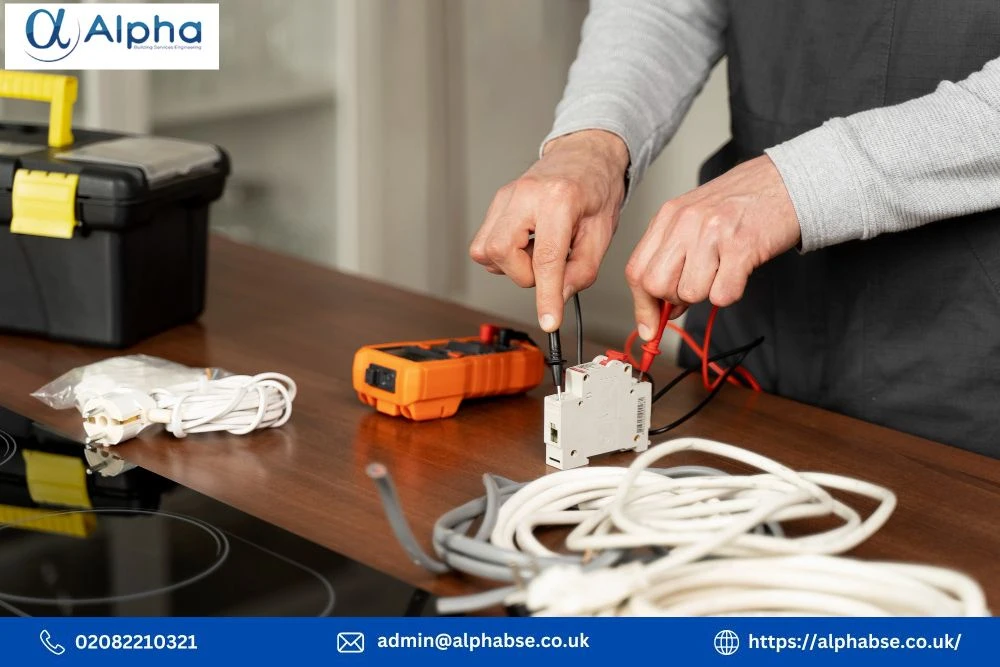
Hands-on practice forms the backbone of every electrical course. Training centres simulate real environments to help learners apply theory effectively.
Working With Electrical Tools and Test Equipment
Learners train with:
- Multimeters and continuity testers
- Insulation resistance testers
- Socket testers and loop impedance testers
- Core power tools used on-site
Each tool session covers correct handling, calibration, and safe operation.
Hands-On Wiring Projects
Workshops feature realistic installation scenarios, including:
- Lighting and ring main circuits
- Fault-finding tasks
- Consumer unit wiring
- Testing and certification exercises
These projects give you the experience needed for workplace NVQ assessments.
How To Choose the Best Electrical Training Provider Near You
Selecting the right training centre directly affects your progress and career success. Reliable providers offer structured pathways, skilled tutors, and strong learner outcomes.
What Accreditation Should You Look For?
Choose a provider with City & Guilds, EAL, or NICEIC approval.
These accreditations confirm the centre meets industry-accepted teaching and assessment standards, ensuring your qualification carries real value.
How To Check Local Reviews and Pass Rates
Before enrolling, review:
- Online Reviews and Testimonials – look for genuine student experiences.
- Pass Rate Statistics – consistent high results reflect effective teaching.
- Social Proof – check photos, success stories, and employer feedback.
These checks help identify trustworthy, results-driven centres.
Cost, Duration, and Schedule Options
Course prices vary based on level, duration, and qualification type.
- Short Courses – from a few days to several weeks.
- NVQs and Apprenticeships – may last several months or years.
- Many providers also offer evening or weekend sessions, helping working adults manage their schedules effectively.
Career Pathways After Completing Electrical Training
Completing electrical training opens reliable, well-paid career paths across residential, commercial, and industrial sectors. The UK’s growing infrastructure, renewable energy projects, and housing developments all drive strong demand.
Jobs You Can Apply For After Level 2 and Level 3
- Level 2 Graduates – can take on supervised installation or maintenance roles.
- Level 3 Graduates – qualify for full electrician status, including testing and certification duties.
- Common job titles include Domestic Installer, Maintenance Electrician, Field Technician, and Commercial Installer.
How Certifications Affect Salary and Job Opportunities
Higher qualifications unlock advanced roles and better pay:
- NVQ Level 3 holders command higher hourly rates.
- 18th Edition and Inspection & Testing certificates boost employability.
- Part P and NICEIC registration enable self-employment and notifiable work.
Continuous training helps electricians secure long-term stability and advancement.
Last Thoughts
Electrical training courses near you provide a proven path into a dependable, high-demand UK trade. These programmes combine theoretical knowledge with real-world practice, leading to recognised qualifications and safe working competence.
Choosing a trusted provider — one with national accreditation, strong reviews, and practical workshops — sets you up for lasting success. With the right training, every learner can build a secure career, enjoy higher earning potential, and contribute to a vital UK industry.
Frequently Asked Questions (FAQs) About Electrical Training Courses Near Me
Q: How long do electrical training courses take?
A: Short basic courses last between 1 to 5 days, while NVQs and apprenticeships run for months or years depending on workplace evidence.
Q: Can beginners enrol?
Yes. Entry-level courses introduce the trade with simple wiring, tool use, and safety procedures.
Do I need tools?
Most training centres provide tools during sessions. Once employed, you’ll be expected to buy your own professional kit.
Are online electrical courses accepted by employers?
Employers prefer qualifications that include practical components. Online-only routes rarely meet UK compliance standards.
What’s the difference between domestic and commercial training?
Domestic courses cover home wiring, while commercial ones focus on larger systems with higher electrical loads.











Sign in to leave a comment.