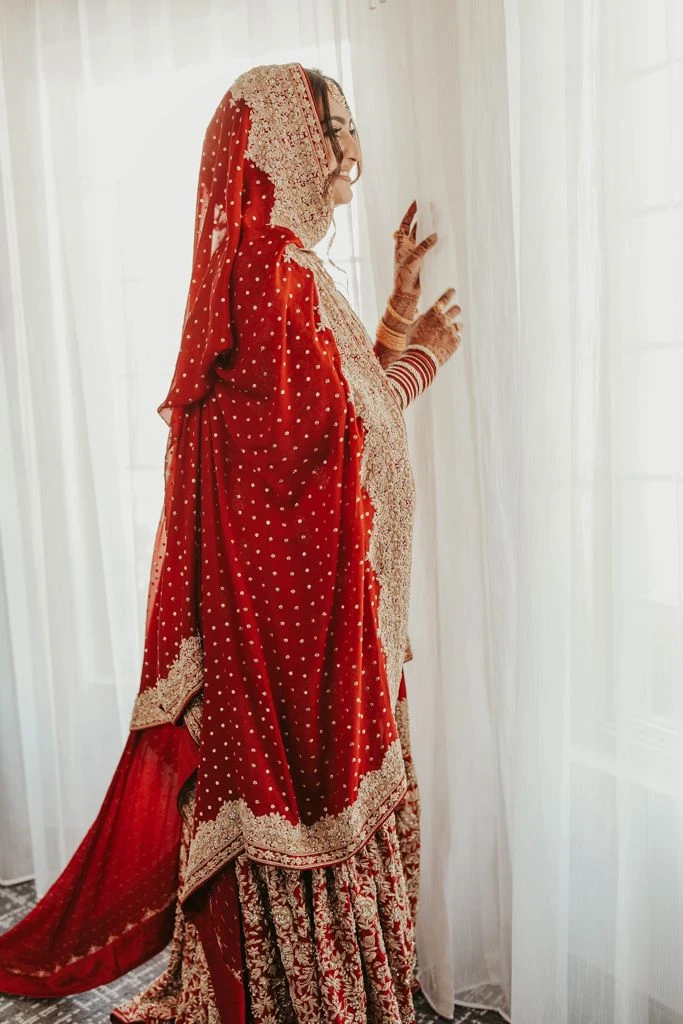

Introduction: In the rich tapestry of Pakistani culture, weddings hold a special place, marked by grand celebrations, traditions, and, of course, the exquisite bridal attire. Pakistani bridal dresses are renowned for their intricate craftsmanship, vibrant colors, and timeless designs that reflect the cultural heritage of the region. In this blog, we embark on a journey through the world of Pakistani bridal dresses, exploring the captivating beauty and significance they bring to the most cherished moments in a woman's life.
The Diversity of Pakistani Bridal Dresses:
Lehenga Choli: A classic choice for Pakistani brides, the lehenga choli is a three-piece ensemble comprising a flared skirt (lehenga), a fitted blouse (choli), and a long, flowing scarf (dupatta). Embellished with intricate embroidery, sequins, and beadwork, lehenga cholis are known for their opulence and grace.
Anarkali Gowns: Inspired by the timeless Mughal era, Anarkali gowns feature a flowing silhouette with a fitted bodice and flared skirt. These dresses exude regality and are often adorned with luxurious fabrics, delicate embroidery, and embellishments, making them a perfect choice for brides seeking a majestic look.
Sharara Sets: Sharara sets consist of wide-legged trousers paired with a short kurta and a dupatta. This ensemble, known for its elegance and comfort, is often chosen by brides who want to blend tradition with a modern touch. Sharara sets come in a variety of styles, from heavily embroidered designs to more understated and contemporary looks.
Pakistani Bridal Sarees: Sarees hold a timeless appeal in Pakistani bridal fashion. Intricately woven and embellished with traditional zardozi or thread work, Pakistani bridal sarees showcase the craftsmanship and attention to detail that define the country's bridal attire.
Gharara Suit: Gharara suits feature wide, flared pants paired with a short kurti and a dupatta. This ensemble is characterized by its distinctive flared trousers, often heavily embellished with intricate embroidery and embellishments. Gharara suits are a popular choice for brides who appreciate a traditional yet stylish look.
The Significance of Colors and Embellishments:
Red and Gold Tradition: Red and gold are classic colors for Pakistani bridal dresses, symbolizing love, passion, and prosperity. However, contemporary brides are increasingly embracing a spectrum of colors, from pastels to jewel tones, reflecting personal style and preferences.
Intricate Embroidery and Zardozi: Pakistani bridal dresses are renowned for their exquisite embroidery techniques, including zardozi, which involves intricate metal threadwork. These embellishments not only add opulence but also tell stories through patterns and motifs, often representing cultural symbols and traditions.
Luxurious Fabrics: From silk and chiffon to velvet and organza, Pakistani bridal dresses feature a rich array of fabrics that enhance the overall aesthetic. The choice of fabric adds texture, sheen, and a sense of luxury to the bridal ensemble.
The Evolving Trends: While traditional designs continue to hold their allure, Pakistani bridal fashion is a dynamic landscape that embraces evolving trends. Modern brides are exploring fusion styles, incorporating contemporary elements into traditional silhouettes, thereby creating a perfect blend of heritage and modernity.
Conclusion:
Pakistani bridal dresses are not merely garments; they are expressions of culture, traditions, and the unique beauty of each bride. With their intricate craftsmanship, vibrant colors, and timeless designs, these dresses symbolize the richness of Pakistani heritage. As brides embark on the journey of a lifetime, the choice of a Pakistani bridal dress becomes a reflection of their individuality, cultural pride, and the timeless elegance that defines the celebration of love and union in Pakistan.







Sign in to leave a comment.