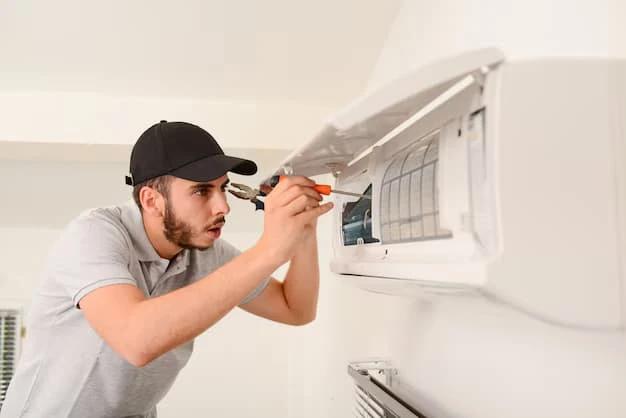

When an air conditioner suddenly stops working, it can quickly turn a comfortable home into an uncomfortable space. During hot seasons, a breakdown is more than an inconvenience and can affect health, productivity, and overall peace of mind. Understanding how to respond during an emergency can help homeowners reduce stress, prevent further damage, and make informed decisions. This guide focuses on practical and reliable emergency tips related to air conditioning repair, helping homeowners take the right steps while waiting for professional assistance.
In many cases, knowing what to check and how to react can make a noticeable difference. From recognizing early warning signs to performing safe temporary measures, homeowners can stay prepared and confident during unexpected cooling system failures.
Understanding What Qualifies as an Emergency
Not every cooling issue requires immediate action, but certain situations should be treated as urgent. Knowing the difference helps homeowners prioritize safety and comfort.
Complete System Failure During Extreme Heat
A total shutdown of the air conditioner during very high temperatures can quickly lead to unsafe indoor conditions. Homes with elderly residents, children, or individuals with health conditions may face higher risks when cooling is unavailable.
Electrical Smells or Smoke
If the system emits a burning smell, smoke, or sparks, this is a serious emergency. These signs may indicate wiring issues or overheating components and should be addressed immediately to prevent fire hazards.
Refrigerant Leaks or Hissing Sounds
Unusual hissing noises or visible fluid around the unit may suggest a refrigerant leak. This can affect system performance and indoor air quality, making it an urgent concern.
Immediate Safety Steps to Take
Before attempting any checks or adjustments, safety should always come first. Homeowners should avoid actions that could put them at risk.
Turn Off the System
If the air conditioner is behaving abnormally, turning it off at the thermostat and circuit breaker can prevent further damage. This step is especially important when unusual sounds or smells are present.
Check for Electrical Issues
A quick look at the breaker panel can reveal whether a tripped breaker caused the shutdown. If a breaker trips repeatedly, it signals a deeper problem and should not be reset multiple times.
Keep the Area Clear
Outdoor units should remain free of debris, furniture, or plants. Clearing the surrounding area can help prevent airflow restrictions and reduce strain on the system.
Basic Troubleshooting Homeowners Can Perform
Some emergency situations may have simple causes. While homeowners should not attempt complex repairs, basic checks can sometimes restore operation temporarily.
Inspect the Thermostat Settings
Incorrect thermostat settings are a common reason for cooling issues. Ensuring the system is set to cooling mode and the temperature is lower than the current room temperature can resolve minor problems.
Replace or Clean Air Filters
Clogged filters restrict airflow and can cause the system to shut down. Replacing or cleaning filters may improve performance and prevent overheating during heavy use.
Examine Air Vents and Registers
Blocked or closed vents can disrupt airflow and reduce cooling efficiency. Opening vents and ensuring furniture does not block them can help maintain balanced airflow throughout the home.
Managing Comfort While Waiting for Repairs
If the system cannot be restored immediately, homeowners can take steps to stay comfortable and protect the home environment.
Use Fans Strategically
Ceiling fans and portable fans can improve air circulation and create a cooling effect. Fans should be positioned to move air efficiently across living spaces.
Close Curtains and Blinds
Blocking direct sunlight reduces indoor heat buildup. Keeping curtains and blinds closed during the hottest parts of the day helps maintain lower indoor temperatures.
Avoid Heat Generating Activities
Limiting the use of ovens, dryers, and other heat producing appliances can prevent additional warmth from building up indoors.
Preventing Further Damage to the System
During an emergency, certain actions can help protect the air conditioning system from additional wear.
Do Not Force the System to Run
Running a malfunctioning unit can worsen existing problems. If the system repeatedly shuts off or struggles to cool, it is best to leave it off until it is inspected.
Keep the Outdoor Unit Cool
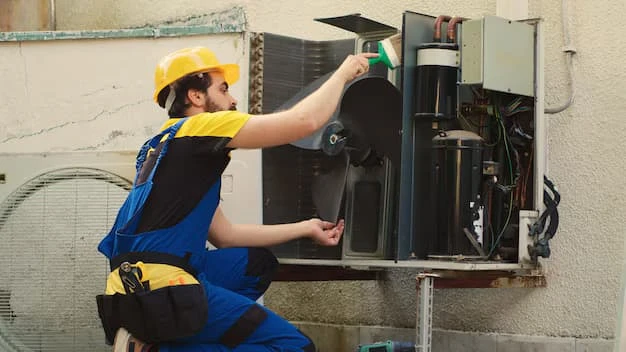
Lightly rinsing dust from the outdoor unit can improve airflow, but this should only be done when the power is completely off. Never attempt this if there are signs of electrical issues.
Avoid DIY Repairs Beyond Basic Checks
While it may be tempting to open panels or adjust internal components, doing so without proper knowledge can cause damage or void warranties. Professional evaluation is always recommended for internal repairs.
Recognizing When Professional Help Is Necessary
Emergency situations often require expert attention. Knowing when to call for professional air conditioning repair services can save time and money.
Repeated System Shutdowns
If the system turns on and off frequently, it may indicate issues with sensors, electrical components, or airflow. These problems require specialized tools and expertise.
Uneven Cooling or Warm Air
When some rooms remain warm while others cool properly, the issue may involve ductwork, compressors, or refrigerant levels. These are not problems that can be safely fixed without training.
Unusual Noises That Persist
Grinding, banging, or screeching sounds often signal mechanical issues. Continuing to operate the system under these conditions can lead to extensive damage.
Preparing for Future Emergencies
Prevention plays a major role in reducing the likelihood of sudden breakdowns. Homeowners who invest time in preparation often experience fewer emergencies.
Schedule Regular Maintenance
Routine inspections help identify small issues before they become major problems. Regular maintenance also improves efficiency and extends system lifespan.
Learn the System Basics
Understanding how the air conditioner operates, where the breaker is located, and how to change filters empowers homeowners during unexpected situations.
Keep Emergency Contacts Ready
Having contact information for trusted professionals readily available reduces delays when urgent assistance is needed.
The Importance of Timely Response
Delaying action during an air conditioning emergency can lead to higher repair costs and prolonged discomfort. Prompt attention allows issues to be resolved before they escalate.
Protecting Indoor Air Quality
Malfunctioning systems can circulate dust, moisture, or contaminants. Addressing problems quickly helps maintain healthy indoor air.
Reducing Long Term Costs
Small issues that go unaddressed often develop into major repairs. Early response minimizes damage and helps control expenses.
Maintaining Household Comfort
Quick and informed decisions ensure that the home remains as comfortable as possible, even during unexpected breakdowns.
Conclusion
Emergency cooling issues can be stressful, but preparation and knowledge make a significant difference. By understanding warning signs, taking immediate safety steps, and knowing when to seek professional assistance, homeowners can navigate these situations with confidence. Proper care and timely response play a key role in extending system life and maintaining comfort.
For homeowners seeking dependable expertise and long term solutions, Green Air Engineering stands ready to support all needs related to air conditioning repair with professionalism and care.
Sign in to leave a comment.