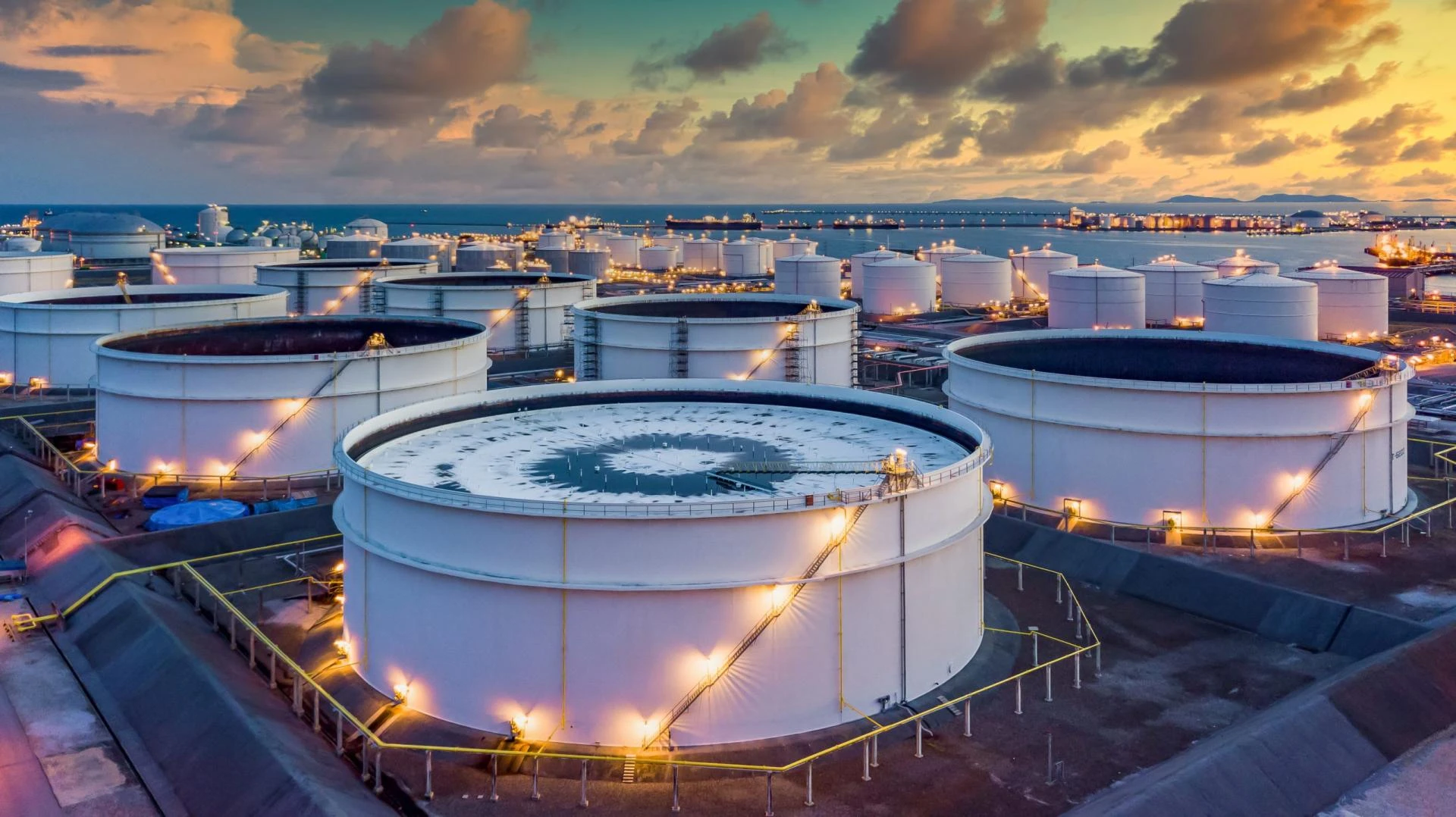

The need for quick access to a dependable fuel supply becomes critical during crises and crisis situations. Emergency fuel suppliers are key in guaranteeing that vital services, such as hospitals, emergency responders, and critical infrastructure, can continue to operate without interruption in the event of a natural catastrophe, a power outage, or other unanticipated circumstances. The significance of emergency fuel providers and their function in preserving energy dependability amid pressing circumstances are discussed in this article.
The Value of Emergency Fuel Providers
When access to conventional gasoline sources may be blocked, emergency fuel suppliers act as a lifeline. Their main objective is to give diverse organisations and institutions a consistent and predictable supply of fuel so they can keep running even when conventional sources aren't accessible. Key elements of their relevance are as follows:
Garanting Constant Power
Emergency fuel providers provide diesel, gasoline, propane, and other fuels to backup generators, guaranteeing the continued functioning of critical institutions including hospitals, data centres, and water treatment plants. To keep vital operations running and preserve lives, these facilities depend on uninterruptible electricity.
Supporting First Responders
In order to mobilise and react quickly to situations, emergency responders like fire departments and law enforcement organisations require fuel. Emergency fuel providers ensure that these vital services have timely access to gasoline, protecting communities during emergencies.
Preserving Food and Medicine
Grocery shops, pharmacies, and cold storage facilities all rely on energy to maintain food and medication at acceptable temperatures. These temperature-sensitive areas are kept in good condition by emergency fuel providers, who also guarantee access to necessary supplies and avoid spoiling.
Transportation and Logistics
During disasters, transportation plays a crucial role in evacuations and the distribution of aid. In order to keep people safe and move necessary materials, emergency fuel providers assist transportation networks, including trucks, buses, and emergency vehicles.
Maintaining Communication
To keep communication channels open, telecommunications and television services need fuel. In times of crisis, remaining connected is essential for sharing information, organising relief efforts, and assisting those in need to seek aid.
Critical infrastructure maintenance
Fuel is necessary for sustaining important infrastructure, such as sewage systems, water treatment facilities, and public transit networks. Emergency fuel providers make sure that these facilities keep operating, avoiding public health emergencies.
Challenges Emergency Fuel Providers Face
While emergency fuel providers are essential to disaster response and recovery, they also have a number of difficulties in successfully carrying out their duties:
Logistical challenges
Distributing gasoline fast to several areas can be difficult, particularly during major disasters. Deliveries to several locations must be coordinated by suppliers, typically inclement weather.
Supply chain disruptions
Natural catastrophes, international hostilities, or economic turbulence can all cause disruptions in the gasoline supply chain, making it more difficult for emergency fuel suppliers to get sufficient supplies.
Safety concerns
Fuel handling and transportation come with inherent dangers. Providers of emergency gasoline must put safety precautions first in order to avoid mishaps and environmental risks.
Regulatory compliance
For emergency fuel suppliers, adherence to safety and environmental requirements is essential. Non-compliance may result in penalties, legal action, and reputational harm.
Allocating resources
Managing fuel distribution and reserves can put a burden on a supplier's capabilities. To ensure preparation for emergencies, proper planning and investment are required.
Oil Tank Inspection
A crucial maintenance procedure to guarantee safety and environmental compliance is oil tank inspection. Visual examinations for corrosion, leaks, and structural integrity are part of routine inspections. To find hidden problems, soil analysis and ultrasonic testing may be used. The proper storage and transportation of oil products is ensured by these inspections, which assist in avoiding oil spills, environmental pollution, and possible risks. To reduce dangers related to oil tank storage, regulatory compliance, and preventive maintenance are crucial.
Need for the right service provider
For a number of reasons, choosing the best service provider for an oil tank check is crucial. First, understanding of the sector is important since experts can precisely detect problems, and ensure compliance and safety. Second, a guarantee of compliance: Reputable suppliers are knowledgeable about legal standards, lowering the chance of legal entanglements. Third, cost-effectiveness: prompt and comprehensive inspections can save expensive leaks or tank breakdowns. Finally, environmental responsibility: by reducing the possibility of contamination and oil spills, regular inspections help to safeguard the environment. In conclusion, selecting the best oil tank inspection service provider is crucial for safety, legal compliance, cost savings, and environmental stewardship.













Sign in to leave a comment.