
In today’s fast-paced business environment, data-driven decision-making is more important than ever. Traditionally, accessing and analyzing data required technical expertise and reliance on IT or dedicated data teams. However, modern advancements have introduced a more accessible approach—self-service analytics. This approach allows non-technical users to explore, visualize, and interpret data without depending on specialized personnel.
By placing analytical tools directly in the hands of business users, organizations can drive efficiency, agility, and innovation. Employees from various departments, including marketing, sales, finance, and operations, can derive insights on their own, reducing bottlenecks and fostering a culture of informed decision-making.
Key Benefits of Self-Service Analytics
1. Enhanced Productivity
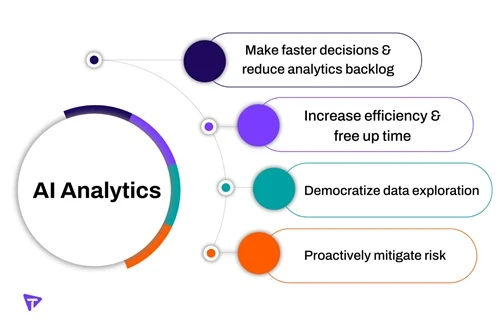
One of the primary advantages of self-service analytics is its ability to boost productivity. When employees can access and analyze data independently, they save time that would otherwise be spent waiting for reports from IT or data analysts. This immediate access allows for faster decision-making, ultimately improving overall business efficiency.
2. Data Democratization
In many organizations, data is often siloed, making it challenging for different teams to access the information they need. Self-service analytics breaks down these barriers, enabling employees at all levels to leverage data for their specific roles. This democratization ensures that insights are not confined to a few individuals but are available to those who need them most.
3. Improved Accuracy and Consistency
By eliminating the need for multiple intermediaries in data analysis, self-service tools help maintain accuracy and consistency. Users can work directly with data sources, reducing errors and discrepancies that might arise from miscommunication or misinterpretation.
4. Faster Response to Market Changes
The ability to analyze data on demand allows businesses to respond more swiftly to market changes. Whether it’s identifying emerging trends, adjusting marketing strategies, or optimizing operations, self-service analytics equips organizations with the agility needed to stay competitive.
5. Cost Efficiency
Relying solely on a centralized data team can be resource-intensive. By enabling employees to handle their own data analysis needs, organizations can optimize resource allocation and reduce dependency on external support. This streamlined approach contributes to overall cost efficiency.
Essential Features of Self-Service Analytics Tools
1. User-Friendly Interface
For self service analytics to be truly effective, the tools must have an intuitive interface. Drag-and-drop functionalities, simple dashboards, and easy-to-navigate menus make it possible for non-technical users to engage with data confidently.
2. Real-Time Data Access
Businesses operate in real-time, and so should their analytics. Self-service tools should provide up-to-date data access, ensuring that decisions are based on the most current information available.
3. Data Visualization Capabilities
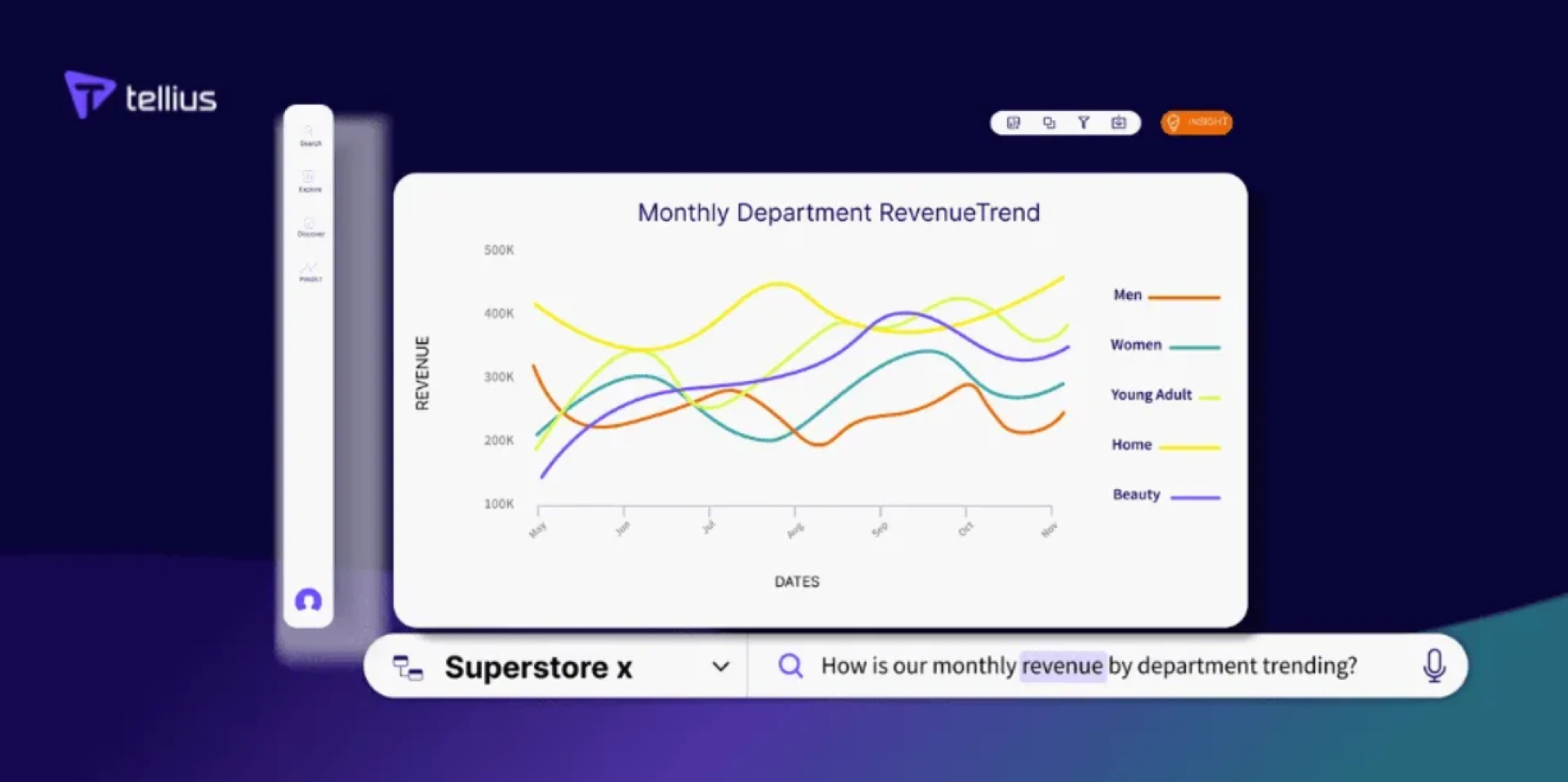
Complex datasets can be difficult to interpret in raw form. Visualization features such as charts, graphs, and interactive dashboards make data more digestible and actionable for users.
4. Integration with Multiple Data Sources
Organizations utilize various data sources, including cloud-based applications, databases, and spreadsheets. A robust self-service analytics tool should integrate seamlessly with these sources, providing a unified view of business performance.
5. Security and Compliance
While accessibility is crucial, security cannot be compromised. Self-service analytics platforms should include role-based access controls, encryption, and compliance with industry regulations to ensure that sensitive data remains protected.
Challenges in Implementing Self-Service Analytics
1. Data Governance Issues
Providing widespread access to data without proper governance can lead to inconsistencies and misinterpretations. Organizations need to establish clear guidelines and best practices to maintain data integrity.
2. Resistance to Change
Shifting from a traditional analytics model to a self-service approach requires cultural adaptation. Employees accustomed to relying on data teams may be hesitant to embrace new tools. Proper training and change management strategies can help ease this transition.
3. Ensuring Data Literacy
While self-service analytics simplifies data access, users still need a foundational understanding of data interpretation. Organizations should invest in data literacy programs to equip employees with the skills needed to make informed decisions.
The Future of Self-Service Analytics
As businesses continue to prioritize data-driven strategies, self-service analytics will evolve to become even more sophisticated. Emerging technologies like artificial intelligence (AI) and machine learning (ML) are expected to enhance these tools, providing predictive insights and automated recommendations.
Additionally, the integration of natural language processing (NLP) will enable users to interact with data through simple queries, further lowering the barrier to entry. With continuous advancements, self-service analytics will become an indispensable asset for organizations looking to maximize efficiency and innovation.
Empowering employees with the ability to analyze and interpret data independently can transform how businesses operate. Self-service analytics enhances productivity, promotes data democratization, and allows for quicker responses to market dynamics. However, successful implementation requires the right tools, governance frameworks, and a commitment to fostering data literacy. As organizations embrace this approach, they unlock new opportunities for growth and efficiency, ensuring they remain agile and competitive in an increasingly data-driven world.










Sign in to leave a comment.