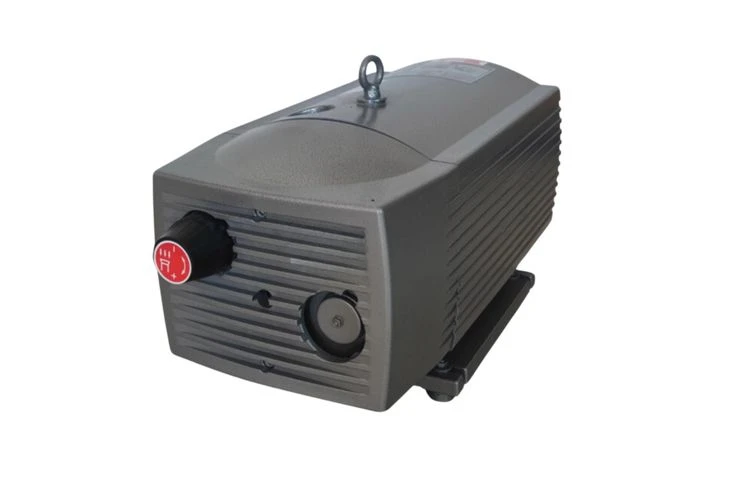
In today’s competitive industrial environment, operational efficiency is not just a benefit—it’s a necessity. As businesses strive to reduce energy consumption and cut overhead, one piece of equipment is quietly leading the charge: the dry rotary vane pump. These next-generation vacuum solutions are helping industries achieve both energy savings and maintenance reductions, making them a smart investment for long-term cost control.
The Evolution of Dry-Vane Technology
Traditional vacuum pumps, particularly those that rely on oil, have long been valued for their reliability. However, they come with recurring costs: oil changes, disposal fees, filtration systems, and the risk of contamination. In contrast, dry rotary vane pumps operate without oil in the compression chamber, which eliminates many of these expenses.
Next-gen models go a step further. They incorporate advanced materials and streamlined designs that improve efficiency, reduce heat generation, and extend operational lifespans—all while consuming significantly less power.
Lower Energy Consumption, Higher Efficiency
One of the standout benefits of modern dry-vane pumps is their reduced energy requirement. Thanks to tighter internal tolerances and optimized rotor-vane configurations, these pumps achieve high vacuum performance without the energy-intensive start-up and running loads of older systems.
In continuous-use environments, such as packaging, plastics, or CNC operations, the cumulative energy savings can be substantial. Some industries report power reductions of up to 30% after switching from traditional lubricated pumps to newer dry-vane alternatives.
Minimal Maintenance, Maximum Uptime
Beyond energy use, maintenance is another area where these pumps shine. Since they don't require oil circulation or complex lubrication systems, there's less wear and fewer components that need regular attention. This translates to fewer shutdowns, lower service costs, and reduced labor for maintenance teams.
Also, many dry-vane models are designed with modularity in mind, making them easy to inspect, clean, and repair without dismantling entire systems. Over time, this simplicity helps companies avoid unexpected expenses and maintain smooth operations.
Designed for Modern Demands
Next-gen dry rotary vane pumps are built to meet the performance demands of modern industrial processes. With features like variable speed drives, integrated cooling systems, and compatibility with smart sensors, they can adjust to fluctuating loads and provide real-time performance feedback—enhancing energy optimization even further.
For industries with environmental or contamination concerns—such as pharmaceuticals, food processing, or electronics—these oil-free systems also eliminate the risk of oil backflow, ensuring cleaner, safer production.
Long-Term Cost Advantage
While the upfront cost of a dry rotary vane pump may be higher than its oil-sealed counterpart, the long-term savings far outweigh the initial investment. Lower energy consumption, reduced maintenance, and longer service life combine to deliver a superior total cost of ownership.
Conclusion
In an era where every kilowatt-hour counts, next-generation dry-vane pumps offer an intelligent path to greater energy efficiency and lower operational costs. Their ability to deliver clean, reliable vacuum performance while minimizing power usage makes them an essential tool for modern industry—and a smart move for the bottom line.
Read More: https://www.4shared.com/web/preview/pdf/sbHa7WtRku?










Sign in to leave a comment.