
Boating, whether for leisure or professional purposes, requires a comprehensive understanding of safety measures. One critical aspect of maritime safety is navigation lighting. Proper lighting not only ensures safe passage but also enhances visibility, particularly during low-light conditions or at night. In recent years, LED technology has revolutionized navigation lighting for boats, offering numerous advantages over traditional incandescent bulbs. In this guide, we delve into the world of boat LED navigation lights, exploring their benefits, types, installation, and regulations to help boaters navigate safely and confidently.
Understanding Boat LED Navigation Lights:
LEDs (Light Emitting Diodes) have become the preferred choice for boat navigation lights due to their efficiency, durability, and reliability. Unlike incandescent bulbs, LEDs produce light through electroluminescence, converting electrical energy into light with minimal heat loss. This results in lower power consumption, longer lifespan, and brighter illumination, making them ideal for marine applications.
Benefits of Boat LED Navigation Lights:
Energy Efficiency: LED navigation lights consume significantly less power than incandescent bulbs, conserving battery life and reducing fuel costs during extended journeys.
Durability: LED lights are highly durable and resistant to shocks, vibrations, and temperature fluctuations, ensuring reliable performance even in harsh marine environments.
Instant Illumination: Unlike traditional bulbs that require warm-up time, LEDs provide instant illumination, improving safety by quickly alerting other vessels to your presence.
Longevity: LED navigation lights have a lifespan of tens of thousands of hours, outlasting incandescent bulbs by a considerable margin and minimizing maintenance requirements.
Types of Boat LED Navigation Lights:
Boat LED navigation lights come in various configurations to suit different vessel types and sizes, as well as navigation requirements. Common types include:
Masthead Lights: Mounted at the front (bow) of the boat, masthead lights are typically white and visible from the front and sides, indicating the presence of a powered vessel underway.
Stern Lights: Positioned at the rear (stern) of the boat, stern lights are white and visible from the rear and sides, signaling the presence of a vessel underway.
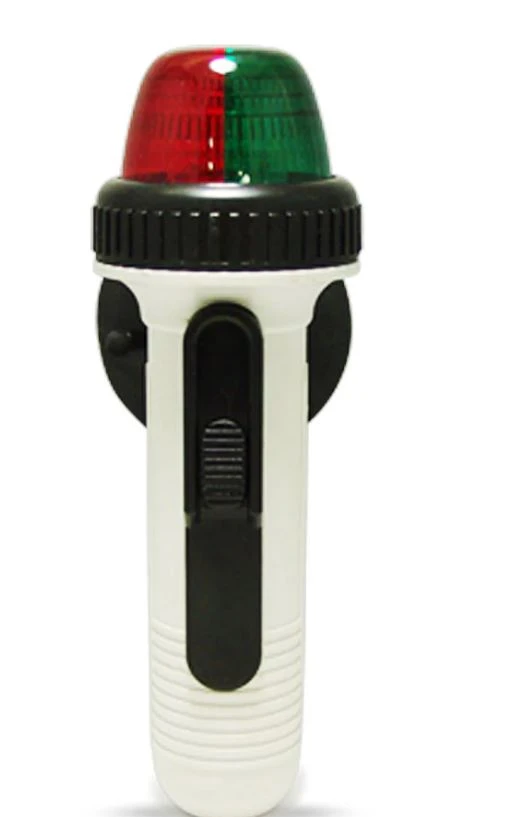
Port and Starboard Lights: Also known as sidelights, these red (port) and green (starboard) lights are mounted on the sides of the boat to indicate its direction of travel relative to other vessels.
All-Round Lights: All-round white lights are used on vessels under 39.4 feet (12 meters) in length to provide 360-degree visibility, serving as either an anchor light or a navigation light.
Installation and Maintenance:
Proper installation and maintenance are crucial for ensuring the effectiveness and longevity of boat LED navigation lights. Here are some key considerations:
Compliance: Install navigation lights in accordance with relevant maritime regulations, ensuring correct positioning, alignment, and visibility angles.
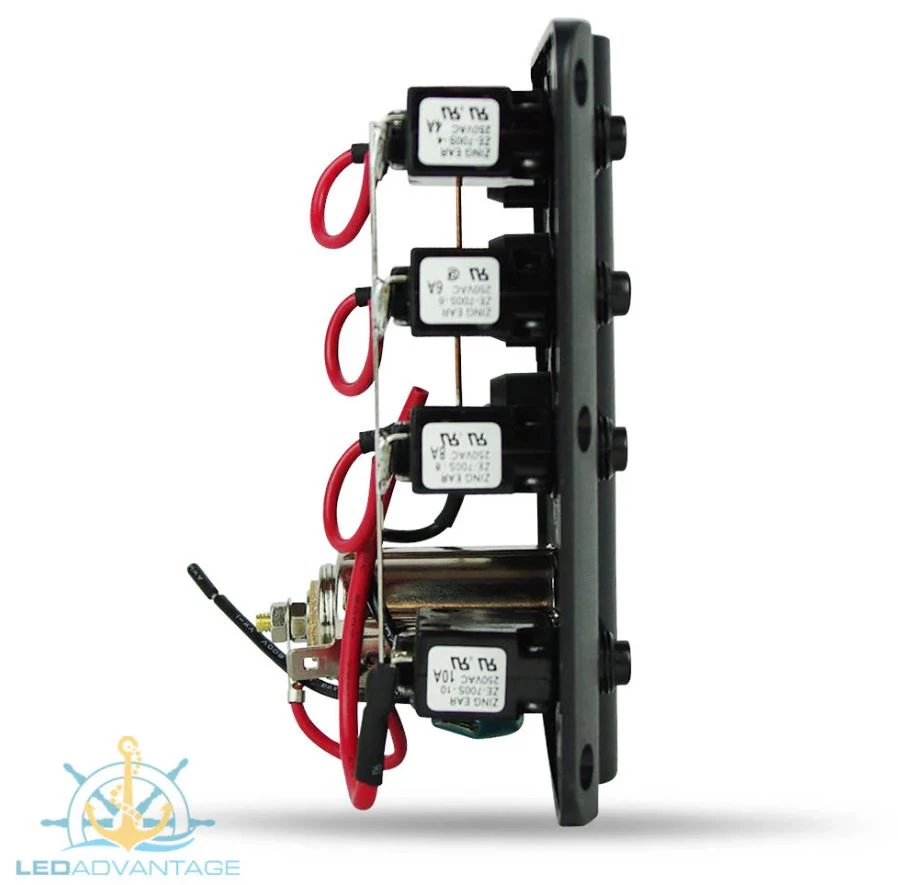
Wiring: Use marine-grade wiring and connectors to prevent corrosion and ensure reliable electrical connections. Secure wiring properly to prevent chafing or damage.
Sealing: Seal the installation points and connections to prevent water ingress, which can cause corrosion and electrical failures.
Regular Inspection: Periodically inspect navigation lights for signs of damage, corrosion, or malfunction. Replace any faulty components promptly to maintain safety and compliance.
Regulations and Compliance:
Boat LED navigation lights must comply with international and local maritime regulations to ensure safe navigation and prevent collisions at sea. Key regulations include:
International Regulations: The International Regulations for Preventing Collisions at Sea (COLREGs) establish guidelines for navigation light configurations, colors, and visibility ranges based on vessel size, type, and operating conditions.
Local Regulations: In addition to international standards, many countries have their own regulations governing boat navigation lights.
Conclusion:
Boat LED navigation lights play a vital role in enhancing safety and visibility on the water, particularly during low-light conditions or at night. Their energy efficiency, durability, and reliability make them the preferred choice for modern boaters seeking optimal performance and peace of mind. By understanding the benefits, types, installation, and regulations associated with LED navigation lights, boaters can navigate confidently and responsibly, ensuring safe passage for themselves and others on the waterways.










Sign in to leave a comment.