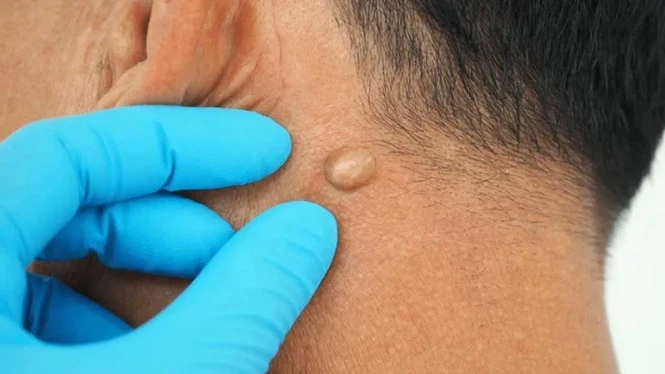

Epidermoid cysts, often mistaken for other skin conditions, are a common type of benign tumor that can appear anywhere on the body. These cysts, which can be both unsightly and uncomfortable, arise from the epidermis—the outermost layer of the skin. Understanding what causes these cysts and how to treat them effectively is crucial for those who are affected and seek relief from their symptoms. This article delves deep into the factors that contribute to the formation of epidermoid cysts and outlines effective treatment options available today.
Understanding Epidermoid Cysts
Epidermoid cysts, also referred to as epidermoid tumors, are small, round lumps that form under the skin. They are typically filled with a soft, cheesy substance composed mainly of keratin, which is a protein found in skin cells. The cysts can vary in size, ranging from a few millimeters to several centimeters in diameter. While they are generally harmless, they may cause discomfort, particularly if they become inflamed or infected.
The appearance of these cysts can be alarming, leading many to seek medical advice. Often, epidermoid cysts are mistaken for lipomas, which are fatty tumors, or sebaceous cysts, which arise from sebaceous glands. However, despite their similarities, epidermoid cysts are distinct in their formation and composition. They are often characterized by a small opening on the surface of the skin, which may sometimes be mistaken for a blackhead.
What Causes Epidermoid Cysts?
The development of epidermoid cysts can often be attributed to a variety of factors. One primary cause is the entrapment of skin cells within the skin. This can occur when the outer layer of the skin, the epidermis, grows abnormally. Factors that may contribute to this abnormal growth include:
- Skin Injuries: Trauma to the skin, such as cuts, burns, or other injuries, can lead to the formation of epidermoid cysts. When skin is damaged, it may result in the abnormal growth of skin cells, which eventually become encapsulated within a sac.
- Genetic Predisposition: Some individuals may be genetically predisposed to developing epidermoid cysts. Certain inherited conditions, such as Gardner's syndrome, can lead to multiple cysts appearing throughout the body. This genetic link underscores the importance of family history in understanding one’s risk for developing these cysts.
- Hormonal Changes: Hormonal fluctuations can also play a role in the development of epidermoid cysts. For example, many women notice an increase in the formation of these cysts during puberty or pregnancy, periods when hormonal changes are significant.
- Blocked Hair Follicles: A common cause of epidermoid cysts is the blockage of hair follicles. This blockage can occur due to the accumulation of keratin within the follicle, leading to the formation of a cyst. Environmental factors, such as exposure to certain chemicals or excessive sun exposure, may also contribute to this blockage.
Understanding these underlying causes can help in the prevention and management of epidermoid cysts. However, it's essential to remember that these cysts are generally benign and do not pose a significant health risk.
Symptoms and Diagnosis
Epidermoid cysts are usually asymptomatic, meaning they do not cause noticeable symptoms unless they become inflamed or infected. When this occurs, individuals may experience redness, swelling, tenderness, or even pain in the affected area. In some cases, the cyst may rupture, leading to the release of its contents, which can cause further irritation and inflammation.
Diagnosis typically involves a physical examination by a healthcare professional. In most situations, the appearance of the cyst is enough for a diagnosis. However, in cases where there is uncertainty, a biopsy may be performed to rule out other conditions. This procedure involves removing a small sample of tissue from the cyst to analyze it under a microscope.
Epidermoid Cyst Treatment
The treatment of epidermoid cysts largely depends on their size, location, and whether they cause discomfort. Many cysts do not require any treatment, especially if they are not bothersome. However, for those seeking relief or concerned about the appearance of cysts, several treatment options are available.
- Observation: In cases where the cyst is small and asymptomatic, healthcare providers may recommend a watch-and-wait approach. Regular monitoring can ensure that the cyst does not grow or become problematic.
- Incision and Drainage: For cysts that become inflamed or infected, a common treatment is incision and drainage. During this procedure, a healthcare provider will make a small incision in the cyst and gently squeeze out its contents. This can provide immediate relief from discomfort and reduce inflammation. However, this method may not prevent the cyst from returning, as the cyst wall is not removed.
- Excision: The most definitive treatment for epidermoid cysts is surgical excision. This procedure involves removing the entire cyst along with its wall, which significantly reduces the risk of recurrence. Excision is typically performed under local anesthesia, and while it may leave a scar, it is often considered the best option for those with recurrent cysts or larger growths.
- Injection Therapy: In some cases, corticosteroid injections may be used to reduce inflammation and shrink the cyst. This method may be particularly beneficial for cysts that are inflamed but do not require surgical intervention. However, it is less effective for larger cysts and does not remove the cyst entirely.
- Home Remedies: While not clinically proven, some individuals may explore home remedies to manage their cysts. Warm compresses applied to the cyst may help reduce swelling and discomfort. However, it's essential to avoid squeezing or attempting to pop the cyst at home, as this can lead to infection.
Conclusion
In conclusion, epidermoid cysts are a common skin condition that can arise due to various factors, including skin injuries, genetic predisposition, hormonal changes, and blocked hair follicles. While they are generally benign and often asymptomatic, effective treatment options are available for those seeking relief. From observation to surgical excision, individuals have several avenues to explore based on their specific circumstances.
If you or someone you know is dealing with epidermoid cysts, it is essential to consult a healthcare professional for an accurate diagnosis and appropriate treatment plan tailored to individual needs. For expert guidance on epidermoid cyst treatment, consider reaching out to a qualified practitioner. Robert Louis MD is an excellent resource for individuals seeking comprehensive care and effective solutions for skin conditions like epidermoid cysts.













Sign in to leave a comment.