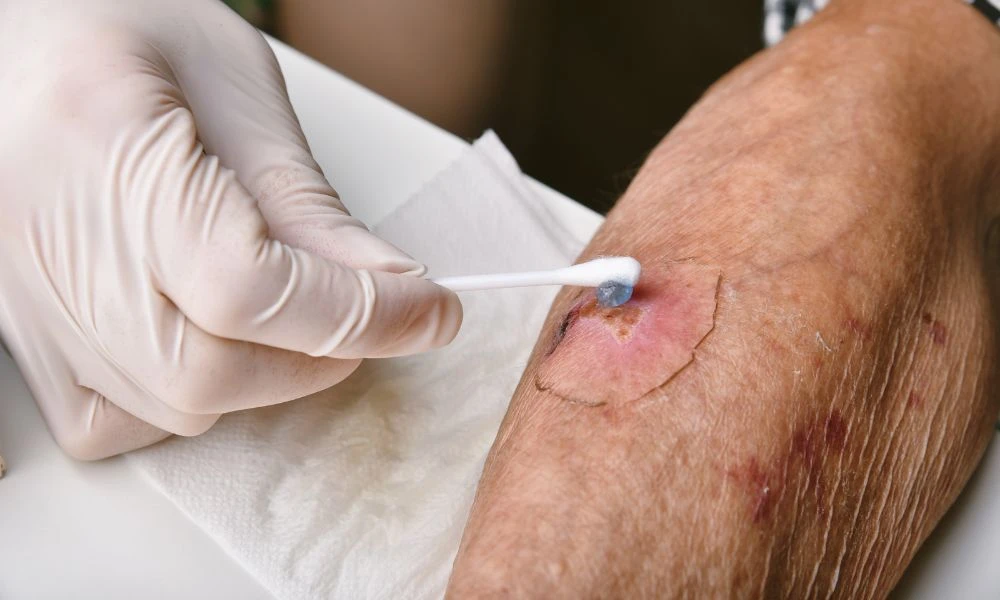

Wounds are a part of life, but when they don’t heal properly, they can become a serious health problem. Many people try to manage wounds at home for too long, and by the time they see a doctor, the wound has already worsened. The truth is, early wound care can prevent complications and speed up recovery.
In this blog, we will discuss how to clean an infected wound, what a non healing wound means, the right approach for non healing wound treatment, and safe methods for infected wound care at home. If you or your loved one is struggling with a wound that refuses to heal, this guide will help you understand what to do next.
Why Proper Wound Care is Important
Every wound has the potential to heal naturally. But certain conditions like diabetes, poor circulation, or repeated infections can delay the healing process. A small cut may turn into a non healing wound if ignored. This is why timely care and regular check-ups are so important.
At India’s First Wound Care Helpline, we help people understand their wound type and connect them with expert guidance for the right treatment.
How to Clean an Infected Wound
If a wound becomes red, swollen, painful, or starts producing pus, it may be infected. Many people wonder how to clean an infected wound safely. Here are the basic steps:
- Wash your hands thoroughly before touching the wound.
- Gently rinse the wound with clean water.
- Use mild soap around (but not inside) the wound.
- Apply an antiseptic solution as recommended by a doctor.
- Cover with a clean, sterile dressing.
While these steps are useful for minor cases, severe infections require medical care. If the wound has foul smell, high pain, or spreads rapidly, you should not rely only on infected wound care at home. A wound care specialist can guide you better.
What is a Non Healing Wound?
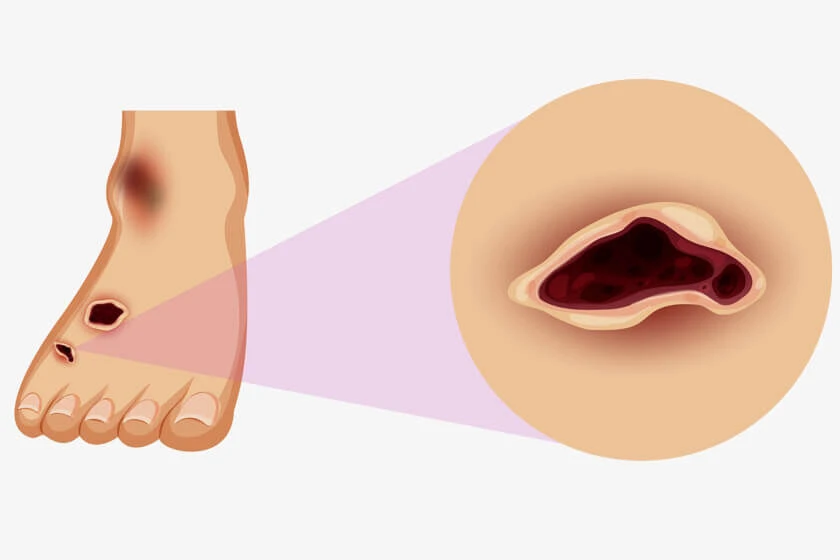
A wound is called a non healing wound when it doesn’t show improvement even after weeks of care. This is usually a sign of an underlying health problem. Common reasons include:
- Diabetes
- Poor blood circulation
- Repeated trauma to the wound
- Malnutrition
- Severe infections
Unlike normal wounds, a non healing wound does not respond to simple home remedies. It needs proper assessment by an expert.
Non Healing Wound Treatment
Non healing wound treatment focuses on two things – improving the wound itself and addressing the underlying cause. Treatment may include:
- Cleaning the wound and removing dead tissue
- Using advanced dressings that promote healing
- Controlling infection with medicines if needed
- Improving nutrition and blood circulation
- Treating conditions like diabetes or vascular disease
Delaying care in such cases can lead to serious complications. This is why regular wound check-ups are strongly advised.
Infected Wound Care at Home: Do’s and Don’ts
Many patients try infected wound care at home before consulting a doctor. While home care is possible in early stages, it is important to do it safely:
✅ Do’s:
- Keep the wound clean and covered
- Change dressings regularly
- Eat a balanced diet for faster healing
- Watch for signs of infection like pus or swelling
❌ Don’ts:
- Do not apply random household items like toothpaste or turmeric directly
- Do not ignore foul smell or severe pain
- Do not keep the wound uncovered in dusty or dirty surroundings
Remember, at-home care can be supportive, but professional consultation is always better for long-term recovery.
Why You Shouldn’t Delay a Wound Check-Up
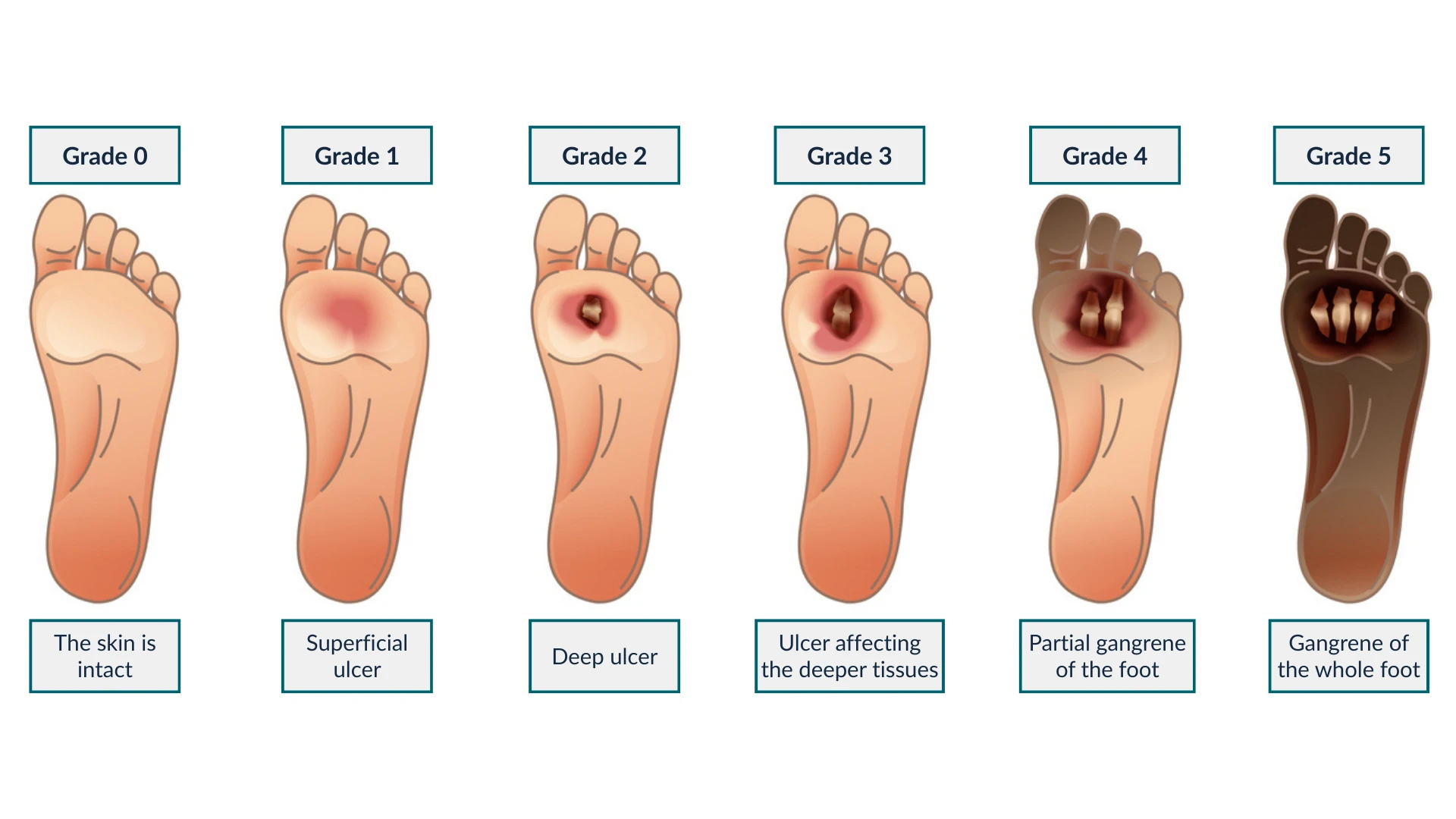
Ignoring a wound or trying endless home remedies often makes the situation worse. A simple blister can become a non healing wound, and an untreated infection can spread deeper into muscles or even bones.
At Wound Guide, we believe that early care is the best care. Our helpline connects you with experts who can guide you about the best cleaning methods, dressings, and treatments.
FAQs on Wound Care
Q1. How to clean an infected wound safely at home?
You can clean it by rinsing with clean water, using mild soap around the area, and applying antiseptic. Always cover it with a clean dressing. If the infection is deep, consult a doctor.
Q2. What is the meaning of a non healing wound?
A non healing wound is one that does not improve even after weeks of care. It often needs expert treatment and may be linked to conditions like diabetes or poor circulation.
Q3. What are the options for non healing wound treatment?
Treatment includes proper cleaning, special dressings, removing dead tissue, improving nutrition, and controlling underlying conditions.
Q4. Is infected wound care at home enough?
Home care may help in early stages, but if the wound shows pus, swelling, or foul smell, consult an expert immediately.
Q5. When should I get a wound check-up?
If your wound is not healing, looks infected, or you are diabetic, you should get a wound check-up without delay.
Final Thoughts
Wounds may look small, but they should never be ignored. Knowing how to clean an infected wound, understanding the risks of a non healing wound, and following the right approach for non healing wound treatment can prevent bigger health problems. While infected wound care at home can help in early cases, nothing replaces expert advice.
For safe and reliable guidance, connect with WoundGuide.org – India’s First Wound Care Helpline.












Sign in to leave a comment.