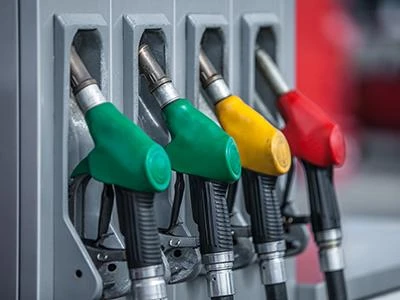

India’s fuel story is changing. Not long ago, it was all about petrol and diesel. But today, the country is moving towards cleaner, smarter, and more sustainable energy. One of the biggest steps in this direction is the use of ethanol blended petrol.
If you own a bike or a car, you’ve probably noticed E10 or E20 signs at fuel stations. But what do they mean? Will this new fuel affect mileage? Is it safe for older vehicles? And is it really better for the environment? Let’s break it down in simple words.
What is Ethanol Blended Petrol?
Ethanol blended petrol is created by mixing petrol with ethanol, a biofuel made from crops like sugarcane, corn, or rice husks. Ethanol is basically alcohol, and when added to petrol, it improves combustion and reduces harmful emissions.
Instead of running completely on fossil fuel, your vehicle gets a mix of petrol and renewable energy. That makes it cleaner and closer to what we call high quality fuel.
Currently, two blends are in use:
- E10: 10% ethanol + 90% petrol. Already available everywhere and safe for most modern vehicles.
- E20: 20% ethanol + 80% petrol. Rolling out across India and expected to be widely available by 2025. Vehicles, however, need to be E20-ready.
Why is India Switching to Ethanol Petrol?
The push for ethanol isn’t random. There are strong reasons behind it:
- Reduce Oil Imports – Less dependency on global crude oil prices.
- Cleaner Air – Ethanol burns with fewer toxic emissions.
- Support for Farmers – Since ethanol is made from crops, it creates demand and boosts rural income.
- Energy Security – More control over the country’s fuel supply.
It’s a big win for the economy, the environment, and for everyday people like us.
Impact on Bikes and Cars
For riders and drivers, the main concerns are mileage and performance. Here’s what to expect:
- Mileage: Slight dip. With E10, the difference is around 3–4%. With E20, it may be a bit more noticeable.
- Performance: Ethanol has a higher octane rating, which prevents knocking and ensures smoother combustion. If you’re filling up with high quality fuel, the ride actually feels better.
- Older Vehicles: Bikes and cars made before 2001 may not be fully compatible with higher blends like E20.
- Maintenance: Since ethanol absorbs moisture, vehicles not used regularly may need fuel stabilizers.
Benefits of Ethanol Blended Petrol
- Cleaner air in cities
- Renewable and eco-friendly fuel source
- Better engine performance with less knocking
- Boost to the agricultural sector and rural economy
- Prepares India for a greener, E20-ready future
Precautions You Should Take
- Always check your vehicle’s manual for compatibility.
- Don’t mix ethanol petrol with other fuels unless recommended.
- Keep an eye on fuel lines and seals in older vehicles.
- Always refuel at trusted stations to ensure high quality fuel.
Everyday Tips for Riders
- For city commutes, E10 is more than enough.
- Long-distance? Check if E20 is available along your route.
- For older bikes (15+ years), stick to regular petrol or ask a mechanic before switching.
- Never compromise on fuel quality.
Final Thoughts
Ethanol blended petrol is not just a new option at the pump. It’s part of India’s bigger move towards cleaner air, reduced oil imports, and energy independence.
E10 is already here and safe for almost all modern vehicles. E20 is coming by 2025. By adapting early and making sure your vehicle is compatible, you’ll be ready for the future of high quality fuel.
At the end of the day, it’s not just about mileage or performance. It’s about contributing to a cleaner environment and being part of India’s journey towards sustainable energy.











Sign in to leave a comment.