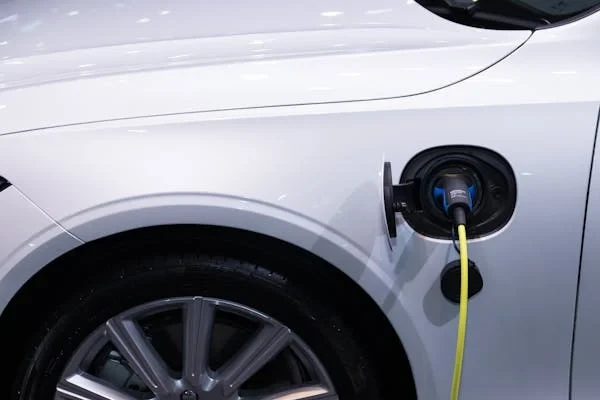

With the rise of electric vehicles (EVs), the demand for reliable EV chargers has skyrocketed. Whether you're a homeowner looking for a residential EV charger or a business owner needing a commercial EV charger, understanding the options available can help you make an informed decision.
Why Invest in EV Chargers?
EV chargers are essential for maintaining the performance and convenience of electric vehicles. They not only ensure your vehicle is always ready to go but also contribute to reducing carbon emissions, making them a sustainable choice for the future.
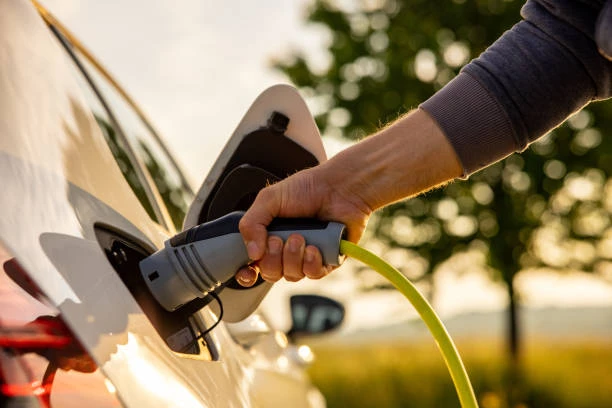
Types of EV Chargers
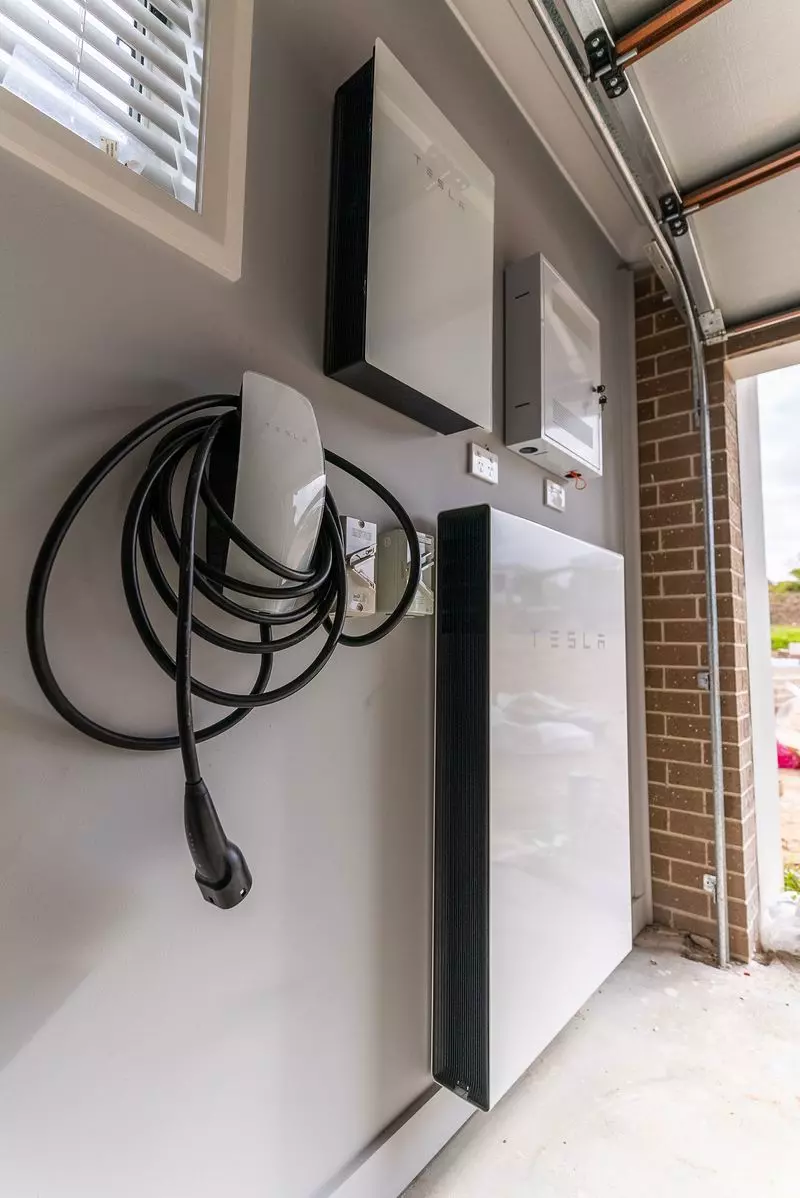
- Residential EV Chargers
- Level 1 Chargers: Plug into standard household outlets. Ideal for overnight charging but slower.
- Level 2 Chargers: Require a 240V outlet. Faster charging and perfect for daily use.
- Smart Chargers: Offer Wi-Fi connectivity, scheduling features, and energy tracking.
- Commercial EV Chargers
- Level 2 Commercial Chargers: Suitable for businesses, shopping centers, and public parking areas.
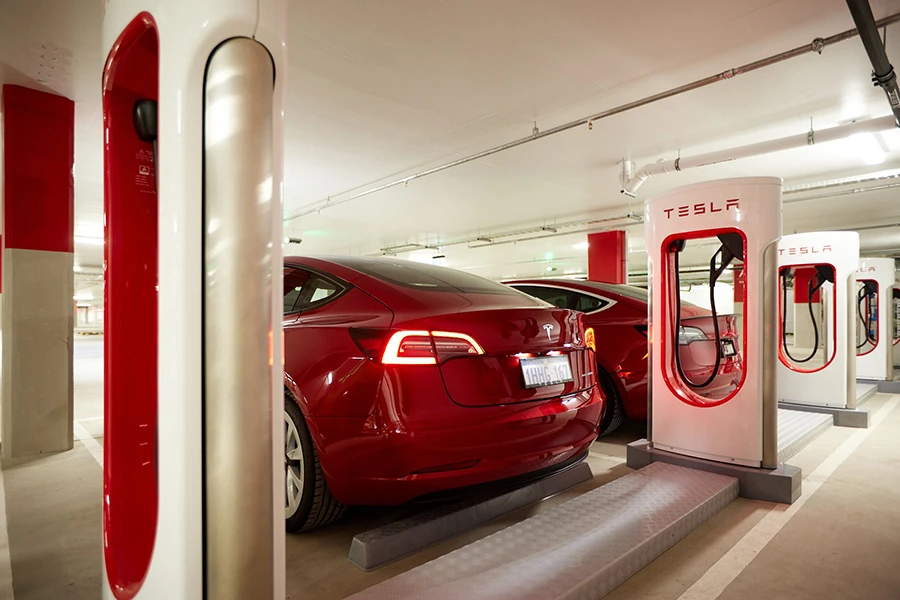
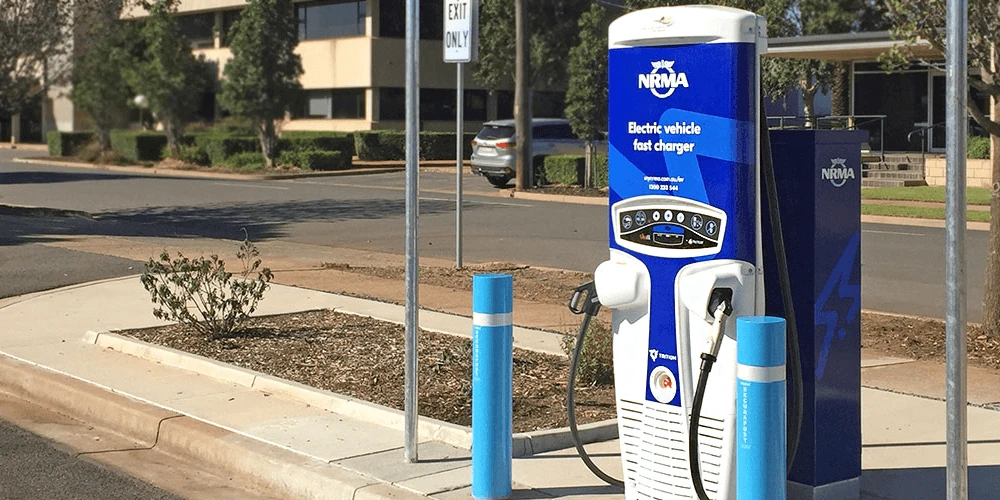
- DC Fast Chargers: Provide rapid charging, perfect for high-traffic areas or fleet management.
- Networked Chargers: Enable payment processing, usage monitoring, and remote management.
Benefits of Installing EV Chargers
- Convenience: Charge your vehicle at home or work without relying on public stations.
- Cost Savings: Reduce fuel costs and take advantage of government incentives.
- Eco-Friendly: Lower your carbon footprint and support sustainable energy.
- Property Value: Increase the value of your home or commercial property.
Key Features to Look for in EV Chargers
- Charging Speed: Consider how quickly you need your vehicle charged.
- Compatibility: Ensure the charger is compatible with your EV model.
- Smart Features: Look for options like remote monitoring, scheduling, and energy usage reports.
- Durability: Weather-resistant designs are crucial for outdoor installations.
Installation Process
- Site Assessment: Evaluate the best location for your charger.
- Electrical Requirements: Ensure your home or business has the necessary electrical capacity.
- Professional Installation: Hire a certified electrician for safe and compliant installation.
- Testing and Setup: Verify the charger is functioning correctly and configure any smart features.
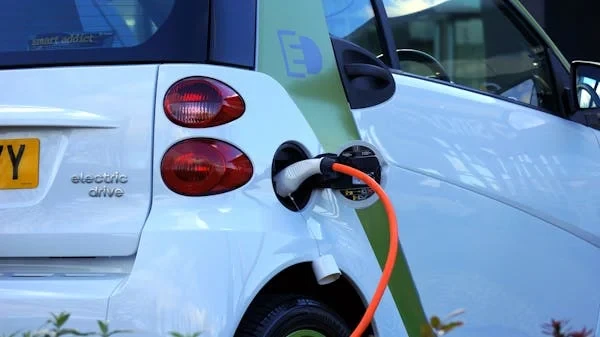
FAQs
Q: How long does it take to charge an EV at home?
A: Charging time depends on the charger type. Level 1 chargers can take up to 20 hours, while Level 2 chargers typically take 4-8 hours.
Q: Can I install a commercial EV charger at my home?
A: While possible, commercial chargers are usually overpowered for residential use and more expensive to install.
Q: Are there government incentives for installing EV chargers?
A: Yes, many regions offer rebates and tax credits for both residential and commercial EV charger installations.
Testimonial
"Installing a residential EV charger was the best decision I've made. The convenience of charging overnight and the cost savings on fuel have been incredible. Plus, it's great to know I'm contributing to a greener planet." – Sarah M., EV Owner
"As a business owner, adding commercial EV chargers to our parking lot has attracted more customers and enhanced our brand's commitment to sustainability." – John D., Business Owner
Conclusion
Whether for personal or business use, EV chargers are a smart investment that offers convenience, cost savings, and environmental benefits. By understanding the different types, features, and installation processes, you can choose the perfect EV charger to meet your needs. Embrace the future of transportation and make the switch to electric today!











Sign in to leave a comment.