

When people notice a sudden ache, bleeding gums, or a chipped tooth, dental care often becomes a priority. These issues usually prompt an appointment because discomfort or visible damage is hard to ignore. When teeth feel fine, however, regular oral hygiene is sometimes overlooked.
This reactive approach can allow small concerns to grow into larger problems over time. When oral hygiene is part of everyday life, it helps protect comfort, appearance, and overall wellbeing. Routine attention supports early detection, healthier gums, and stronger teeth.
When consistent habits are combined with regular check-ups, oral care becomes a steady way to maintain oral health rather than a response to pain.
What Dental Care Really Means
Dental care goes beyond fixing teeth. It involves prevention, early checks, and guidance that helps people avoid larger issues later. Brushing and flossing at home form the base, but professional care adds another layer of protection.
Dentists and hygienists look for early signs of decay, gum disease, and wear. These problems often develop slowly. Oral care aims to address them before discomfort begins.
The Value of Routine Visits
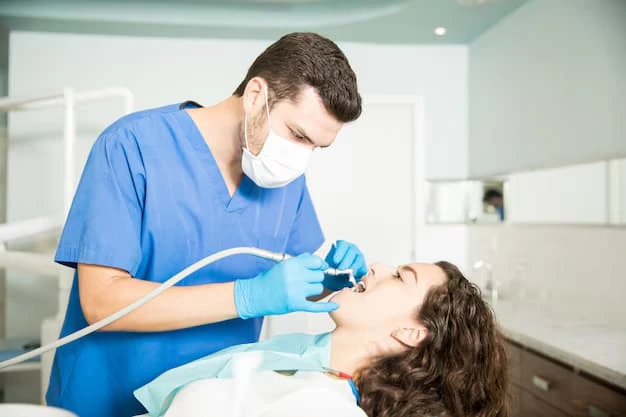
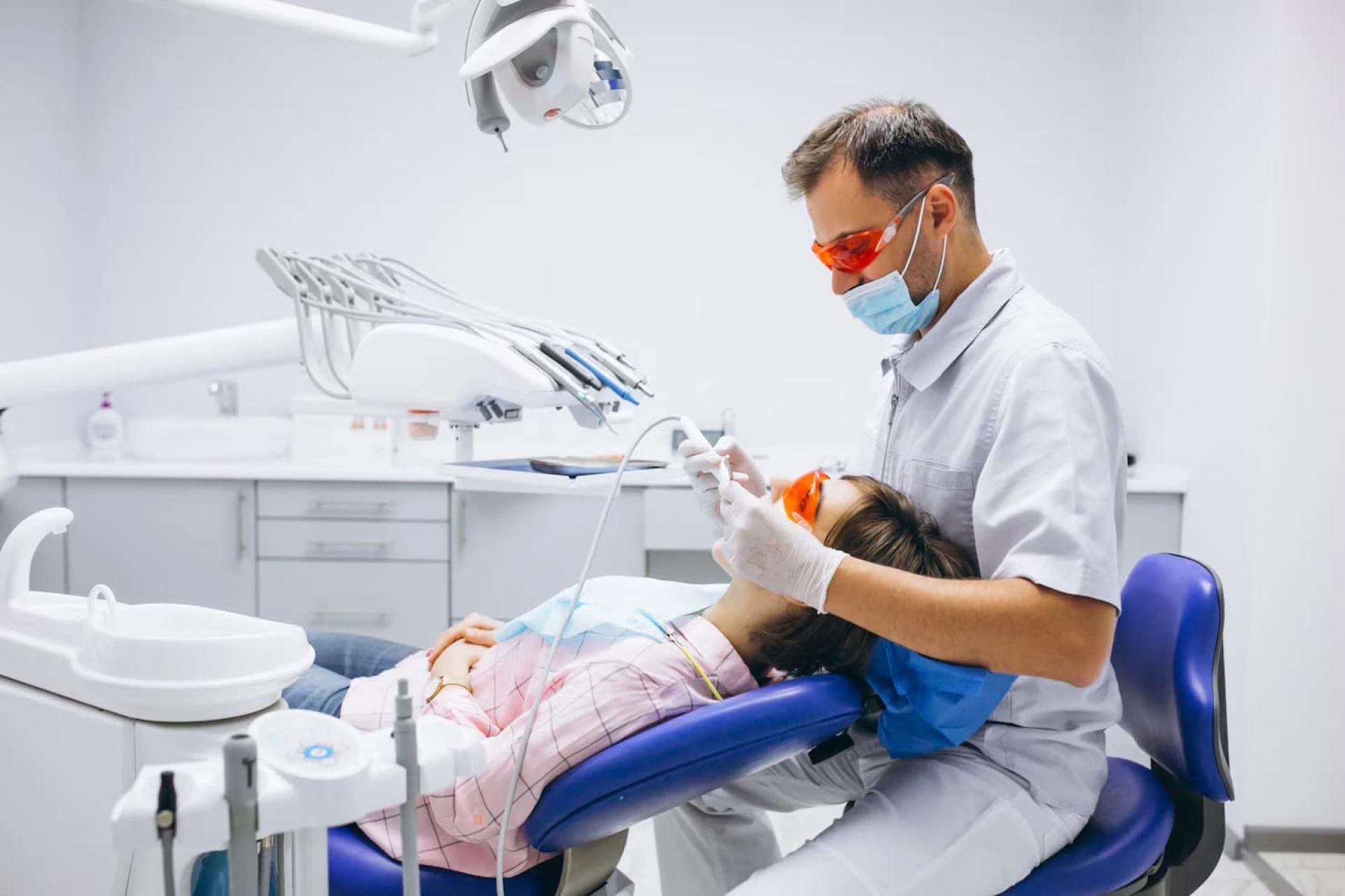
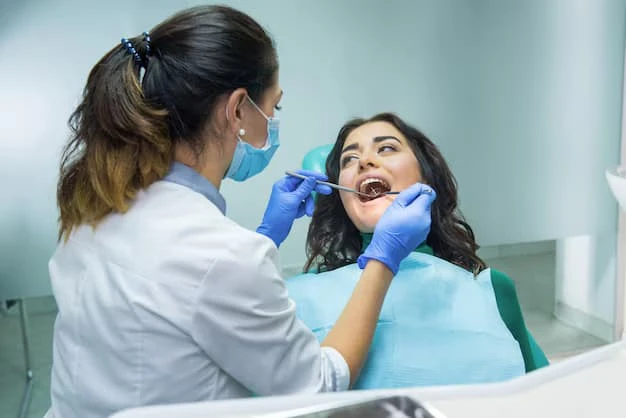
Regular check-ups play a key role in dental care. During these visits, teeth and gums are examined, and plaque build-up is removed. This process helps reduce the risk of cavities and gum problems.
Routine oral hygiene also gives patients time to ask questions. Advice on brushing methods, cleaning tools, and diet can help improve daily habits. Over time, these small changes protect long-term oral health.
Preventive Care and Early Support
Preventive dental care focuses on stopping problems before they grow. Fluoride treatments, hygiene visits, and early repairs all support this goal.
For example, small areas of decay can be treated easily when found early. Left untreated, they may lead to pain or infection. Oral care that focuses on prevention helps reduce stress and future treatment needs.
Oral Hygiene and Gum Health
Healthy gums are essential for strong teeth. Gum disease often begins quietly, with mild bleeding or tenderness. Without care, it can progress and affect tooth support.
Oral care includes gum checks and cleaning below the gum line when needed. Hygienists play an important role here. They help remove plaque that brushing alone may miss and guide patients on gentle cleaning methods.
Daily Habits That Support Dental Care
Home routines support professional oral care. Brushing twice a day with fluoride toothpaste helps protect enamel. Flossing or using interdental brushes cleans areas between teeth.
Diet also matters. Sugary foods and acidic drinks can weaken teeth. Oral hygiene advice often includes simple changes, such as limiting snacks between meals or rinsing with water after acidic drinks.
Dental Care for Different Life Stages
Dental needs change over time. Children require guidance as teeth develop. Adults may focus on maintenance and repair. Older adults may need support with wearing, gum health, or missing teeth.
Oral hygiene adapts to each stage. This approach helps maintain comfort and function throughout life. Regular reviews allow care to adjust as needs change.
Restorative Treatments and Care Planning
When damage occurs, restorative treatments help return comfort and function. Fillings, crowns, and other repairs are part of dental care. The aim is to protect the tooth and prevent further issues.
Good planning is important. Dentists consider bite, oral health, and daily habits before treatment. This careful approach supports results that feel natural and last longer.
Dental Care and Confidence
Oral health affects confidence more than many people realise. Discomfort, visible damage, or missing teeth may lead to hesitation when speaking or smiling.
Oral care helps address these concerns gradually. Improving comfort and appearance often leads to better confidence. This change can influence social interactions and daily ease.
The Role of Clear Communication
Trust is central to oral hygiene. Patients benefit when dentists explain findings and options clearly. Understanding why a treatment is suggested helps people feel involved and informed.
Open discussion also supports realistic expectations. Oral care focuses on practical outcomes rather than quick fixes. Clear guidance helps patients feel comfortable with their decisions.
Long-Term Care and Maintenance
Dental care does not end after treatment. Follow-up visits and ongoing hygiene help protect results. Dentists may suggest retainers, protective guards, or regular reviews.
Long-term oral care turns treatment into an investment rather than a short-term solution. With steady attention, results remain comfortable and reliable.
Choosing the Right Approach to Oral Care
Not all dental needs are the same. Some people require simple maintenance. Others may need more involved care. Choosing a dentist who listens and explains options matters.
Oral care works best when it fits individual needs and lifestyle. Calm environments, clear plans, and steady follow-up help build trust and comfort over time.
Oral Hygiene as Part of Overall Health
Oral health connects with general wellbeing. Gum disease has links with other health conditions. Pain or infection can affect sleep, eating, and focus.
Oral care supports overall health by reducing these risks. Regular visits help maintain balance and comfort, contributing to a better quality of life.
Building a Sustainable Routine
Consistency is key. Small daily habits combined with professional oral hygiene create strong protection. Skipping visits or ignoring early signs often leads to larger problems.
A sustainable routine includes home care, regular check-ups, and openness to advice. This balanced approach supports lasting oral health.
Final Thoughts
Dental care plays a quiet but important role in daily life. It supports comfort, appearance, and long-term wellbeing through prevention, early checks, and thoughtful treatment. Regular visits, good home habits, and clear communication all contribute to steady oral health.
Rather than reacting to problems, consistent oral care helps people feel more at ease and confident over time. With a balanced approach, oral hygiene becomes a natural part of looking after overall health and maintaining a comfortable, confident smile.
Sign in to leave a comment.