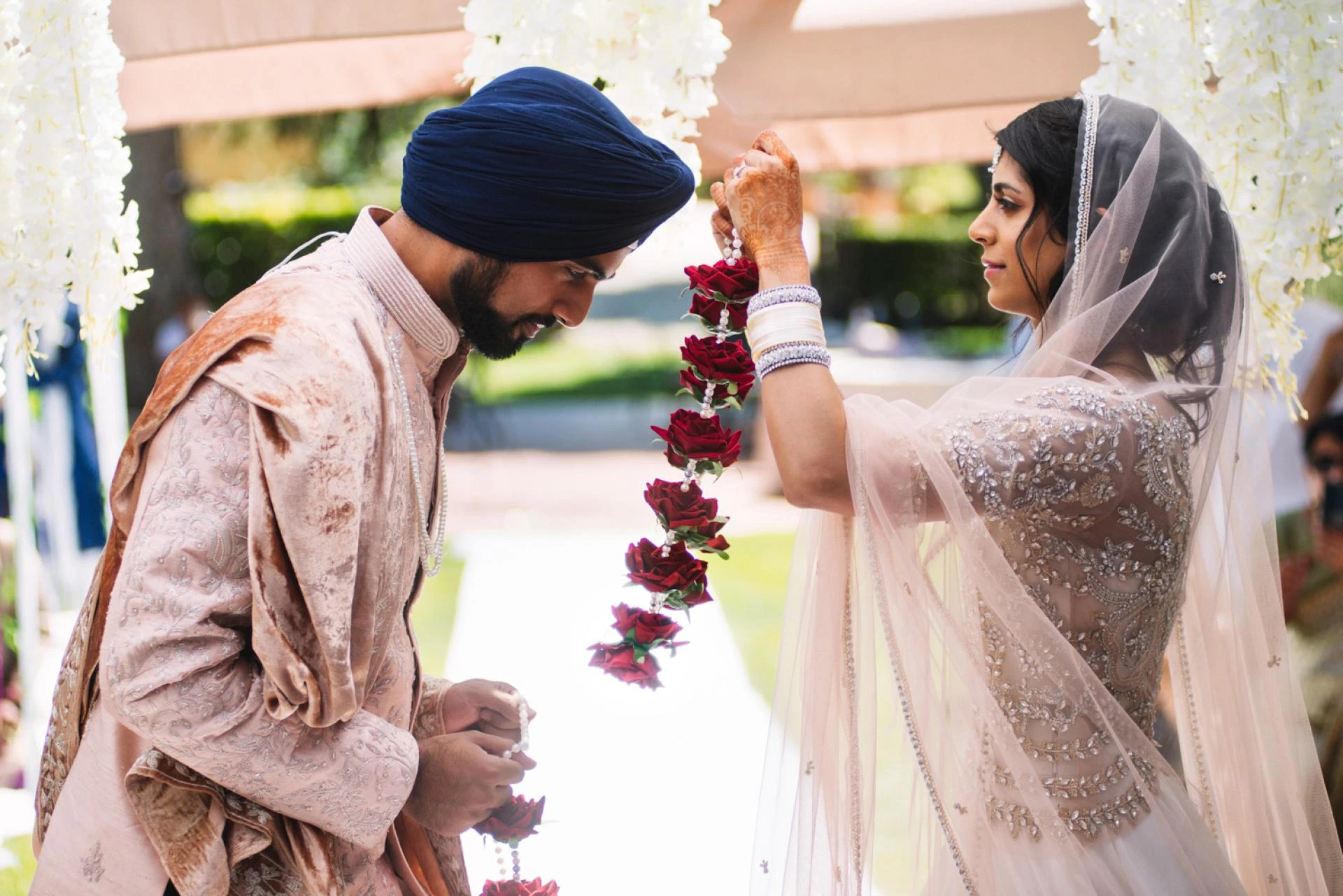

Hindu Sikh weddings, also known as Anand Karaj, are a beautiful amalgamation of two distinct Indian cultures—Hinduism and Sikhism. These weddings showcase the rich traditions, rituals, and customs that are deeply embedded in the fabric of Indian society. From pre-wedding ceremonies to the main wedding rituals, and post-wedding celebrations, Hindu Sikh weddings are a vibrant tapestry of cultural practices and religious significance.
Marriages between Hindus and Sikhs are becoming increasingly common, and there are various reasons why couples from these two communities might choose to tie the knot like Shared values, Cultural similarities, Interfaith acceptance, etc. Finding a partner for Sikh marriage is sometimes difficult Best Sikh Matrimony is the popular site to find Marriage matches in the Sikh communities.
Pre-Wedding Ceremonies:The journey of a Hindu Sikh wedding typically begins with a series of pre-wedding ceremonies that set the stage for the auspicious union. These ceremonies vary in name and customs but share a common purpose of preparing the couple for their married life. The families of the bride and groom are actively involved in organizing these events, fostering a sense of togetherness.
One of the key pre-wedding rituals is the "Roka" or engagement ceremony, where the families officially announce the alliance. This ceremony is marked by the exchange of gifts, blessings, and the tying of a ceremonial thread, symbolizing the commitment between the two families. Following the Roka, the families may engage in other ceremonies like the "Mangni" or engagement, where rings are exchanged, and the "Chunni Chadana," where the groom's family presents the bride with a bridal veil or chunni.Mehendi and Sangeet:
The Mehendi and Sangeet ceremonies are lively and colorful preludes to the main wedding day. During the Mehendi ceremony, intricate henna designs are applied to the bride's hands and feet, symbolizing beauty and auspiciousness. It is a joyous occasion where the bride, her female relatives, and friends come together to celebrate. The Sangeet ceremony is a musical and dance-filled evening, where both families join in the revelry. Songs, dance performances, and skits add to the festive atmosphere, creating memorable moments for everyone involved.Main Wedding Rituals - Anand Karaj:
Anand Karaj translates to "Blissful Union," and the ceremony is conducted according to Sikh religious traditions as outlined in the Guru Granth Sahib, the holy scripture of Sikhism. The ceremony begins with the "Milni," where the families of the bride and groom formally meet and exchange greetings. This is followed by the "Anand Karaj" ceremony, where the bride and groom, in the presence of the Guru Granth Sahib, take four rounds around the holy scripture, symbolizing their commitment to each other and to God. The "Laavaan," four hymns from the Guru Granth Sahib, are recited during each round, each emphasizing different aspects of marital life.Saat Phere:
The "Saptapadi" or "Seven Steps," commonly known as the "Seven Phere," is a significant ritual in Hindu weddings, including those that may be part of Hindu Sikh weddings. This ritual holds profound spiritual and symbolic importance as the couple takes seven vows, representing seven promises they make to each other as they embark on their marital journey.Post-Wedding Customs:
Post the Anand Karaj, the newlyweds are considered a married couple, and the celebrations continue with various customs. One such custom is the "Doli," where the bride bids farewell to her family and is escorted to her new home by the groom and his family. The couple seeks blessings from the elders, and the bride throws rice over her shoulders, symbolizing prosperity and abundance in her new life.
In Hindu Sikh weddings, the families often incorporate customs from both traditions, enriching the post-wedding festivities. The "Vidaai," a traditional Hindu custom where the bride says goodbye to her family, may be followed by a reception that combines elements from both cultures. This blending of customs reflects the unity and harmony that Hindu-Sikh weddings strive to embody.
The seamless blend of Hindu and Sikh customs creates a unique and harmonious ceremony, rich in spiritual significance and cultural symbolism. From the lively pre-wedding celebrations to the solemnity of the Anand Karaj and the joyous post-wedding rituals, Hindu Sikh weddings are a testament to the beauty of India's cultural tapestry and the richness of its diverse traditions.









Sign in to leave a comment.