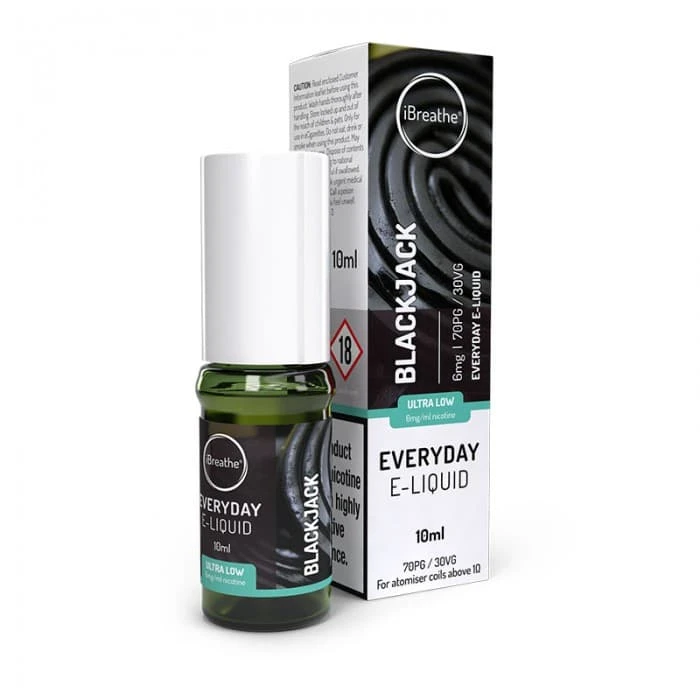

The vaping industry has seen a significant rise in popularity over the past decade. With this surge comes a growing interest in the various products available, particularly e-liquids. Understanding the regulations, ingredients, and options available for legal e-liquids in the UK is essential for both new and experienced vapers. This article aims to provide a comprehensive guide on everything you need to know about legal e-liquids UK.
What Are E-liquids?
E-liquids, or vape juices, are the fluids used in electronic cigarettes and vaping devices. They are heated to produce vapor, which is inhaled by the user. E-liquids typically consist of four main components: propylene glycol (PG), vegetable glycerin (VG), flavorings, and nicotine (optional).
- Propylene Glycol (PG): This is a colorless, odorless liquid that is commonly used in food and pharmaceutical products. In e-liquids, PG serves as a base and helps to create a throat hit, similar to what smokers experience with traditional cigarettes.
- Vegetable Glycerin (VG): VG is a thicker, sweeter liquid derived from vegetable oils. It produces larger vapor clouds and has a smoother throat hit compared to PG. Many users prefer a higher VG content for a more enjoyable vaping experience.
- Flavorings: E-liquids come in a wide variety of flavors, ranging from fruity to dessert-like. These flavorings are food-grade and are designed to enhance the vaping experience.
- Nicotine: This is an optional ingredient in e-liquids. Users can choose from various nicotine strengths, allowing them to tailor their vaping experience according to their preferences.
Legal Regulations Surrounding E-liquids in the UK
The UK has stringent regulations in place regarding the sale and manufacture of e-liquids to ensure consumer safety. The Tobacco Products Directive (TPD), enacted by the European Union, governs the sale of vaping products in the UK. Key points of this regulation include:
- Bottle Size: E-liquids sold in the UK must be contained in bottles no larger than 10ml. This is to minimize the risk of accidental ingestion, especially among children.
- Nicotine Strength: The maximum nicotine concentration allowed in e-liquids is 20mg/ml. This limit helps to reduce the risk of nicotine addiction among users.
- Childproof Packaging: All e-liquids must be sold in childproof packaging to prevent accidental access by minors.
- Health Warnings: E-liquids must feature health warnings on their labels, informing users of the potential risks associated with nicotine use.
- Notification Requirements: Manufacturers are required to notify the relevant authorities about their products, including detailed information on ingredients and safety assessments.
These regulations ensure that consumers have access to safe products while also protecting public health.
Types of Legal E-liquids Available in the UK
The market for legal e-liquids in the UK is diverse, catering to a wide range of preferences. Some of the most common types include:
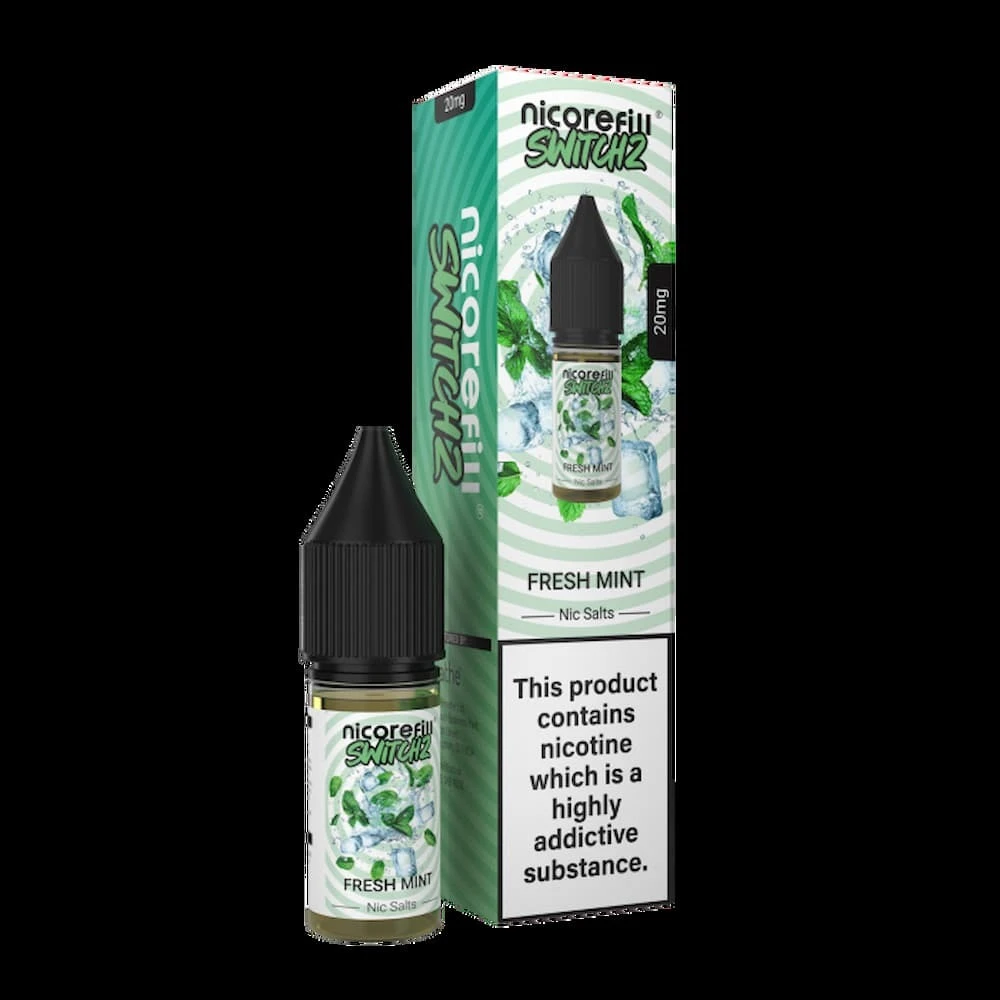
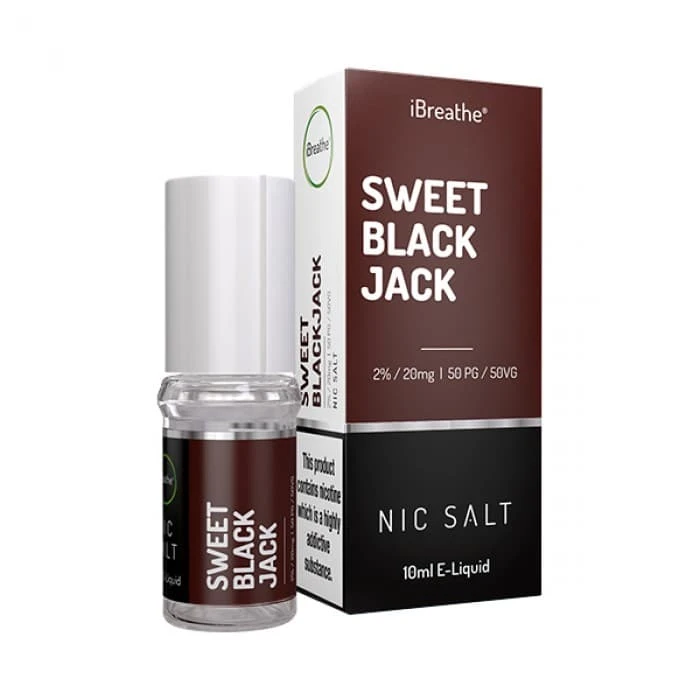
- Nicotine Salt E-liquids: These e-liquids use nicotine salts instead of freebase nicotine. They provide a smoother throat hit, making them ideal for users who prefer higher nicotine concentrations without the harshness.
- Freebase Nicotine E-liquids: This is the most common type of nicotine used in e-liquids. Freebase nicotine has a higher pH level, which can lead to a harsher throat hit, especially at higher concentrations.
- Shortfills: Shortfills are larger bottles of e-liquid (usually 50ml or 100ml) that come without nicotine. Users can add nicotine shots to achieve their desired strength. This option allows for greater customization and caters to those who prefer a higher volume of e-liquid.
- CBD E-liquids: With the growing interest in cannabidiol (CBD), many manufacturers are producing CBD-infused e-liquids. These products are designed for users seeking the potential therapeutic benefits of CBD without the psychoactive effects of THC.
- DIY E-liquids: For the more adventurous vapers, creating custom e-liquids at home has become popular. DIY kits are available, allowing users to mix their own base liquids, flavorings, and nicotine.
Popular Flavors of Legal E-liquids in the UK
One of the most appealing aspects of vaping is the wide range of flavors available. From traditional tobacco to exotic fruit blends, the flavor options are nearly limitless. Some popular choices include:
- Fruit Flavors: These are among the most popular, ranging from classic flavors like strawberry and apple to more unique blends like lychee and mixed berries.
- Dessert Flavors: For those with a sweet tooth, dessert flavors such as vanilla custard, chocolate cake, and crème brûlée offer a satisfying vaping experience.
- Menthol and Mint: Refreshing menthol and mint flavors provide a cool sensation, making them a popular choice for users looking for a crisp vaping experience.
- Tobacco Flavors: For those transitioning from traditional smoking, tobacco-flavored e-liquids can mimic the taste of cigarettes, providing a familiar sensation.
- Beverage Flavors: From coffee to cola, beverage-inspired flavors are gaining popularity as users seek to replicate their favorite drinks.
Safety Considerations When Using E-liquids
While e-liquids are generally considered safer than traditional tobacco products, there are still important safety considerations to be aware of:
- Proper Storage: E-liquids should be stored in a cool, dark place away from direct sunlight and out of reach of children and pets. This helps to maintain their quality and prevents accidental ingestion.
- Ingredient Awareness: Users should be aware of the ingredients in their e-liquids, especially if they have allergies or sensitivities to certain substances.
- Device Compatibility: Not all e-liquids are suitable for every vaping device. Users should ensure that their chosen e-liquids are compatible with their devices to avoid leaks or damage.
- Nicotine Levels: Users should choose nicotine levels that suit their preferences and experience levels. New users may want to start with lower concentrations to gauge their tolerance.
The Future of Legal E-liquids in the UK
The vaping landscape is continually evolving, and the future of legal e-liquids in the UK is likely to see further developments. Trends such as increased interest in CBD products, advancements in vaping technology, and a growing emphasis on sustainability may shape the industry in the coming years.
As regulations continue to adapt to the changing landscape, consumers can expect to see new products that prioritize safety, quality, and innovation. The increasing focus on health and wellness may also lead to the development of more natural and organic e-liquids, appealing to health-conscious users.
Conclusion
Understanding the intricacies of legal e-liquids in the UK is essential for anyone looking to explore the world of vaping. With strict regulations ensuring safety and a diverse array of flavors and types, users can find products that suit their preferences and needs. As the industry continues to evolve, staying informed will help consumers make educated choices.
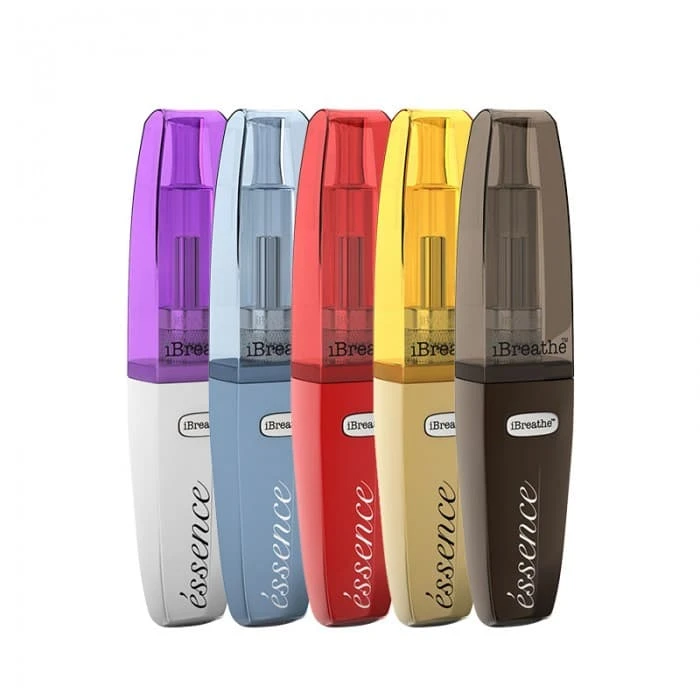
For those interested in exploring high-quality legal e-liquids in the UK, iBreathe offers a wide selection to cater to every vaping preference.
Ready to elevate your vaping experience? Visit iBreathe today and discover your perfect e-liquid!









Sign in to leave a comment.