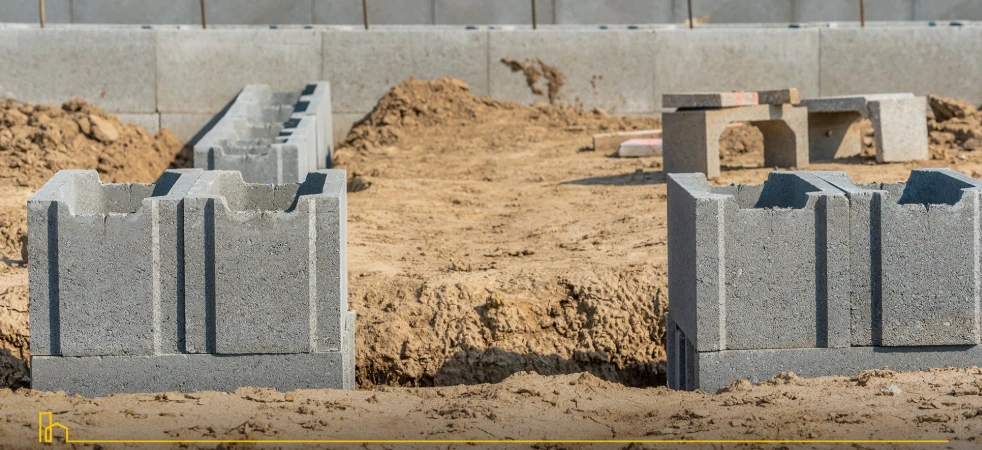

Your home’s stability begins beneath the surface. One of the most common types of foundations for older homes and certain regions is the pier and beam system. While this foundation style offers several advantages like accessibility and flexibility, it can also face structural issues over time. If ignored, these problems can lead to costly damage. That’s where pier and beam foundation repair comes in—a vital solution to ensure your home stays safe and strong for years to come.
What Is a Pier and Beam Foundation?
A pier and beam foundation consists of concrete piers or wooden posts driven into the ground to support the house. Beams rest on these piers and carry the weight of the structure. A crawl space is often found between the ground and the house’s floor. This setup provides good air circulation and easy access to plumbing or electrical systems. However, it also means more exposure to moisture and pests—two leading causes of foundation damage.
Signs Your Pier and Beam Foundation Needs Repair
Recognizing the early signs of damage can help prevent bigger issues down the road. Here are some things to watch out for:
- Uneven or Sagging Floors: This usually means the support beams are weakening or shifting.
- Cracks in Walls or Ceilings: These appear when the structure shifts or settles unevenly.
- Doors and Windows Sticking: If they don’t close properly, your home may be unlevel.
- Visible Gaps: Spaces between the floor and wall could indicate a sinking foundation.
- Moisture or Mold in Crawl Space: Poor drainage or wood rot often points to foundational concerns.
If you notice any of these issues, it might be time to consider pier and beam foundation repair.
Common Causes of Foundation Problems
Understanding what causes foundation damage can help you prevent future repairs. Here are a few common culprits:
Poor Drainage
Water pooling around the foundation can cause soil to shift, weakening the piers and beams over time.
Soil Movement
Expansive clay soils are known to swell with moisture and shrink during dry periods, leading to foundation instability.
Pest Damage
Termites and rodents can damage wooden piers and beams, compromising structural integrity.
Aging Materials
Over time, wooden beams rot and metal piers corrode, especially in older homes with little maintenance.
Tree Roots
Roots can grow beneath the home and displace soil or pier supports, leading to uneven floors and cracks.
How Pier and Beam Foundation Repair Works
Repairing this type of foundation typically involves several steps depending on the damage level. Here’s what to expect:
Inspection
Professionals first inspect the crawl space, beams, and piers to assess the extent of the damage.
Re-Leveling
Using hydraulic jacks, the home is gently lifted to its original level. New supports may be added for stability.
Pier Replacement
Damaged or rotted piers are replaced with stronger concrete or steel options.
Beam Reinforcement
Any weak or broken beams are repaired or replaced to restore the home’s structure.
Moisture Control
Proper drainage systems, vapor barriers, or sump pumps may be installed to prevent future damage.
Professional pier and beam foundation repair can take a few days to complete, depending on the severity of the problem.
Benefits of Timely Foundation Repair
Fixing foundation issues early isn’t just about saving money. It comes with long-term benefits:
- Increased Property Value: A solid foundation boosts resale value and buyer confidence.
- Better Energy Efficiency: Gaps and cracks can lead to heat loss and higher energy bills.
- Improved Home Safety: Structural damage can make your home unsafe to live in.
- Peace of Mind: Knowing your home is stable and secure brings comfort to homeowners.
- Pest Control: Repair often involves sealing crawl spaces, reducing pest infestations.
By addressing issues promptly, you reduce the need for frequent pier and beam foundation repair in the future.
Maintenance Tips to Prevent Damage
Taking care of your foundation doesn’t stop after repairs. Use these simple tips to keep your home’s structure strong:
- Install Gutters and Downspouts: Direct water away from the foundation.
- Grade Your Yard Properly: Ensure soil slopes away from your home.
- Check Crawl Spaces Regularly: Look for signs of moisture, mold, or pests.
- Keep Trees at a Distance: Avoid planting large trees too close to the house.
- Schedule Annual Inspections: A yearly checkup can help catch small issues early.
Regular care can extend the life of your foundation and reduce the need for future pier and beam foundation repair.
Frequently Asked Questions (FAQs)
Q1: How much does pier and beam foundation repair cost?
A: Costs vary based on the extent of the damage but typically range from $2,500 to $10,000.
Q2: Can I repair my foundation myself?
A: Foundation repair is complex and risky. It’s best to hire trained professionals for safety and quality.
Q3: How long does the repair process take?
A: Most repairs take 2 to 5 days, depending on the size of the home and the repair method used.
Q4: Is foundation repair covered by insurance?
A: Not usually. However, if the damage is caused by a covered event like a plumbing leak, it might be partially reimbursed.
Q5: Can foundation issues affect my home's resale value?
A: Yes, unresolved foundation problems can significantly lower a home’s market value and appeal.
Conclusion: Protect the Foundation of Your Home
Your home is only as strong as the foundation it stands on. Ignoring cracks, dips, or sticking doors might seem minor now but could lead to serious structural issues later. With early intervention and expert pier and beam foundation repair, you can maintain the value, safety, and comfort of your property. Always act sooner rather than later when you suspect foundation trouble.










Sign in to leave a comment.