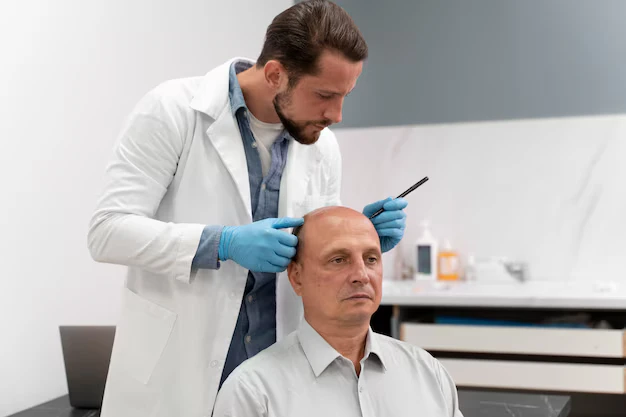

Hair loss can be a distressing experience for both men and women. While many treatments promise quick fixes, a hair transplant in Bristol offers a more permanent solution to thinning or balding hair. If you are considering a hair transplant in Bristol, it's essential to understand the procedure, the benefits, and the factors that can affect your decision. This guide covers everything you need to know before moving forward with a hair transplant.
Understanding Hair Transplants
Hair transplants are a form of surgery that involves moving hair follicles from one area of the scalp to another. The procedure aims to restore hair growth in areas that are thinning or balding. There are several techniques available, with the two most popular being Follicular Unit Transplantation (FUT) and Follicular Unit Extraction (FUE).
What is Follicular Unit Transplantation (FUT)?
FUT, also known as the strip method, involves removing a strip of skin from the back of the scalp, where hair is usually more abundant. The strip is then dissected under a microscope to isolate individual hair follicles. These follicles are then transplanted into the thinning or balding areas.
The main advantage of FUT is that it typically yields a larger number of hair follicles in one sitting. However, it does leave a linear scar at the donor site, which can be noticeable if the hair is cut very short.
What is Follicular Unit Extraction (FUE)?
FUE is a more modern technique where individual hair follicles are harvested directly from the donor area using a small, circular punch. These follicles are then transplanted into the recipient area. FUE has the advantage of leaving no linear scar, as there are only tiny puncture marks where the follicles are extracted.
FUE is often preferred for individuals who want to keep their hair very short, as it leaves minimal scarring. However, it may require more time in the operating chair and might not yield as many follicles in a single session compared to FUT.
Why Consider a Hair Transplant in Bristol?
Bristol has become a popular destination for hair restoration treatments due to its advanced medical facilities and experienced professionals. The city offers a range of clinics that specialize in hair transplants, using the latest technology and techniques to help individuals achieve natural-looking results.
High-Quality Medical Facilities
Bristol is home to a number of highly regarded medical centers that offer hair transplant procedures. These clinics are equipped with state-of-the-art technology and adhere to strict safety and hygiene standards, ensuring a safe and effective procedure.
Experienced Surgeons and Technicians
The city's reputation for excellent healthcare means that many hair transplant surgeons in Bristol are highly trained and experienced. They keep up-to-date with the latest advancements in hair restoration, ensuring that patients receive the best possible care and results.
Cost-Effective Options
While hair transplants can be a significant financial investment, many clinics in Bristol offer competitive pricing compared to those in larger cities like London. This makes Bristol an attractive option for individuals seeking high-quality hair restoration at a more affordable price.
What to Expect During a Hair Transplant Consultation
Before committing to a hair transplant, it's essential to attend a consultation with a qualified professional. This meeting will help you determine whether a hair transplant is the right option for you and provide insight into the procedure's details.
Initial Assessment
During the consultation, the surgeon will assess your hair loss pattern, scalp condition, and overall health. They will also discuss your goals and expectations to ensure that a hair transplant aligns with what you hope to achieve.
Choosing the Right Technique
Based on your specific needs, the surgeon will recommend the most suitable technique for your hair transplant. They will explain the pros and cons of each method, helping you make an informed decision.
Detailed Explanation of the Procedure
Your surgeon will walk you through the entire process, from the preparation stages to the recovery period. They will also inform you about potential risks, side effects, and post-operative care.
Cost Breakdown
Hair transplants can be a costly procedure, and it's essential to understand the financial aspect before committing. Your consultation will include a detailed breakdown of the costs involved, including surgeon's fees, facility charges, and any additional treatments you may need.
The Hair Transplant Procedure
The hair transplant procedure typically takes several hours, depending on the extent of the area being treated. The steps of the procedure can vary slightly depending on the technique used, but the following provides an overview of what to expect during a typical hair transplant.
Local Anesthesia
Before the procedure begins, the surgeon will administer local anesthesia to numb the scalp. This ensures that the procedure is as comfortable as possible and that the patient experiences minimal discomfort.
Harvesting the Hair Follicles
For FUT, the surgeon will remove a strip of tissue from the donor area, while for FUE, individual follicles are extracted one by one. In both cases, the surgeon uses specialized instruments to minimize trauma to the surrounding tissue.
Preparing the Recipient Area
Once the follicles are harvested, the surgeon will prepare the recipient area by making small incisions in the scalp. These incisions will serve as the sites where the new hair follicles will be placed.
Implanting the Follicles
The hair follicles are then carefully implanted into the recipient area. The surgeon pays close attention to the angle and direction of the follicles to ensure that the new hair blends seamlessly with the natural hairline.
Post-Operative Care
After the procedure, you will be given specific instructions on how to care for your scalp during the recovery process. This may include guidelines on washing your hair, avoiding strenuous activities, and taking prescribed medications.
Recovery and Aftercare
While hair transplant procedures are generally safe, it's important to follow proper aftercare instructions to ensure the best results and avoid complications.
Immediate Post-Op Care
In the first few days following the procedure, you may experience some swelling, redness, and tenderness around the transplant site. This is normal and should subside within a few days. You will be advised to avoid touching or scratching the scalp to prevent infection.
Hair Shedding and Growth
It's common for the transplanted hair to fall out within the first few weeks after surgery. This is a temporary phase, and new hair growth should begin within three to six months. Full results can take up to a year to become visible.
Long-Term Care
Once your hair starts to grow back, maintaining a healthy scalp is essential to support optimal hair growth. Your surgeon may recommend certain shampoos, conditioners, and lifestyle changes to help sustain the transplanted hair.
Potential Risks and Complications
As with any surgical procedure, hair transplants come with some potential risks and complications. While the procedure is generally safe, it's important to be aware of possible side effects, including:
- Infection at the donor or recipient site
- Scarring (more common with FUT)
- Unnatural-looking results if the technique is not properly executed
- Shock loss, where some of the transplanted hair falls out temporarily
Your surgeon will discuss these risks in detail during your consultation and take steps to minimize them during the procedure.
Cost of a Hair Transplant in Bristol
The cost of a hair transplant in Bristol can vary depending on several factors, such as the method used, the number of grafts required, and the clinic's reputation. On average, patients can expect to pay between £3,000 and £10,000 for a full hair transplant procedure.
While the initial cost may seem high, it's important to consider that hair transplants offer a long-term solution, reducing the need for ongoing treatments or products to manage hair loss.
Is a Hair Transplant Right for You?
A hair transplant can be an excellent option for individuals who have experienced significant hair loss and are looking for a permanent solution. However, it's not suitable for everyone. Candidates for a hair transplant should have:
- A stable pattern of hair loss
- Sufficient donor hair in the back or sides of the scalp
- Realistic expectations about the results
Before making a decision, it's essential to consult with a qualified surgeon to determine whether you are a good candidate for the procedure.
Conclusion
Getting a hair transplant in Bristol offers a permanent and effective solution for those dealing with hair loss. By understanding the procedure, benefits, risks, and costs, you can make an informed decision about whether it's the right choice for you. To ensure the best results, it's important to choose a reputable clinic with experienced professionals who can guide you through every step of the process.












Sign in to leave a comment.