

Hand pain is a common complaint that can affect people of all ages and lifestyles. Whether caused by injury, arthritis, repetitive strain, or other conditions, hand discomfort can interfere with everyday activities such as writing, typing, cooking, or even holding objects. Fortunately, physiotherapy offers effective solutions to manage hand pain and improve grip strength, which plays a vital role in hand function.
In Edmonton, clinics like Next Step Physiotherapy provide personalized treatment plans that include targeted exercises designed to restore strength, flexibility, and reduce pain. This article explores why grip strength matters, common causes of hand pain, and practical exercises that can be incorporated into your routine as part of a physiotherapy program.
Understanding the Importance of Grip Strength
Grip strength refers to the force generated by the muscles in your hand and forearm to grasp or hold objects. It is essential for daily tasks such as opening jars, carrying bags, using tools, and more. Weak grip strength can limit these activities and contribute to frustration or reduced independence.
Several factors can affect grip strength, including:
- Muscle weakness due to injury or disuse
- Joint stiffness from arthritis or other conditions
- Nerve compression (e.g., carpal tunnel syndrome)
- Pain that limits movement
Improving grip strength through physiotherapy exercises helps not only to reduce pain but also to increase hand function and overall quality of life.
Common Causes of Hand Pain Treated by Physiotherapists in Edmonton
Before beginning exercises, it is important to understand the possible causes of hand pain. Some common reasons include:
- Arthritis: Osteoarthritis or rheumatoid arthritis can cause joint inflammation, stiffness, and pain.
- Carpal Tunnel Syndrome: Compression of the median nerve at the wrist leading to numbness, tingling, and weakness.
- Tendonitis: Inflammation of the tendons around the hand and wrist due to overuse.
- Injuries: Sprains, fractures, or soft tissue injuries affecting hand function.
- Repetitive Strain Injuries: Caused by repetitive motions or prolonged hand use in certain activities or occupations.
Physiotherapists at Next Step Physiotherapy in Edmonton perform comprehensive assessments to identify the cause of hand pain and develop an individualized treatment plan, which often includes exercises to improve grip strength.
How Physiotherapy Helps with Hand Pain and Grip Strength
Physiotherapy plays a critical role in managing hand pain and restoring strength through:
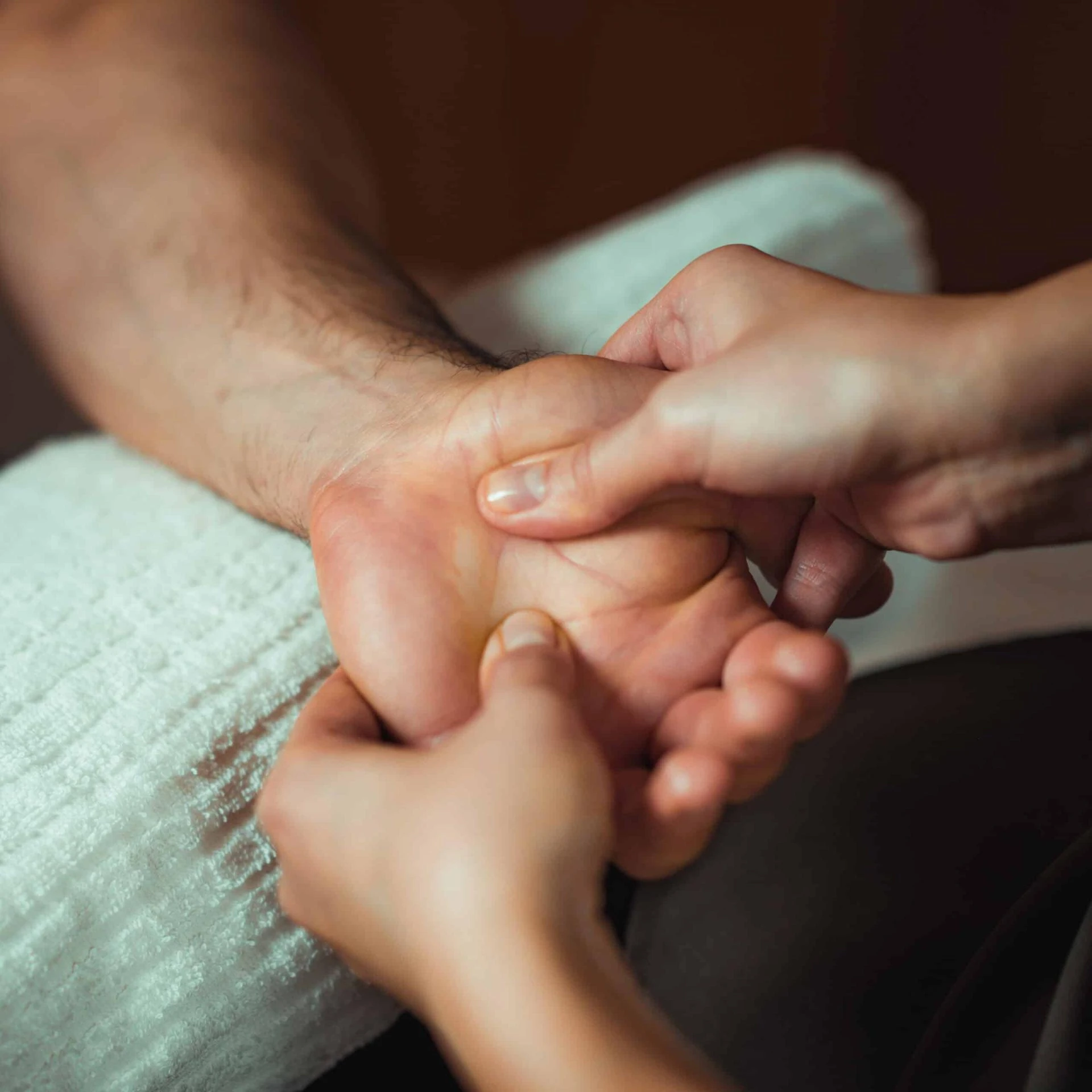
- Manual therapy to reduce pain and improve joint mobility
- Targeted exercises to strengthen muscles and improve flexibility
- Education on ergonomic practices and activity modifications
- Use of assistive devices or splints if needed
Exercises prescribed by physiotherapists are designed to be safe and progressive, ensuring steady improvement without aggravating symptoms.
Effective Exercises to Improve Grip Strength and Reduce Hand Pain
The following exercises are commonly recommended as part of hand pain physiotherapy in Edmonton. It is important to perform them gently and stop if pain worsens. Always consult your physiotherapist before starting a new exercise routine.
1. Squeeze Ball Exercise
Purpose: Strengthens the muscles involved in gripping.
How to Do It:
- Hold a soft rubber ball or stress ball in your palm.
- Squeeze the ball as hard as comfortable and hold for 5 seconds.
- Release slowly.
- Repeat 10–15 times for 2–3 sets daily.
This exercise helps build overall grip strength and can be done almost anywhere.
2. Finger Extensions with Rubber Band
Purpose: Strengthens the extensor muscles on the back of the hand.
How to Do It:
- Place a rubber band around your fingers and thumb.
- Open your fingers outward against the resistance of the band.
- Hold for 5 seconds and slowly close your fingers.
- Repeat 10–15 times for 2–3 sets.
This exercise balances muscle strength by targeting finger extension, often weakened by repetitive gripping.
3. Thumb Opposition
Purpose: Improves thumb flexibility and strength, essential for gripping and pinching.
How to Do It:
- Touch the tip of your thumb to the tip of each finger, one at a time, forming an “O” shape.
- Hold each touch for 3–5 seconds.
- Repeat 10 times on each hand.
This movement helps restore fine motor control important for precise tasks.
4. Wrist Flexion and Extension
Purpose: Strengthens wrist muscles supporting hand function.
How to Do It:
- Rest your forearm on a table with your hand hanging off the edge, palm facing down.
- Slowly raise your hand upwards (wrist extension) and hold for 3 seconds.
- Lower back down and then slowly move your hand downward (wrist flexion).
- Repeat 10–15 times for 2–3 sets.
This exercise improves wrist stability which contributes to effective grip.
5. Pinch Strengthening with Clothespin
Purpose: Targets pinch grip muscles critical for holding small objects.
How to Do It:
- Use a clothespin or spring-loaded clip.
- Squeeze the clothespin between your thumb and index finger.
- Hold for 5 seconds and release.
- Repeat 10–15 times for 2–3 sets.
This simple tool helps strengthen pinch grip in a controlled way.
6. Finger Lifts
Purpose: Improves finger strength and dexterity.
How to Do It:
- Place your hand flat on a table, palm down.
- Slowly lift one finger at a time off the table as high as possible without pain.
- Hold for 2–3 seconds and lower it down.
- Repeat 10 times for each finger.
This exercise helps regain individual finger control, especially useful after injury or surgery.
Tips for Maximizing Benefits from Hand Exercises
- Consistency: Perform exercises regularly as advised by your physiotherapist.
- Progress Gradually: Start with fewer repetitions or resistance and increase slowly over weeks.
- Avoid Pain: Mild discomfort is normal, but sharp pain signals the need to stop or modify the exercise.
- Use Warmth: Applying heat before exercises can relax muscles and improve flexibility.
- Maintain Good Posture: Proper wrist and arm positioning reduces undue strain.
When to Consult Next Step Physiotherapy in Edmonton
If hand pain limits your daily activities or is accompanied by numbness, swelling, or persistent weakness, seeking professional physiotherapy is important. The experienced team at Next Step Physiotherapy offers thorough assessments and personalized rehabilitation programs designed to address your specific condition.
They combine manual therapy, exercise prescription, and patient education to promote healing and help you regain hand function and strength.
Conclusion
Hand pain can significantly affect quality of life, but with appropriate physiotherapy exercises, grip strength can be improved and discomfort reduced. Exercises such as squeezing a ball, finger extensions, and wrist movements are practical ways to start building strength and flexibility safely.
Clinics like Next Step Physiotherapy in Edmonton provide expert guidance to ensure exercises are tailored to your needs and performed correctly. With patience and consistency, you can restore hand function and enjoy greater ease in everyday tasks.
If you are experiencing hand pain or weakness, consulting a physiotherapist can be the first step toward recovery and improved hand health.












Sign in to leave a comment.